The friends-with-benefits trope is the romance subgenre that knows exactly what it is. Two adults agree, in writing or in some equivalent of writing, that this thing is going to be a thing without being that thing. Sex without expectations. Pleasure without paperwork. A standing arrangement to scratch an itch and keep your respective lives professionally segmented from the part of you that has needs. The premise is honest. The premise is reasonable. The premise is doomed.
FwB romance is built on the gap between what the characters tell each other in chapter two and what they realize in chapter eighteen. The first conversation is always some version of “we’re both adults, neither of us wants a relationship, let’s just see each other twice a week and not make this complicated.” The last conversation is always some version of “I’ve been in love with you since the second week and I am terrified to say it out loud.” Everything in between is a 300-page exercise in two people pretending the rules they wrote are working while their internal monologues are openly mutinying.
This is the comprehensive guide to friends-with-benefits romance books in 2026 — gateway comps that codified the trope plus a deep KU shelf for readers who want the no-feelings pact at full heat. Workplace FwB. Roommate FwB. Throuple firefighter FwB. The “stress relief only” sapphic pact. No closed-door novellas. Just the slow architectural collapse of two people who said “no feelings” out loud and then proceeded to develop very, very loud feelings.
The FwB-Catches-Feelings Spectrum — What You’re Actually Reading
The FwB trope splinters by what kind of rule the characters wrote and how that rule is structured to fail:
The “We Have Rules” variant: Explicit, written, sometimes literally numbered. Rule one: no feelings. Rule two: no sleepovers. Rule three: see rule one. The rules are the engine — every chapter is a rule getting bent, then broken, then quietly retired.
The “It’s Just Sex” variant: Less formal, more aspirational. The characters didn’t sit down and write a contract; they just told themselves, casually, that this was casual. The catching-of-feelings is mostly internal, which means the betrayal of the original premise is mostly between the character and the version of themselves that thought they could pull this off.
The “We’re Just Friends” variant: The pact happens between two people who are already deeply embedded in each other’s lives, which means the “benefits” are a renegotiation of an existing relationship rather than a new one. Higher emotional stakes because there’s an actual friendship to lose.
The “Professional Only” variant: Workplace FwB. The rule is “this stays at the office.” The conflict is that the office is where they spend most of their waking hours, and the rule keeps creeping out of the conference room and into the parts of life that aren’t supposed to be touched.
The “Strangers, Then Friends, Then Benefits” variant: The opposite trajectory. They started as a hookup, became friends through accident or proximity, and the FwB designation is something they invented retroactively to keep doing what they were doing. The friendship is the load-bearing wall.
The Books That Built the FwB-Catches-Feelings Trope
The trope didn’t appear from nowhere. Four contemporary romances codified the architecture — the rule structure, the workplace variant, the friends-first variant, the small-town variant — and every FwB book published since lives in some kind of conversation with one of them.
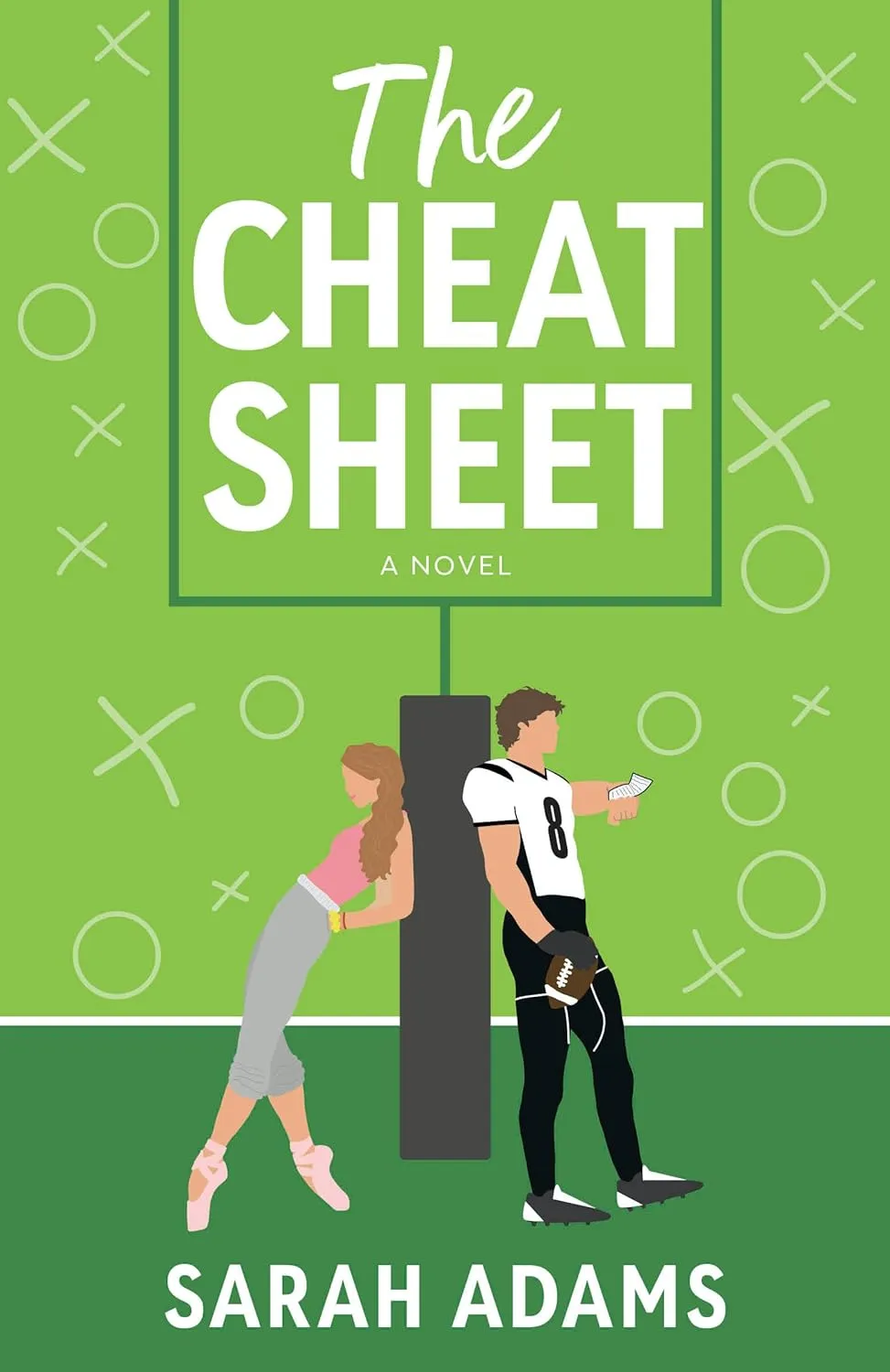
The friendship-rules variant at its purest. Bree Cox has been in love with her best friend Nathan Donelson — yes, that Nathan Donelson, the NFL quarterback — since they were teenagers, and she has spent her entire adult life hiding it behind a careful wall of friendship rules. When a leaked photo forces them into a fake-dating arrangement to save his image, every rule she built starts collapsing. Adams writes the slow-burn rules-into-feelings variant with full conviction — the years of repressed friendship architecture are real, the tension on every “let me practice this kiss for the cameras” page is real, and the moment Nathan finally drops the friendship pretense lands with the force the build-up earns. The closest gateway comp to the FwB-catches-feelings emotional arc, even though the formal pact is fake-dating rather than benefits.
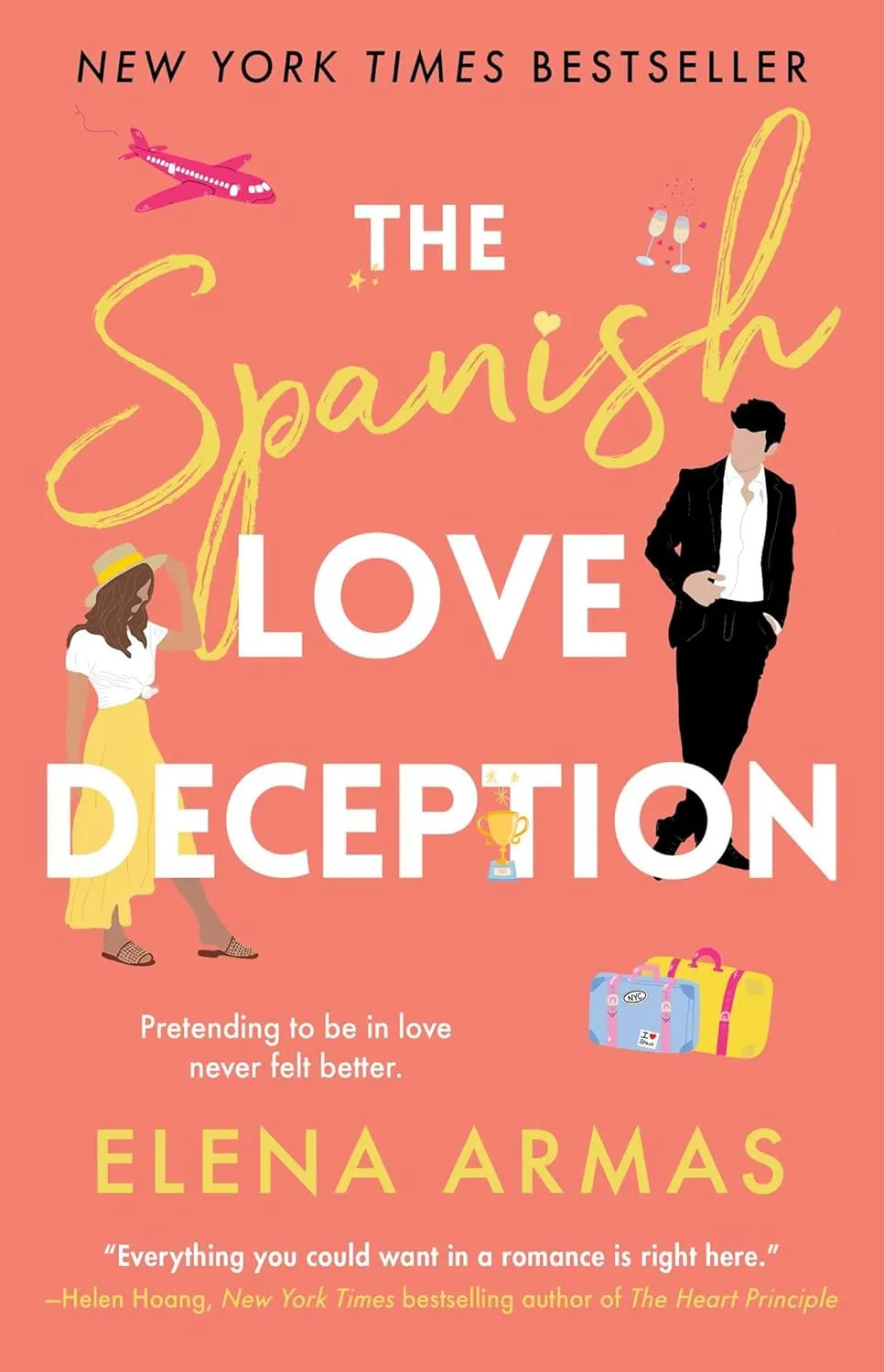
The workplace-rules variant. Catalina needs a fake fiancé for her sister’s wedding in Spain, and her insufferable American coworker Aaron Blackford somehow ends up on the plane. The “we are doing this professionally and nothing else” framing is identical to the FwB rule architecture — they tell each other and themselves that this performance has clean professional edges, and every sustained chapter of pretending erodes the edge a little more. Armas understands that fake-dating only works when both characters are real, and Aaron is one of the great unspoken-pining heroes of contemporary romance — a man who has been quietly catching feelings for three years before the book opens. The FwB-catches-feelings emotional engine in fake-dating wrapping paper.
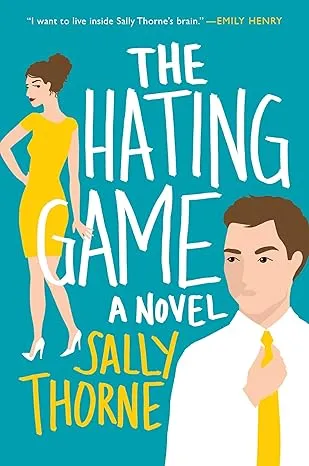
The professional-only variant where the “no feelings” rule isn’t FwB but mutual loathing. Joshua Templeman is six-foot-four of corporate hostility — punctual, immaculate, contemptuous, and locked in two years of mutual loathing with Lucy Hutton across the desk from him. The structural function is the same as a FwB pact: there’s a rule about what this is (we are professional adversaries, nothing else), and the entire book is the rule getting bent every time they’re in an elevator together. Thorne’s gift is the inner monologue — Lucy’s running tally of Joshua’s crimes is its own slow-burn architecture, and the inversion lands like a building collapsing. Closed-door but the chemistry is unimpeachable.
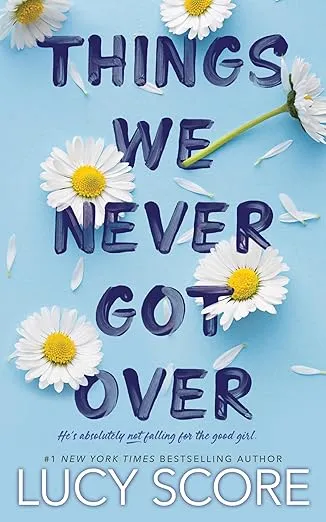
The “I don’t do feelings” variant — a stated rule that is not formally FwB but functions identically. Knox Morgan is a bearded, surly, motorcycle-riding bar owner whose entire personality is “I do not catch feelings, I do not get involved, I sleep with women in other towns and that is the extent of my emotional architecture.” Then Naomi crashes through his life with a chaos-magnet niece in tow, and the rule he’s built his entire adult life around starts coming apart in real time. Score writes the small-town no-feelings variant with full conviction — Knox’s rule has a real backstory, Naomi’s refusal to ask anything of him has a real cost, and the slow recognition on his part that he’s been in love since the second chapter is paced beautifully across 600+ pages. Higher heat than the workplace comps.
If The Cheat Sheet Was Your Gateway — The KU FwB Shelf
The comp titles above are the foundation. But three of the four are closed-door or moderate heat, and the FwB framing is mostly emotional rather than literal. If you want the actual rule architecture — the “no feelings” pact written down, the conference-room hookup with a Saturday auto-reply, the throuple firefighter arrangement that started as two casual hookups, the “stress relief only” sapphic pact between roommates — the Kindle Unlimited shelf below is built for you. Six titles across MM, FF, MF, and MMM. All free with KU.
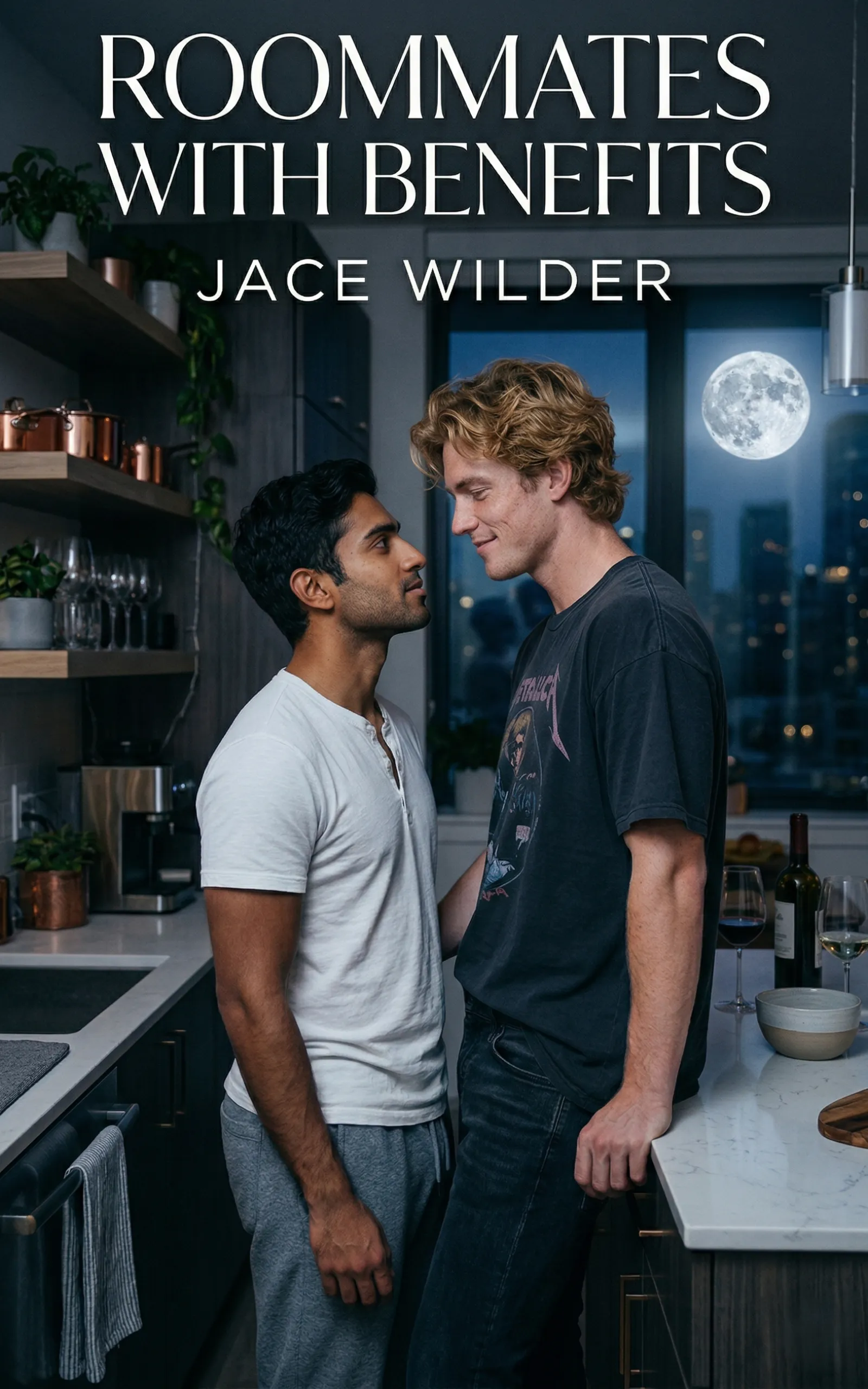
Roommates with Benefits by Jace Wilder — MM Roommate FwB, Numbered Rules
MM | Roommates to Lovers | Friends with Benefits | Forced Proximity | Opposites Attract | Praise Kink | Competence Kink | He Falls First | Touch Starved | Control/Surrender | 5/5 Heat 🌶️🌶️🌶️🌶️🌶️
The platonic ideal of the numbered-rules variant. Ryan Patel is a meticulous IT infrastructure specialist who runs his life the way he runs his servers — with absolute control, zero downtime, and a label maker for every surface. When his rent skyrockets, he posts a roommate ad so precisely worded it could double as a systems specification. Jasper is the chaotic creative who answers it. Rule #1: No feelings. Rule #2: See Rule #1. Wilder writes the FwB-with-actual-rules variant with full conviction — the rules are written down, taped to the fridge, referenced verbatim during conversations, and quietly violated one at a time over 105,000 words. The label maker becomes a recurring engine of comedy. The competence kink layer is foundational. Inferno-level heat once Rule #1 falls.
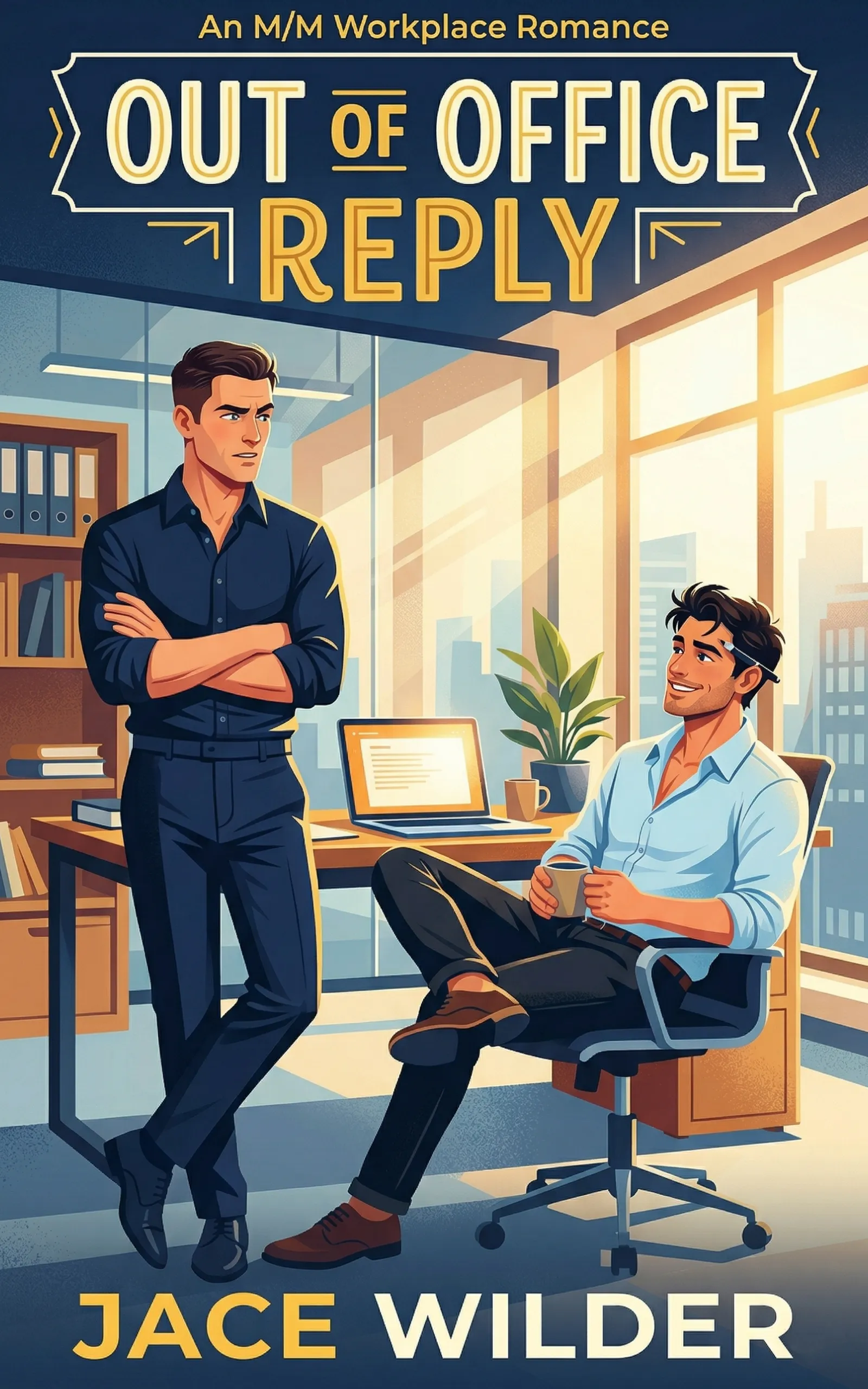
Out of Office Reply by Jace Wilder — MM Workplace FwB, Auto-Reply Rule
MM | Office Romance | Friends with Benefits | Forced Proximity | Mutual Pining | Secret Relationship | One Bed | Grumpy/Sunshine | Touch Starved | He Falls First | Slow Burn | Competence Kink | Control/Surrender | 5/5 Heat 🌶️🌶️🌶️🌶️🌶️
The workplace-only variant at full saturation. Adrian Vale is the Operations Director who runs the office like a machine — precise, controlled, untouchable. He keeps his relationships professional, his emotions compartmentalized, and his personal phone programmed to auto-reply on Saturdays so the man he sleeps with twice a week can’t reach him outside of business hours. Eight months later, neither of them can log off. Wilder writes the office-FwB variant with the kind of structural discipline the trope demands — the auto-reply itself becomes the engine, every Saturday it fails to fire is a quiet rule break, and the slow recognition that Adrian has been writing the rules to keep himself out of his own life is paced with care. The competence kink layer is foundational.
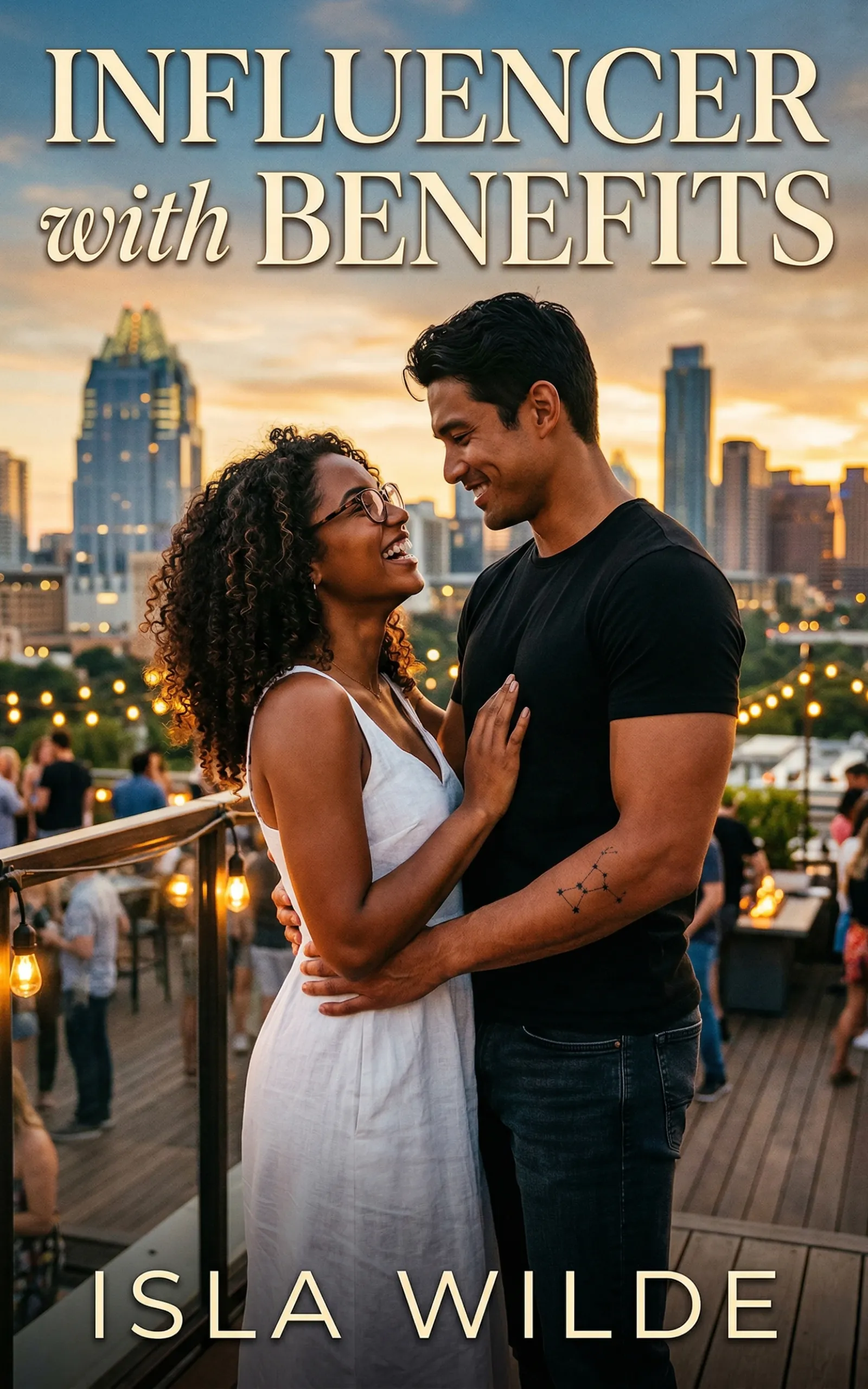
Influencer With Benefits by Isla Wilde — MF Collab FwB, Professional Pact
MF | Collab to Lovers | Forced Proximity | FWB to More | Opposites Attract | He Falls First | Slow Burn | Praise Kink | Secret Relationship | Touch Her and Die | 4/5 Heat 🌶️🌶️🌶️🌶️
The professional-only variant with internet stakes. Jordan Lee runs a small but devoted “soft girl reads” Instagram — 180,000 followers who trust her for book recommendations, mental-health check-ins, and the kind of radical vulnerability that makes them feel like she’s their actual friend. Then a brand pairs her with the internet’s favorite thirst trap for a six-week sponsored collaboration, and the only rule is: keep it professional. They break that rule on night three. Wilde writes the influencer-FwB variant with full conviction — the parasocial economics are real, the “we are both grown professionals here” framing is real, and the slow recognition that Jordan is going to have to choose between the version of herself her audience knows and the version of herself she’s becoming with him is paced beautifully.
The sapphic stress-relief variant. Two women at a dumpster-fire startup make a “stress relief only” pact. The sex is incredible. The feelings are inconvenient. The Slack DMs are unhinged. Maya Rao is a control freak with perfect wireframes and an apartment so clean it has an energetic alarm. She left a prestigious design agency for a chaotic startup because she wanted to build something that was hers — and she’s watching it implode in real time. The pact starts as crisis management. Aurora North writes the FF-FwB variant with the structural patience the trope demands — the startup is real, the workplace pressure is real, and the slow recognition that the “stress relief” was supposed to be the relief and is somehow the only thing keeping either of them sane is paced with care. Inferno heat once the pact rules start eroding.
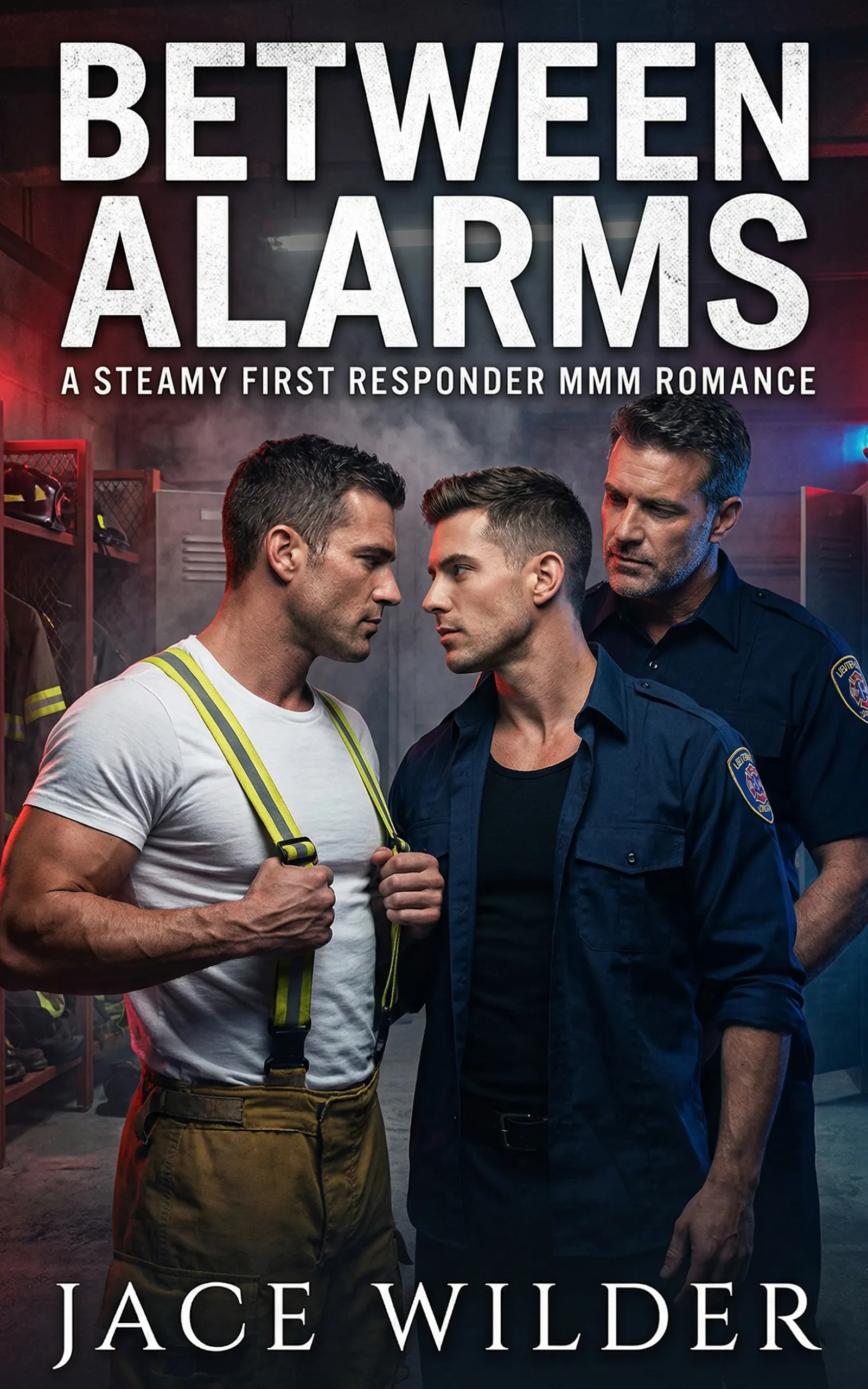
Between Alarms by Jace Wilder — MMM Throuple Firefighter FwB
MMM | Throuple | Firefighter | Friends with Benefits to Lovers | Forced Proximity | Hurt/Comfort | Grumpy/Sunshine | Slow Burn | Found Family | Praise Kink | Only Soft For You | 5/5 Heat 🌶️🌶️🌶️🌶️🌶️
The throuple variant. Hayden Cross is the firefighter who goes in first and comes out last. He doesn’t stay the night. He doesn’t talk about feelings. He puts his pants on before the sweat dries and walks out the door, because leaving first means no one can leave him. Two casual hookups that were supposed to be casual. One paramedic who sees everything. Wilder writes the firefighter-FwB-throuple variant with full conviction — the firehouse architecture is real, the “we keep this between alarms” rule is the engine, and the slow shift from two parallel hookups to a three-person bond forged in the spaces between emergencies is paced with care. Inferno heat. Strong hurt/comfort layer.
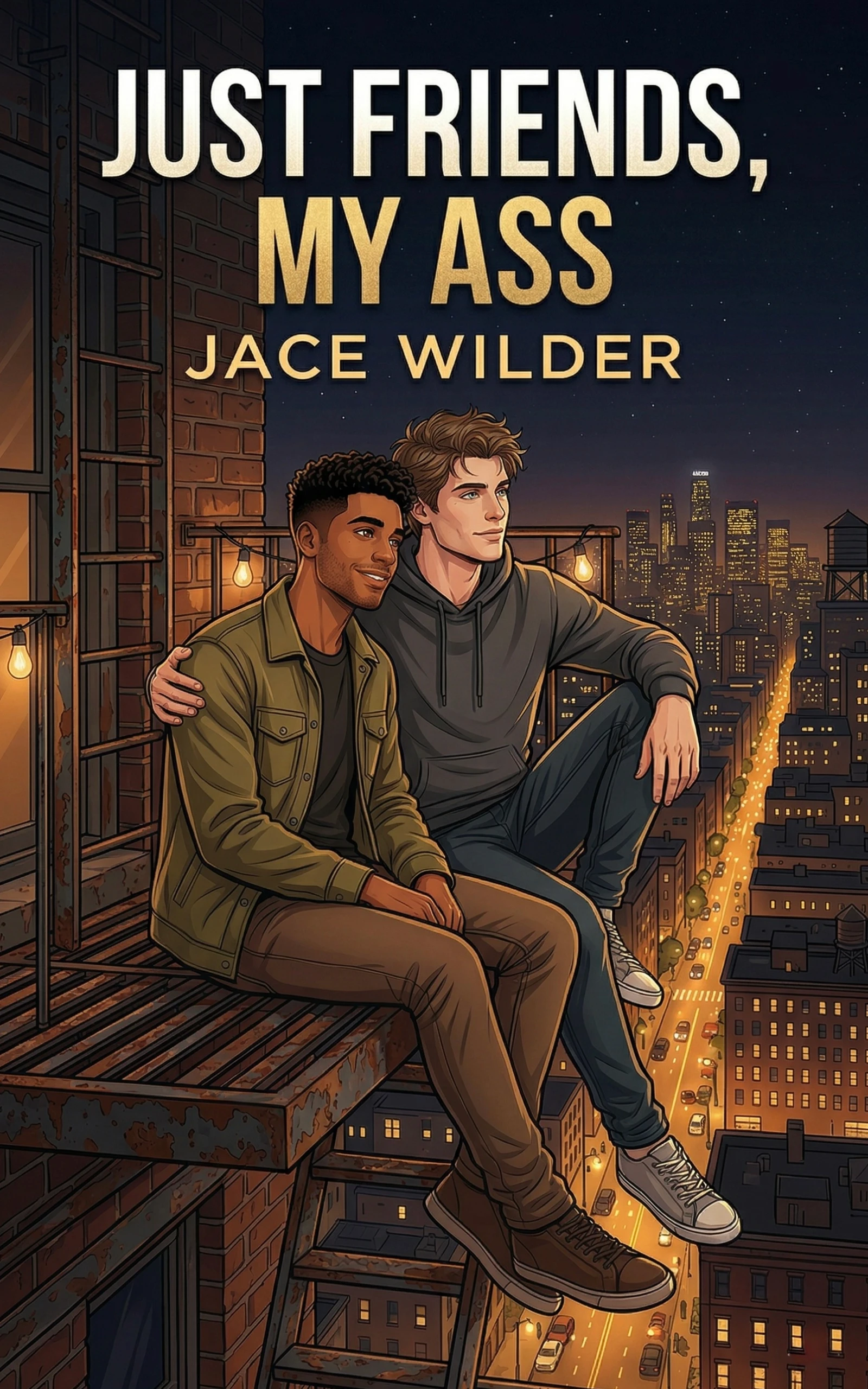
Just Friends, My Ass by Jace Wilder — MM Friends-First, Catches Feelings
MM | Friends to Lovers | Roommates | Mutual Pining | Praise Kink | One Bed | Touch Starved | Slow Burn | D/s Dynamic | 5/5 Heat 🌶️🌶️🌶️🌶️🌶️
The friends-first cousin variant. Alex Morgan has been in love with his best friend since high school. He’s never said a word. Instead, he’s spent thirteen years drawing Jamie’s face in secret sketchbooks, making his coffee exactly right, and perfecting the art of wanting someone from twelve inches away. Not a strict FwB book — but the same emotional engine. The pact is the friendship. The “no feelings” version of it is unstated; Alex never said anything because saying anything would risk what they have. Wilder writes the longest-running pining variant in the catalog — thirteen years of micro-architecture that the reader feels in every chapter. The closest the catalog gets to a slow-burn book where the slow IS the burn.
Why FwB Catches Feelings Hits — The Trope Mechanics
FwB romance works because the rule the characters wrote is structurally guaranteed to fail, and every reader knows it from page one. The contract is the engine. Two people sit down and tell each other, with full faces and sustained eye contact, that they will be having sex twice a week and not having any feelings about it whatsoever. The reader, who has read books before, immediately understands that this rule has been written specifically so it can be broken in chapter sixteen. The pleasure of the trope is watching the rule get tested in increasingly small ways until the test is no longer survivable.
The honesty is the architecture. FwB is one of the few romance tropes where the characters openly acknowledge upfront that they want each other physically. There’s no “we hate each other” misdirection, no “I’m not interested in him” denial, no fake-dating cover story. The physical attraction is established and named. What the trope does is split that attraction from emotional attachment and ask the reader to sit through 250 pages of the characters trying to keep them split. The split fails because it’s structurally impossible. The split was always going to fail. The question is which character notices first and which character keeps insisting the rule still holds.
The asymmetry matters. The best FwB books have one character who falls first — quietly, internally, often without admitting it to themselves — while the other character continues to operate as if the original arrangement is still intact. The asymmetry creates the pining. The pining creates the tension. The tension creates the chapters. When the asymmetry resolves — when the second character finally understands that the first one has been in love for ages and was just waiting — the resolution lands harder than almost any other trope can deliver.
The rule break is the climax, structurally. The first kiss isn’t the high point of an FwB book. The high point is the moment one of the characters finally says the thing they’ve been forbidden from saying — the moment one of them admits, out loud, to themselves and to the other person, that the rule is broken and has been broken and was never going to hold. Everything in the book builds toward that moment of articulation. The sex was the easy part. The honesty is the achievement.
What separates a great FwB romance from a mediocre one isn’t the rule architecture — it’s whether the writer has earned the moment the rule breaks. The bad version of the trope sets up the no-feelings pact in chapter two and abandons it by chapter five, with the rule never actually doing the work of resistance. The good version makes the rule load-bearing — the characters genuinely try to keep it, the rule genuinely seems to be working for several chapters, and the breakage, when it comes, is the result of a thousand tiny defeats accumulating into something neither of them can un-feel. By the time the rule falls, the reader has watched it fall in slow motion across the entire book.
Frequently Asked Questions
What’s the difference between friends-with-benefits and friends-to-lovers?
Friends-to-lovers is the relationship arc — two characters who start as platonic friends become romantic partners, usually with no formal sexual arrangement in between. Friends-with-benefits is a specific subgenre of that arc where the platonic friendship has been augmented by a sexual arrangement that both characters have explicitly agreed will not become romantic. The FwB-catches-feelings version is the failure mode of that agreement. Just Friends, My Ass is friends-to-lovers without a formal pact. Roommates with Benefits is FwB with a formal numbered pact. Same emotional engine, different structural setups.
Best friends-with-benefits romance books on Kindle Unlimited?
The strongest FwB-catches-feelings catalog on KU right now: Roommates with Benefits (MM, numbered-rules variant), Out of Office Reply (MM, workplace auto-reply variant), Influencer With Benefits (MF, professional collaboration), Soft Launch (FF, “stress relief only” pact), Between Alarms (MMM, throuple firefighter), and Just Friends, My Ass (MM, friends-first slow burn). All free with Kindle Unlimited and all higher heat than the trad-pub gateway titles.
Books like The Cheat Sheet with explicit FwB content?
The Cheat Sheet is closed-door — the friendship-rules architecture is unimpeachable but the heat caps at moderate. For the same setup with explicit content: Just Friends, My Ass by Jace Wilder (MM, thirteen years of friendship-rules pining), Influencer With Benefits by Isla Wilde (MF, collaboration becomes more), and Soft Launch by Aurora North (FF, sapphic stress-relief pact). All deliver the friendship-becomes-something-else emotional engine with the heat the original kept off-page.
Best MM FwB romance books?
For MM specifically, FwB is one of the strongest niches in the catalog: Roommates with Benefits (numbered-rules roommate variant), Out of Office Reply (workplace auto-reply variant), Between Alarms (MMM throuple firefighter), and Just Friends, My Ass (friends-first thirteen-year burn). All free with KU and all 5/5 heat.
Best sapphic FwB romance books?
For FF specifically: Soft Launch by Aurora North is the standout — a “stress relief only” pact between two women at an imploding startup, with the FwB rules getting tested across every chapter and the workplace pressure adding a real cost to the eventual rule break. Inferno heat with structural patience.
Why is friends-with-benefits such a popular romance trope?
FwB works because it externalizes the fantasy of a relationship that gives you everything physically without asking anything emotionally — and then forces both characters to confront the fact that the emotional ask is unavoidable. The reader gets the satisfaction of watching two people negotiate boundaries openly, then watching those boundaries become honest by failing. It’s the trope of being seen so thoroughly that the rule you wrote to protect yourself from being seen becomes the thing you can’t keep. The pleasure is in the inevitability. You knew the rule wouldn’t hold. The characters knew the rule wouldn’t hold. The book is the slow architecture of the rule not holding.
As an Amazon Associate, Fractal Enigma LLC earns from qualifying purchases at no extra cost to you.
Never miss a release — join the newsletter for new books, exclusive bonus chapters, and reader-only giveaways. 🔥
Ten queer romances for We Could Be So Good readers who want historical New York, reporters, friends to lovers, chosen family, secret domesticity, caretaking and hard-won hope.
The newest MM romance worth starting in 2026 — fresh indie Kindle Unlimited releases across hockey, firefighter, and emotional MM, with the full best-of-2026 map for the complete picture. Free with Kindle Unlimited.
Finished Deep End by Ali Hazelwood and need more college sports romance with kink negotiation, praise, and quiet dominance? 5 trad-pub comps plus 5 indie KU power-exchange reads from Fractal Enigma at the inferno register.
The best friends-to-lovers romance books for 2026 across MM, FF, and MF — where the friendship is the load-bearing wall, the years of history are the stakes, and the slow burn earns every page. Trad-pub gateways plus indie Kindle Unlimited picks for each pairing.
The best bi-awakening romances—first same-gender attraction, identity questions, patient partners, honest discovery, and love stories where self-understanding becomes part of the slow burn.