
Best Touch Starved Romance Books 2026 — When the Body Remembers What It Was Made For
Touch starved romance is the trope where the protagonist’s body has forgotten what wanted contact is supposed to feel like. Three years since anyone has held their hand. Seven years since anyone has put a palm flat against their shoulder blade without an agenda. A decade since they have been touched without flinching. The character has constructed an entire life around the careful management of distance — the apartment that no one visits, the schedule that prevents collisions, the body language that tells everyone within fifteen feet to keep moving. And then the person who walks through every one of those defenses without noticing they were walls is structurally already past every system the protagonist has built.
The trope works because it puts the entire architectural pressure of the romance inside the protagonist’s body. Other tropes externalize the obstacle. Touch starved internalizes it down to nervous-system level: the careful management of a body that has been told “don’t want this” for so long it has structurally forgotten how. When the touch finally lands — the hand on the back of a neck, the palm flat against a sternum, the fingers brushing a temple in a way no one has done in a decade — the protagonist’s entire physical architecture reorganizes around the recognition. The body remembers what it was made for. The slow burn earns the embodied combustion.
Below: four trad-pub gateway comps plus six indie Kindle Unlimited titles across MM and FF where the touch starvation is real, the protagonist’s careful isolation is structurally specific, and the on-page heat earns every embodied recognition. All featured below run Inferno-tier on-page heat. All free with Kindle Unlimited.

Boyfriend Material — Alexis Hall
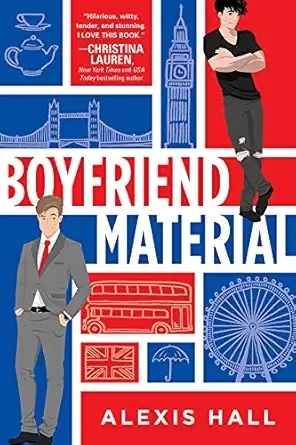
The gateway architectural cousin. Boyfriend Material isn’t strict touch starved — Luc has a complicated relationship with intimacy rather than a depleted one — but Oliver Blackwood is one of trad-pub MM’s most precisely-written touch-starved heroes. Oliver’s careful, controlled, professionally-managed exterior is the structural cover for a man who has built his entire adult life around never letting anyone close enough to disappoint him. The slow corruption of Oliver’s distance is the engine of the entire book, and the architectural lessons map directly onto the touch-starved trope: the careful isolation, the body that has been managed, the slow collapse of the protective scaffolding under the weight of someone who simply will not stop showing up.
Hall writes Oliver’s interiority with extraordinary precision. The careful Oxford ethics, the meticulously-maintained professional surface, the slow recognition that Luc has been quietly walking through every defense Oliver has constructed since he was a teenager — the trope’s signature architecture, executed at the highest trad-pub MM tier.
Heat ceiling is mainstream — closed-door, mostly. Standalone with a sequel (Husband Material). For touch-starved readers crossing into MM contemporary, Boyfriend Material is the architectural foundation.
Get Boyfriend Material on Amazon →
The Charm Offensive — Alison Cochrun
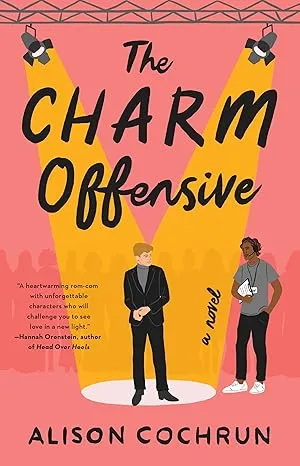
The panic-disorder touch-starved gateway. Charlie Winshaw is a tech CEO who has spent his entire adult life managing a body that flinches when other people get close — the panic-disorder architecture is structurally specific, the careful avoidance of casual physical contact is real, and the carefully-managed image he’s been performing for the financial press has been built around concealing the body’s defensive responses. Then the Bachelor-style reality show his career rehabilitation requires him to star on puts him in casual physical proximity with twenty women he cannot bring himself to touch, and the only person who can reach him is the producer who has been quietly making space for Charlie’s nervous system from day one.
Cochrun does the touch-starved-meets-panic-disorder architecture with extraordinary structural care. Charlie’s body has been managed, restricted, kept distant for a precise neurological reason — and the slow corruption of his careful avoidance into the recognition that Dev has been calibrating every touch around what Charlie’s nervous system can handle is the trope’s signature payoff at the trad-pub gateway tier.
Heat is moderate — romcom-tier on-page. Standalone.
Get The Charm Offensive on Amazon →

Common Goal — Sarina Bowen
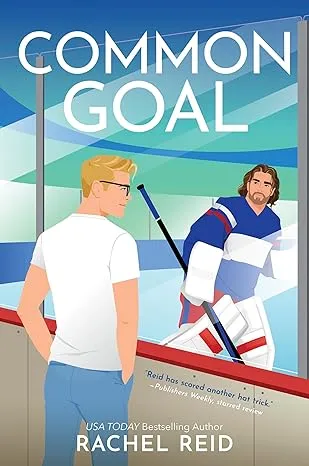
The late-career touch-starved hockey variant. Mark Kilfeather is a thirty-eight-year-old veteran goalie who has just emerged from a marriage that quietly destroyed his capacity for being touched without bracing. Eighteen years of professional hockey, a divorce he is still recovering from, and a body that has been disciplined out of expecting comfort — the careful management of his physical defaults is the load-bearing element. Jamie Canning is fifteen years younger, casually affectionate in the way only someone who has never been touch-starved can be, and structurally incapable of letting Mark continue to flinch through breakfast.
Bowen does the late-divorce touch-starved architecture with the precision the trope demands. Mark’s body remembers his marriage’s worst patterns and has structurally adapted. The slow recognition that Jamie’s brightness has been recalibrating Mark’s defaults one shared coffee at a time is paced with the patience the trope rewards. Heat is mainstream-romance — moderate on-page. Standalone within the Brooklyn Bruisers series.
Beach Read — Emily Henry
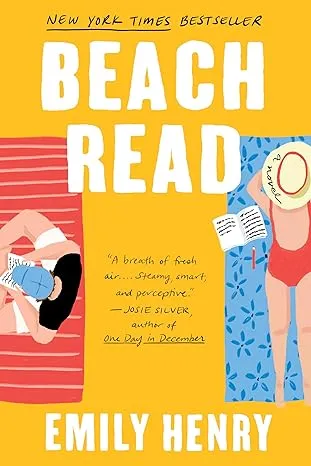
The grief-touch-starvation variant. January Andrews is moving through the careful machinery of acute grief — her father’s death, the inherited beach house, the revelation about his secret life — and her body has structurally been holding itself at attention for months. Augustus Everett is the literary-fiction writer next door who is also operating at a low frequency of emotional shutdown. Henry’s structural genius is treating both characters as touch-starved by different mechanisms — grief and creative depletion respectively — and watching the careful proximity of the side-by-side beach houses gradually recalibrate them both.
Henry writes the literary-touch-starved variant with extraordinary care. January’s body is processing grief in the careful way Henry’s prose can render. The slow recognition that Augustus has been similarly walking past every casual physical encounter for years is paced with the patience the trope rewards. Heat ceiling is mainstream — closed-door, mostly. Standalone.

Tough Guy (Sarina Bowen) & The Worst Guy (Kate Canterbary)
Two more touch-starved-adjacent gateway entries worth knowing. Tough Guy (Sarina Bowen) does the single-dad-team-enforcer variant where Brut O’Doul’s body has been disciplined into combat readiness for years and the slow recognition that he can finally relax into a particular bisexual single-dad teammate is paced with the structural care the architecture demands. The Worst Guy (Kate Canterbary) does the smart-people-fighting variant where Dr. Stella Allesandro’s body has been performing professional invulnerability so long that her opposing-rival surgeon’s repeated forced-proximity sessions are structurally the only thing in two years that have made her shoulders drop. Both mainstream-heat. Both standalone.
Get Tough Guy on Amazon → · Get The Worst Guy on Amazon →

Indie KU Touch Starved — Where the Body’s Recognition Lands at Full Heat
Here’s what the trad-pub touch-starved shelf builds beautifully: the careful management of the protagonist’s body, the slow erosion of the protective scaffolding, the architectural recognition that someone has been calibrating contact around the protagonist’s nervous system for chapters. Here’s what it tends not to do at full intensity: the embodied payoff. The trad-pub gateway tier mostly fades past the door at the architectural moment the body’s recognition would otherwise land on-page — which leaves the reader holding the trope’s emotional payoff but missing the physical confirmation.
The indie KU shelf takes the heat ceiling fully off. Six titles below — four MM, two FF — each running Inferno-tier on-page heat earned by the trope’s signature slow burn of careful, hour-by-hour bodily recalibration. Vermont widower inn-keepers. Quiet small-town librarians. Hadley Falls innkeepers learning what touch feels like after seven years of careful management. Fortune-500 ice queens flinching their way into recognition. Three-year-isolated freelance editors meeting roommates who don’t know what a laminated bathroom schedule means. The architectural extreme of the trope, finally cashing the check.

The Linden House — Jace Wilder (M/M Touch Starved, Inferno Heat)
The Hadley Falls widower variant at architectural extreme. The Linden House is a Vermont inn that has been quietly waiting for its current owner to return to it as something other than a man performing competence. The widower at the center of the book has been managing his grief through the careful, hour-by-hour maintenance of the inn’s bookings, the breakfast service, the seasonal rotations, the wallpaper in the third-floor suite. The man who walks back into his life is the one he met once before, years ago, when both of them were different people. The slow recognition that the body remembers what it was made for is paced across 149,000 words of structurally rigorous patience.
Jace Wilder does the touch-starved widower MM at the structural extreme. The inn-keeping is the device. The widower’s careful management of his routines is the load-bearing element. The slow corruption of his post-grief defaults into the recognition that he has been waiting for this particular man to return is the trope’s signature payoff. Inferno-tier. Small town. Widower. Reunion. Slow burn. Hurt/comfort. Read The Linden House free on KU →
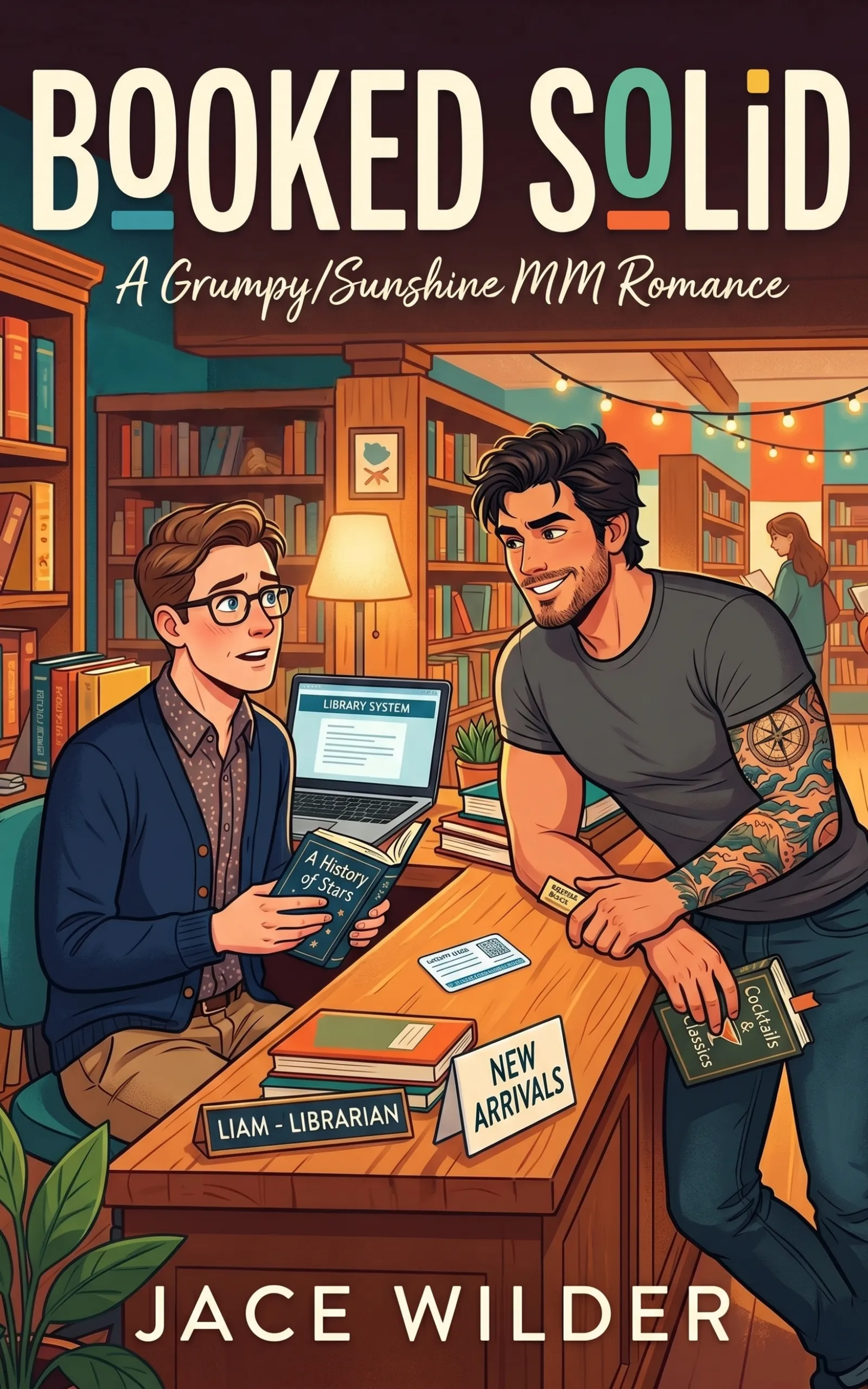
Booked Solid — Jace Wilder (M/M Touch Starved, Inferno Heat)
The quiet-librarian touch-starved variant. The town librarian has spent six years building a career around the careful management of small physical encounters — the cataloging system, the morning hours alone with the books, the carefully-timed coffee runs that avoid the rush. His body has been disciplined into the kind of professional quietness that the small town treats as natural. The tattooed contractor who shows up to fix the library’s water-damaged ceiling is structurally the loudest thing to happen in the building in seven years.
Jace Wilder does the quiet-librarian-meets-loud-contractor touch-starved architecture with the structural patience the trope rewards. The class-difference architecture is real. The librarian’s careful management of his nervous system around someone who structurally has no professional reason to keep his hands to himself is the engine. The slow recognition that the contractor has been calibrating his loudness around the librarian’s quietness is the trope’s signature payoff. Inferno-tier. Class difference. Praise kink. Opposites attract. Read Booked Solid free on KU →


Single House Shared Secrets — Aurora North (F/F Touch Starved, Inferno Heat)
The shared-walls touch-starved sapphic variant. The protagonist lives in a single house that has been quietly divided into two units — the kind of small-town arrangement where the wall between the two apartments is thin enough to hear someone showering on the other side. Her body has spent two years adjusting to this proximity-without-contact — the careful avoidance of the shared driveway, the precise timing of laundry-room runs, the careful management of a small-town life that requires daily small physical encounters she has learned to absorb without registering. The woman on the other side of the wall is structurally already past every defense the protagonist has built.
Aurora North does the sapphic shared-walls touch-starved architecture with the structural rigor the trope demands. The small-town single-house device is the structural lock-in. The careful management of two-year proximity-without-contact is the engine. The slow recognition that the woman across the wall has been waiting for the protagonist to stop performing distance is the trope’s signature payoff. Inferno-tier. Sapphic. Small town. Shared walls. Slow burn. Read Single House Shared Secrets free on KU →
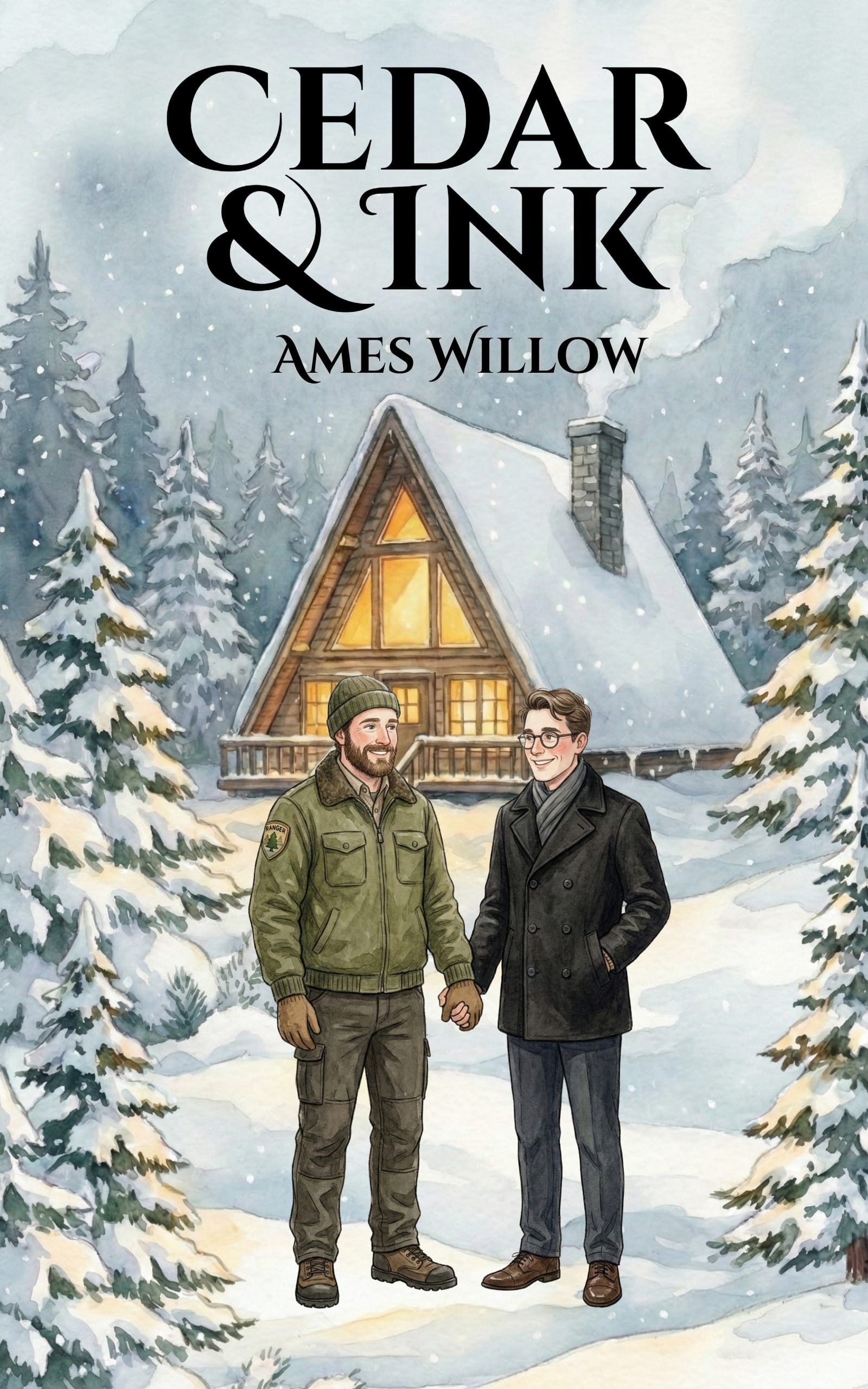
Cedar & Ink — Ames Willow (M/M Touch Starved, High Heat)
The Vermont-writer-cabin second-chance touch-starved variant. The writer has spent four years in a Vermont cabin doing the kind of post-divorce recovery work that involves nobody touching him, nobody calling him by his first name, nobody asking him how the manuscript is going. The man who shows up at the cabin door is the one he was supposed to spend his life with before everything came apart — and the slow corruption of four years of careful aloneness back into the recognition of someone who knew his body before he disciplined it is the architectural engine of the book.
Ames Willow does the Vermont second-chance touch-starved variant with the structural patience the trope rewards. The cabin is the device. The four years of recovery are the load-bearing element. The slow recognition that the protagonist’s careful aloneness has been the wrong defense the whole time is paced across the Vermont autumn with the precision the genre demands. High-tier heat. Second chance. Snowed in. Vermont. Grumpy/sunshine. Read Cedar & Ink free on KU →

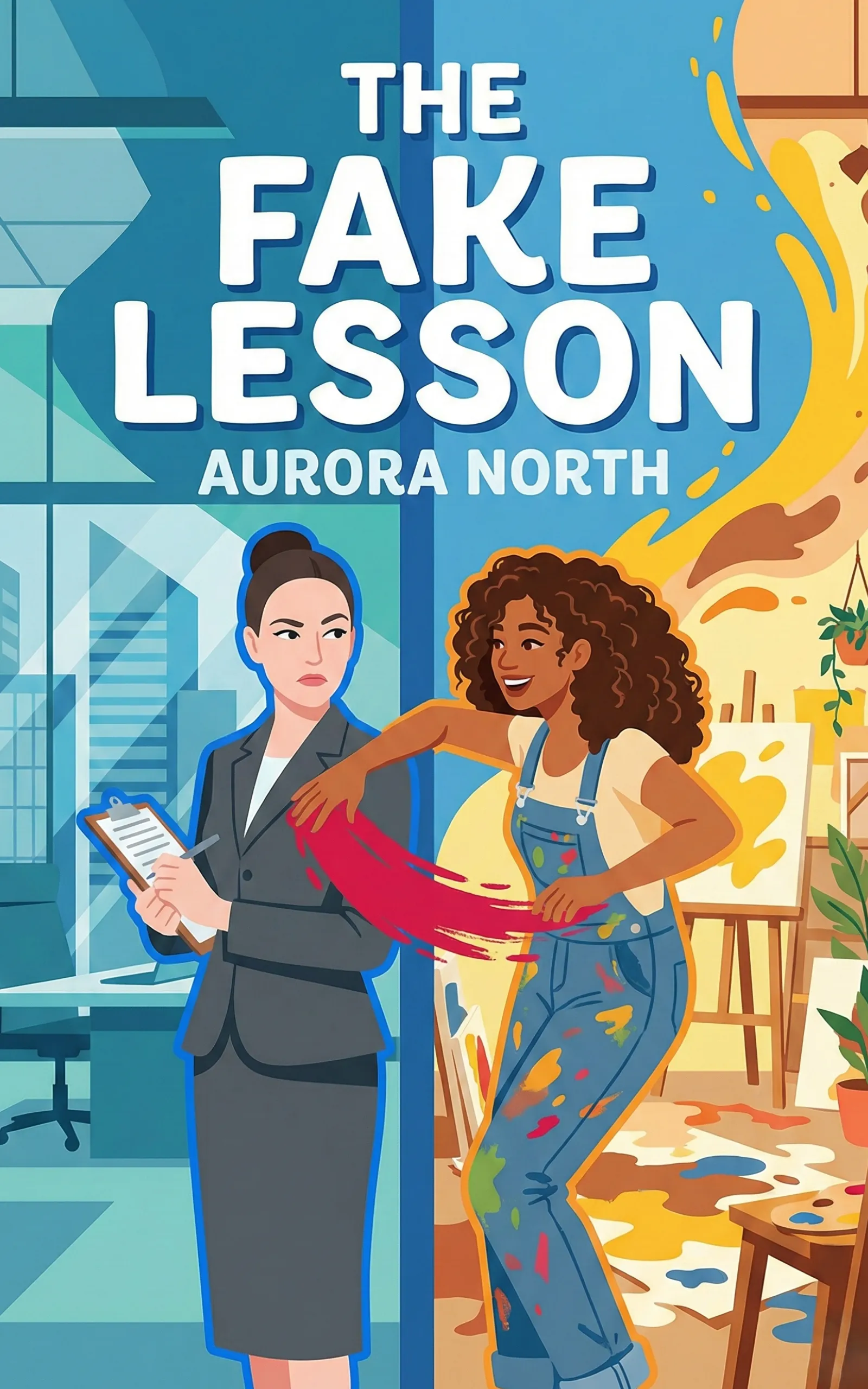
The Fake Lesson — Aurora North (F/F Touch Starved, Inferno Heat)
The Fortune-500-ice-queen-touch-starved variant at architectural extreme. Adeline Fox is thirty-four, a Fortune 500 CEO, and the woman the financial press calls the Ice Queen. She hasn’t cried in seventeen years. She hasn’t drawn since she was seventeen. She flinches when people touch her — an involuntary recoil she has spent two decades disguising. The seventeen-year flinch is the load-bearing element. She hires a sex-positive intimacy coach to teach her how to perform connection convincingly enough to satisfy a board demanding she present a stable personal life. The fake lessons were never going to fix the flinch. They were going to identify it.
Aurora North does the sapphic touch-starved architecture at the structural extreme. Adeline’s seventeen years of careful flinch-management is the engine. The intimacy coach’s professional calibration of every touch is the device. The slow recognition that what Adeline has been calling “not being touchy” is in fact the result of a specific neurological pattern she has been hiding her entire adult life is the trope’s signature payoff at the indie KU heat ceiling. Inferno-tier. Touch starved. Trauma recovery. Praise kink. Power exchange. Fake dating. Read The Fake Lesson free on KU →

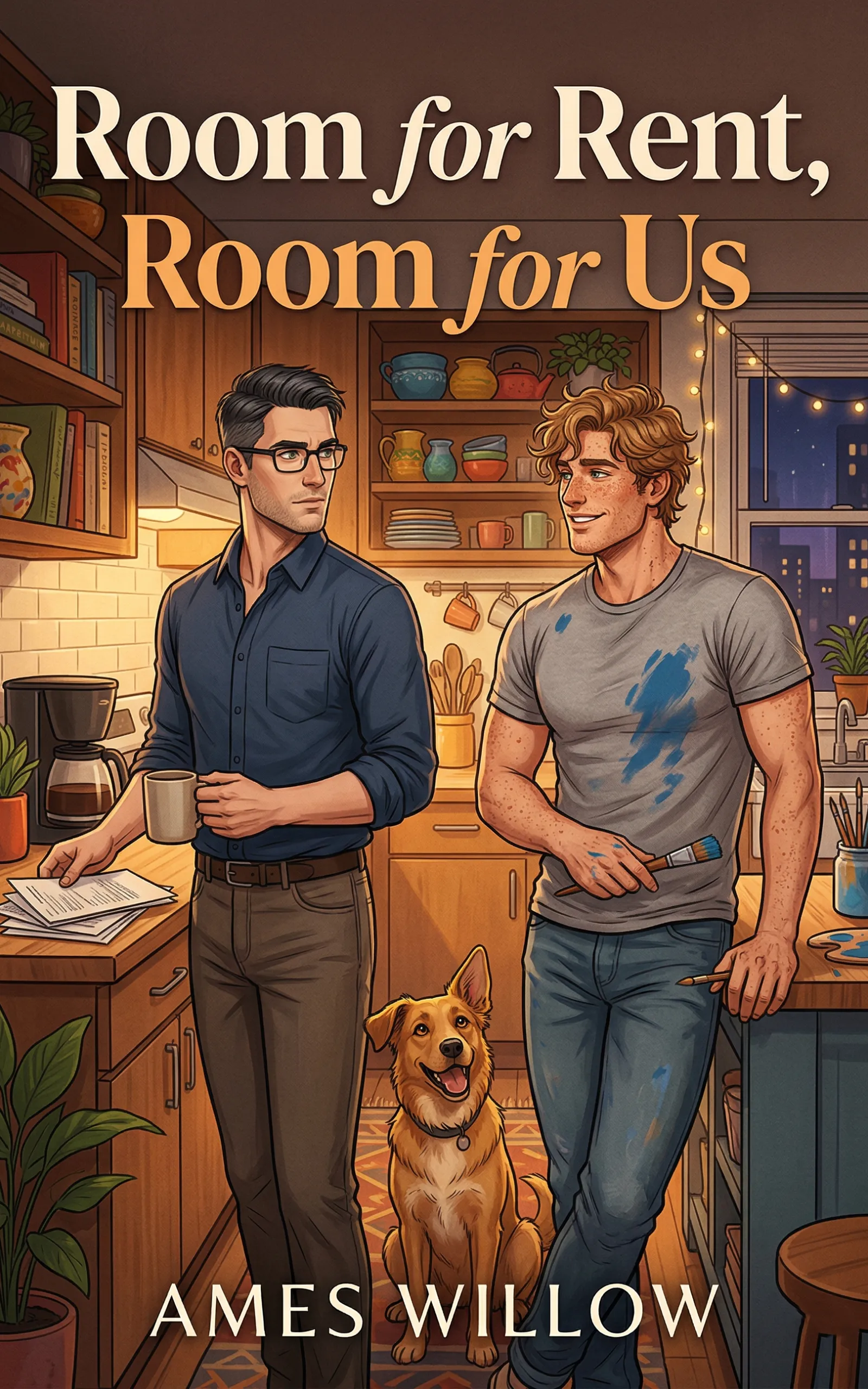
Room for Rent, Room for Us — Ames Willow (M/M Touch Starved, Inferno Heat)
The three-year-isolation grumpy-sunshine variant. Micah Calloway controls his life by controlling his space. Freelance editor, chronic insomniac, laminator of bathroom schedules. He hasn’t let anyone past his front door — or his defenses — in three years. The body has been managed into the kind of professional quietness that small social encounters cannot disturb. Riley Reed shows up forty minutes late, signs the lease without reading it, and proceeds to undo every careful boundary Micah has spent three years constructing.
Ames Willow does the touch-starved-with-laminator architecture at the structural extreme. Micah’s three-year isolation is the load-bearing element — the laminator, the bathroom schedules, the careful management of every surface in the apartment is the architectural cover Riley walks through without noticing it was a wall. The touch-starved arc is paced with extraordinary precision. The slow recognition that the man Micah hired to share his rent has been the answer to a question he has been avoiding for years lands with the weight the trope rewards. Inferno-tier. Grumpy/sunshine. Only one bed. Touch starved. Slow burn. Praise kink. Read Room for Rent, Room for Us free on KU →

Why Touch Starved Hits So Hard
The trope persists because it puts romance’s structural pressure at nervous-system level.
Other tropes externalize the obstacle. Touch starved internalizes it down to the protagonist’s relationship with their own body. The protagonist has constructed an entire life around the careful management of contact — the schedule, the apartment, the body language, the small social compromises that have, over years, structurally adapted the nervous system to expect absence. When the recognition lands — someone’s hand on the back of a neck in a way no one has done in a decade, someone calibrating their physical presence around what the protagonist’s body can handle, someone simply existing in the same room without requiring the protagonist to perform invulnerability — the entire architectural scaffolding the protagonist has built reorganizes around the embodied confirmation that contact can be wanted.
That’s why the trope rewards architectural seriousness about the protagonist’s specific isolation. Books that treat touch starvation as decorative — a quick mention of loneliness, a vague reference to past hurt — underdeliver. Books that respect the specific mechanism of the protagonist’s depletion (the grief, the panic disorder, the late-career divorce, the seventeen-year flinch, the three-year laminator-managed quiet) are the books the trope is actually built for. Every title above respects this. Every title above treats the protagonist’s specific touch starvation as a structural condition rather than as a decorative obstacle.
And it’s why the on-page heat at the architectural moment of recognition matters so much. Trad-pub touch-starved books frequently fade past the door at exactly the beat the trope is structured around — the moment the careful isolation finally collapses into the embodied confirmation that the body can want and be wanted again. Indie KU takes the heat ceiling off, and the result is the trope’s signature payoff finally landing: the body remembers what it was made for, and the slow burn confirms it.
That’s the gap the six titles above fill. The architecture the gateway titles built the audience for, finally confirming both the emotional and the embodied check.
Frequently Asked Questions
What’s the spiciest touch starved book on Kindle Unlimited?
The Fake Lesson (Aurora North, FF Fortune 500 ice queen with seventeen-year flinch), Room for Rent Room for Us (Ames Willow, MM three-year laminator isolation), The Linden House (Jace Wilder, MM Vermont widower), and Booked Solid (Jace Wilder, MM quiet librarian) all run Inferno-tier on the indie KU shelf. All featured above. All free with Kindle Unlimited.
Best gateway touch starved book?
Boyfriend Material (Alexis Hall) for the controlled-professional architectural cousin. The Charm Offensive (Alison Cochrun) for the panic-disorder variant. Common Goal (Sarina Bowen) for the post-divorce hockey variant. Beach Read (Emily Henry) for the literary grief-touch-starvation variant.
Best MM touch starved romance?
The Linden House (Jace Wilder) for the Vermont widower inn-keeper variant. Room for Rent, Room for Us (Ames Willow) for grumpy/sunshine three-year-laminator architecture. Booked Solid (Jace Wilder) for the quiet-librarian/loud-contractor class-difference variant. Cedar & Ink (Ames Willow) for the second-chance Vermont-cabin variant. All featured above. All free with Kindle Unlimited.
Best sapphic touch starved romance?
The Fake Lesson (Aurora North) for Fortune-500 ice queen with seventeen-year flinch + intimacy coach. Single House Shared Secrets (Aurora North) for the shared-walls small-town variant. Both featured above. Both Inferno-tier. Both free with Kindle Unlimited. Tending Her Garden (Aurora North, mid-40s VC with seven-year defensive structure + gardener) is the catalog companion piece.
What’s the difference between touch starved and hurt/comfort?
Hurt/comfort focuses on an acute injury or crisis the protagonist needs to recover from. Touch starved focuses on a chronic baseline depletion the protagonist has structurally adapted to. Hurt/comfort books resolve the wound. Touch starved books resolve the protagonist’s relationship with their own body’s wanting. Books at the architectural intersection of both (The Fake Lesson, The Linden House, Common Goal) tend to be the trope’s most architecturally complete entries.
Are these books standalone?
Boyfriend Material is standalone with a sequel. Charm Offensive, Beach Read, Tough Guy, Common Goal, and The Worst Guy are all standalones. The Fractal Enigma indie titles featured above are all standalone first reads.
This post contains Amazon affiliate links. As an Amazon Associate, Fractal Enigma earns from qualifying purchases at no extra cost to you.
Never miss a release — join the newsletter for new books, exclusive bonus chapters, and reader-only giveaways. 🔥
The form you have selected does not exist.