Books Like Things We Never Got Over — 10 Small-Town & Grumpy Sunshine Romance Reads (2026)
You finished Things We Never Got Over in a long weekend with the architectural certainty that Lucy Score had structurally engineered a small-town romance specifically to ruin every other grumpy-single-dad book for you. You spent the next week emotionally compromised by Naomi Witt and Knox Morgan — the runaway bride whose architectural-family-rescue mission has dropped her in Knockemout with structurally no money and the niece she just inherited, the bearded biker barber whose careful adult composure has been the architectural cover for an entire town’s structural understanding that Knox does not do entanglement, the cat named Waylay’s-Cat that compresses both of them into a domestic architecture neither was structurally prepared to navigate. You moved to Things We Hide From the Light. You finished Things We Left Behind. You worked through By a Thread. Now the question becomes: what fills the cozy-small-town-grumpy-single-dad shaped hole in your TBR until Lucy Score drops the next one?
What makes Things We Never Got Over land structurally isn’t the small-town setting. It’s the specific architecture: a heroine whose architectural-life-collapse has structurally dropped her into a place she had no plan to inhabit and whose career-architecture has been replaced overnight by the structural responsibility of an eleven-year-old niece, a love interest whose grumpy-mountain-man surface is the architectural cover for the precise emotional architecture his unprocessed family-history has structurally trained him to refuse, a small-town setup where every neighbour is structurally a stakeholder in whether Knox and Naomi work and the architectural-community-pressure is doing real plot work, and Score’s particular gift for letting the slow corruption of “I am leaving this town as soon as I figure out what I’m doing” into “I cannot leave this town and the architecture of who I am here is the architecture of who I have structurally become” land as inevitable rather than convenient. The cozy small-town grumpy-sunshine shelf has more titles that hit that exact architecture — some Score-adjacent, some indie KU that runs the small-town architecture at heat ceilings the trad-pub mass-market shelf restrains.
Ten reads below: five trad-pub Lucy Score Knockemout catalog and Tessa Bailey cross-author comps that anchor the BookTok small-town shelf, then five indie KU contemporary reads from Fractal Enigma at the indie KU inferno register — spread across five pen names hitting the small-town single-dad, cowboy grumpy, Montana western, contractor class-gap, and MM mountain-cabin architecture. The trad-pub picks are priced individually on Amazon; the indie picks are free with a Kindle Unlimited subscription.
What Makes a Great Things We Never Got Over Readalike
The structural criteria that separate “book set in a small town” from “actually a great Things We Never Got Over readalike”:
- A grumpy hero whose surface architecture is structural cover for actual emotional work — Knox is not just a grumpy alpha. The book takes the architectural patience to demonstrate the specific family-history that built his careful adult refusal to commit. The trope only lands when the grumpiness is doing real emotional work, not standing in for personality.
- A heroine whose architectural-life-collapse is structurally complete — Naomi has lost her career, her engagement, and her certainty about what shape her life has. The trope rewards books where the heroine arrives in the small town with structurally no architectural fallback — the relationship has to fit alongside building a new life, not in place of one she still has.
- A small-town community with structural plot stakes — Knockemout is not just a backdrop. The neighbours, the bar, the barbershop, the diner, the architectural-community network is doing real plot work. The trope rewards books where the small-town residents have architectural agency, not just decorative quaintness.
- A structurally-load-bearing kid or family-responsibility element — Waylay is not a prop. Naomi’s responsibility for her niece is the architectural pressure that compresses the entire book. The trope rewards books where the family-responsibility is genuinely doing structural work, not just providing a sympathetic backstory beat.
- Patient slow burn into earned on-page payoff — Score takes the full architectural patience the small-town setup requires before the structural collision lands. The trope rewards architectural patience; books that rush the small-town grumpy-sunshine timeline don’t compress the same structural weight.
Each pick below hits at least four of those five. The indie KU picks lift the on-page heat ceiling past where the trad-pub mass-market small-town shelf calibrates.
5 Trad-Pub Books Like Things We Never Got Over
The BookTok small-town grumpy-sunshine + single-dad protective shelf, ranked by how directly the comp lands on Things We Never Got Over’s specific architecture. Lucy Score built the Knockemout series she defines; Tessa Bailey covers the small-town grumpy-sunshine cross-author lane. All five available on Amazon at standard trad-pub pricing.
1. Things We Never Got Over — Lucy Score
The book this list is anchored on, and the BookTok romance title that pulled an entire generation of readers into Lucy Score’s small-town grumpy-sunshine lane. Naomi Witt is the runaway bride whose architectural-life-collapse has structurally dropped her in Knockemout, Virginia, with no money, no plan, and the eleven-year-old niece her twin sister has just structurally abandoned at the bar. Knox Morgan is the bearded biker barber whose careful adult composure has been the architectural cover for an entire town’s structural understanding that Knox does not do entanglement, does not do family, and does not do the structural-architectural-collapse Naomi has just walked into his life carrying. The architectural engine of the book is the gap between Knox’s careful no-attachment composure and the structural impossibility of refusing to help the woman who has just broken in his town with a child on her hip.
If you’ve somehow landed on this list without having read Things We Never Got Over yet, you’re in the rare position of having Score’s foundational Knockemout romance still in front of you. Read this first; the rest of the list waits. Commit to the entire Knockemout trilogy — Things We Hide From the Light and Things We Left Behind — for the full architectural community payoff. Get Things We Never Got Over on Amazon →
2. Things We Hide From the Light — Lucy Score
Knockemout Book Two and the catalog entry that delivers on the architectural-community-payoff Knockemout has been engineered to deliver. Nash Morgan is Knox’s brother — the Knockemout sheriff whose careful professional composure has been the architectural cover for the structural recovery from being shot on the job three months earlier. Lina Solavita is the architectural insurance investigator whose Knockemout assignment has structurally placed her next door to the sheriff she has been carefully not looking at directly. The architectural engine of the volume is the gap between Nash’s careful adult composure post-recovery and the structural impossibility of resisting the woman whose investigative work is structurally about to crack the case he has been refusing to acknowledge he can’t close.
For TWNGO readers who finished the first volume and immediately needed the architectural-community-continuation, Things We Hide From the Light is the book. Same Score voice, same upper-mainstream BookTok small-town heat calibration, the architectural-community-deepening the first volume earned. Get Things We Hide From the Light on Amazon →
3. Things We Left Behind — Lucy Score
Knockemout Book Three and the volume that brings the architectural-community-payoff of the trilogy to its structural conclusion. Lucian Rollins is the architectural-political-fixer whose careful adult composure has been the structural foundation of an entire shadow career in Washington DC; Sloane Walton is the librarian Lucian has spent thirty years architecturally not looking at directly. The architectural engine of the volume is the gap between Lucian’s careful Washington-shaped composure and the structural impossibility of avoiding the Knockemout woman whose architectural-presence in his life precedes every adult decision he has structurally made.
Things We Left Behind closes the Knockemout trilogy structurally; the architectural-romantic + community payoffs land in the same final-volume compression that makes the trilogy reread well. Same Score voice, upper-mainstream BookTok small-town calibration. Get Things We Left Behind on Amazon →
4. By a Thread — Lucy Score
Score’s structural-NYC corporate workplace entry and the catalog entry that runs the architectural-grumpy-boss + sunshine-employee setup through the workplace rather than the small-town configuration. Ally Morales is the architectural-career-collapse waitress whose desperate financial architecture has just structurally landed her in a fashion magazine assistant job under Dominic Russo — the architecturally-immovable executive whose careful corporate composure is the structural cover for an entire family-business legacy he has structurally been refusing to inherit. The architectural engine of the book is the gap between Ally’s careful adult survival composure and the structural impossibility of working for the man whose attention to her is structurally cracking the careful workplace performance both of them have been maintaining.
Where Things We Never Got Over runs the architectural-grumpy-sunshine + small-town setup through Knox and Naomi, By a Thread runs the same architectural-grumpy-sunshine setup through the NYC corporate workplace configuration. Same Score voice, same upper-mainstream BookTok calibration, the architectural-patience the catalog rewards in a different specific configuration. Get By a Thread on Amazon →
5. It Happened One Summer — Tessa Bailey
The cross-author small-town grumpy-sunshine entry and the closest direct comp to TWNGO’s specific architectural-hollywood-it-girl-meets-grumpy-mountain-man setup. Piper Bellinger is the LA party girl whose architectural-society-collapse has structurally landed her in the Pacific Northwest fishing-town her late father grew up in for the structurally-mandatory three-month sentence her stepfather has prescribed as an alternative to public-image rehab. Brendan Taggart is the architecturally-immovable fishing-boat captain whose careful adult composure has been the structural foundation of being the man the town leans on. The architectural engine of the book is the gap between Piper’s careful LA composure and the structural impossibility of surviving three months in the architectural-rural-isolation without acknowledging the man whose attention to her arrived at exactly the moment her old life stopped working.
Where Things We Never Got Over runs the architectural-small-town-grumpy-sunshine setup through Knockemout and the runaway-bride configuration, It Happened One Summer runs the same architectural-small-town-grumpy-sunshine setup through the Pacific Northwest fishing-town and the hollywood-it-girl configuration. Bailey writes the grumpy-sunshine + small-town + temporary-exile dynamic at upper-mainstream BookTok register; the catalog continues into Hook, Line, and Sinker for readers who want the Bellinger sister second volume. Get It Happened One Summer on Amazon →
Where Indie KU Lifts the Small-Town Heat Ceiling
The trad-pub Lucy Score + Tessa Bailey catalog above is calibrated to the BookTok upper-mainstream small-town register. Score runs the architectural-Knockemout setup carefully — the small-town community is the load-bearing work, the grumpy-sunshine + single-dad protection is the engine, and the on-page heat is calibrated to let the architectural community lead. Bailey calibrates similarly at the small-town adjacent configuration. The dynamics are real, the small-town architecture is intact, the door closes deliberately at the structural pivot points the trad-pub mass-market small-town shelf has been calibrated for.
The indie Kindle Unlimited small-town shelf doesn’t have those constraints. The architectural-small-town setup stays load-bearing, the structural-community is intact, but the on-page work engages the heat the architectural setup has earned. The small-town single-dad firefighter cabin whose architectural-grief over a wife who died in the wildfire is the structural cost of the careful single-fatherhood he has been performing. The cowboy grumpy-ranch hand whose architectural-family-business-legacy is the load-bearing inheritance. The Montana western whose architectural-rural-isolation is the structural compression. The PhD-dropout contractor whose class-gap with the homeowner is the structural pressure the renovation compresses into. The MM mountain-cabin baker whose architectural-disappearance-from-city-life is the structural foundation of the bakery that has become the architectural center of the small town.
Five indie KU contemporary reads below, from five different Fractal Enigma pen names, hitting the small-town single-dad, cowboy grumpy, Montana western, contractor class-gap, and MM mountain-cabin architecture across MF and MM pairings. All five free with Kindle Unlimited; the individual book page for each title lists current retailers and content warnings.
5 Indie KU Small-Town Reads from Fractal Enigma

6. Burn for Me — Cassie Hart (MF Small-Town Single-Dad Firefighter)
The closest direct comp to Things We Never Got Over’s specific architectural-grumpy-single-dad + small-town-community setup on this list. He is the firefighter whose architectural-wildfire-tragedy two years ago is the structural cost his entire small-town existence has been organised around — the wife who died, the daughter whose careful eight-year-old composure has been the architectural mirror of his own structural refusal to acknowledge what the grief has done, the careful single-father composure that has been the load-bearing fabric of his daily survival. She is the woman who has just moved to the small-town with the architectural intention of writing the book her career has been refusing to let her finish — and whose architectural-rental-arrangement has structurally placed her next door to the firefighter whose grief she has no architectural-authority to crack.
Where TWNGO runs the architectural-grumpy-single-dad setup through Knox’s careful refusal to engage with Waylay’s structural reality, Burn for Me runs the architectural-grumpy-single-father setup through the firefighter + widower + small-town-cabin configuration with the architectural-grief as the load-bearing structural cost. Cassie Hart writes the MF small-town + single-dad + grief-substrate + emotional contemporary dynamic at the indie KU high heat register. For TWNGO readers who came for the architectural-grumpy-single-dad engine and want the firefighter-widower variant. Read chapter one free →
7. Save a Horse, Ride the Grump — Isla Wilde (MF Cowboy Grumpy)
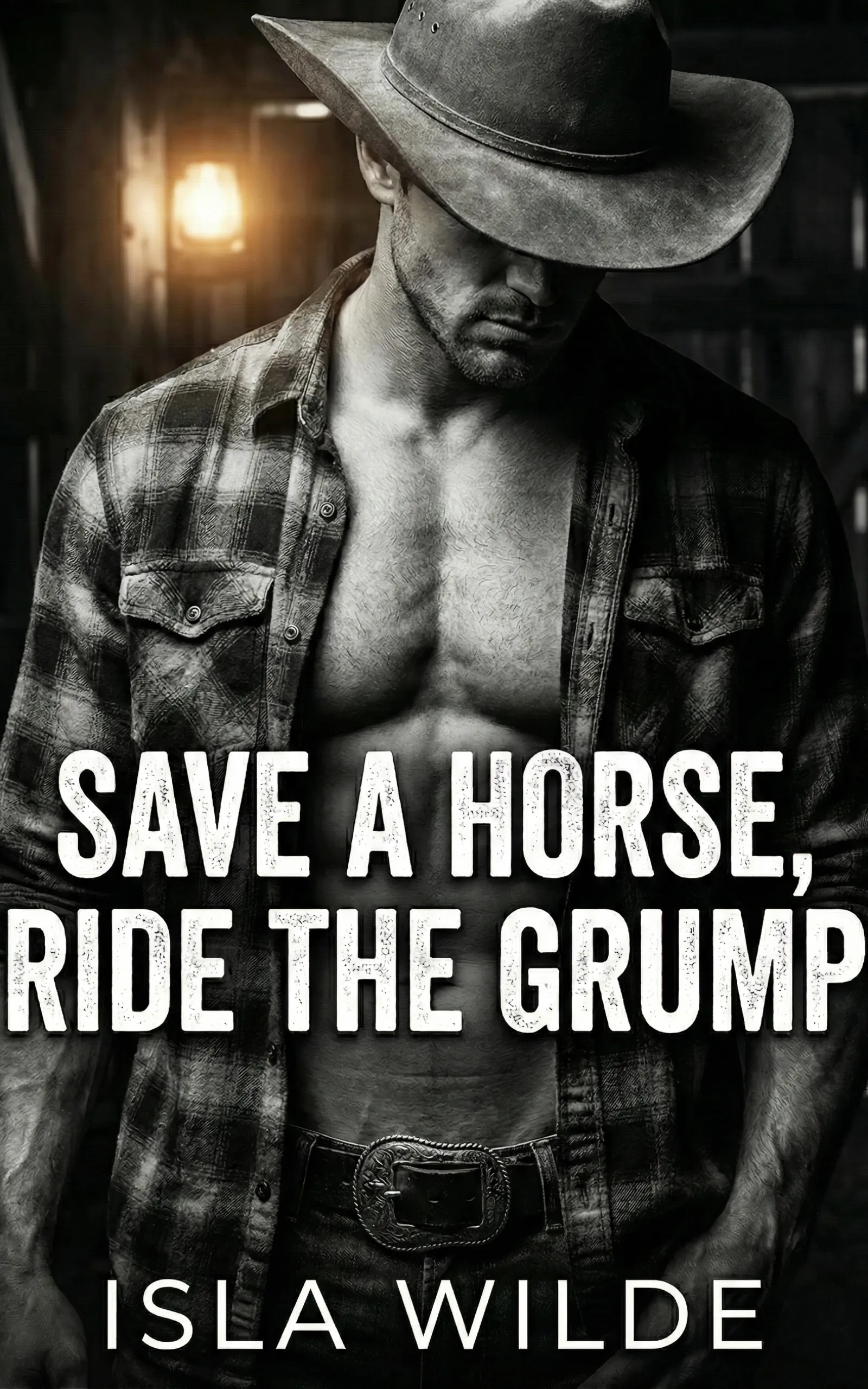
The cowboy grumpy + city-girl entry and the structural-rural-inversion of TWNGO’s small-town setup with the architectural-cowboy-ranch as the load-bearing community context. She is the city woman whose architectural-career-collapse has structurally dropped her in the ranch town her late grandfather left her in the will and whose architectural-property-inheritance has structurally placed her next to the man whose family ran the cattle on her grandfather’s land for thirty years. He is the rancher whose careful adult composure has been the architectural cover for the structural recognition that the architectural-fence-line his family has been maintaining is now structurally about to come down with the new owner whose city-architecture has no business being in his sightline.
Where Things We Never Got Over runs the architectural-grumpy-small-town setup through Knockemout’s biker-barber configuration, Save a Horse Ride the Grump runs the same architectural-grumpy-rural setup through the cowboy + city-girl + inherited-property configuration at the indie KU inferno register. Isla Wilde writes the MF cowboy grumpy + class-gap + rural-isolation dynamic with the on-page heat the trad-pub Score mainstream restrains. For TWNGO readers who came for the architectural-rural-grumpy engine and want the cowboy variant. Read chapter one free →

8. Hard Frost — Harper West (MF Montana Western)
The Montana western entry and the closest direct comp to TWNGO’s specific architectural-protective-grumpy-rural-isolation setup on this list. He is the Montana rancher whose careful winter-architecture has been the structural foundation of being the man the small town leans on through the heaviest snow seasons in living memory. She is the architectural-stranger whose car has structurally died on the road that runs through his property in the architectural-beginning of the worst storm in twenty years. The cabin’s careful one-occupant architecture has to accommodate two people for the architectural-duration of the storm; the structural impossibility of maintaining the careful adult performance of professional courtesy across a snow-week the storm refuses to end is the load-bearing pressure the book compresses into.
Where TWNGO runs the architectural-grumpy-rural setup through Knockemout’s Virginia small-town configuration, Hard Frost runs the same architectural-grumpy-rural setup through the Montana western + snowed-in-cabin configuration with the architectural-storm as the load-bearing structural compression. Harper West writes the MF Montana western + protective + snowed-in + small-town dynamic at the indie KU high heat register. For TWNGO readers who came for the architectural-protective-grumpy engine and want the Montana-western variant. Read chapter one free →
9. Caulk of Shame — Hazel Green (MF Contractor + Class-Gap)
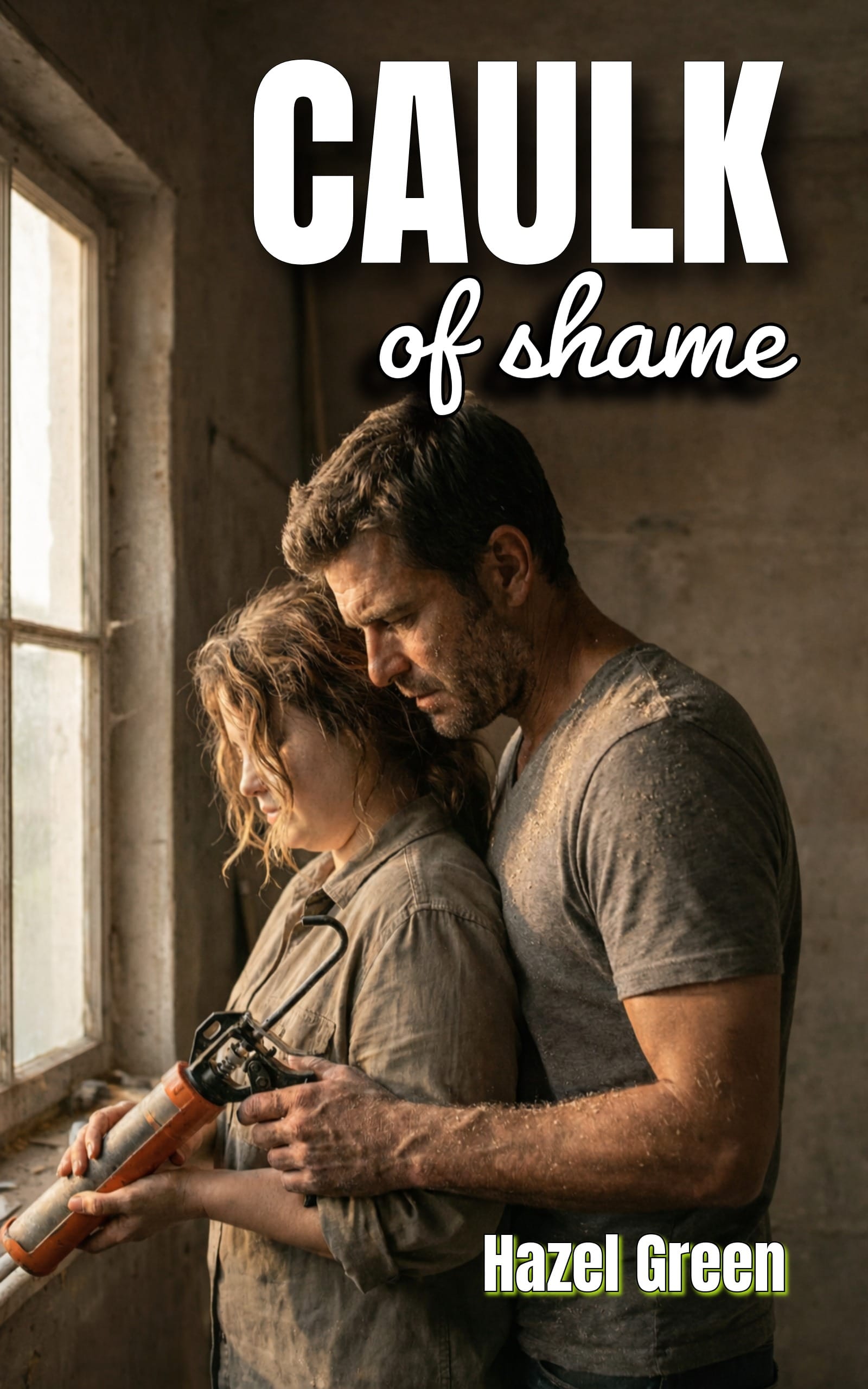
The contractor + class-gap entry and the recommendation for TWNGO readers who came for the architectural-class-gap + small-town-community + structural-renovation dynamic and want the Oregon small-town variant. She is the PhD dropout whose architectural-academic-career-collapse has structurally returned her to the Oregon small-town her late aunt left her the house in — and whose architectural-renovation-budget has just structurally placed the contractor’s truck in her driveway for the duration of a four-month restoration project her financial architecture cannot survive. He is the contractor whose careful adult composure has been the architectural cover for an entire small-town professional reputation she had no idea she was hiring when the cheapest bid arrived in her inbox.
Where Things We Never Got Over runs the architectural-class-gap setup through Naomi’s career-collapse and Knox’s blue-collar Knockemout architecture, Caulk of Shame runs the architectural-class-gap setup through the PhD-dropout academic-collapse and the Oregon-contractor small-town configuration at the indie KU inferno register. Hazel Green writes the MF contractor + class-gap + Oregon-small-town + renovation dynamic with the on-page heat the trad-pub Score mainstream restrains. For TWNGO readers who came for the architectural-class-gap engine and want the renovation-Oregon variant. Read chapter one free →
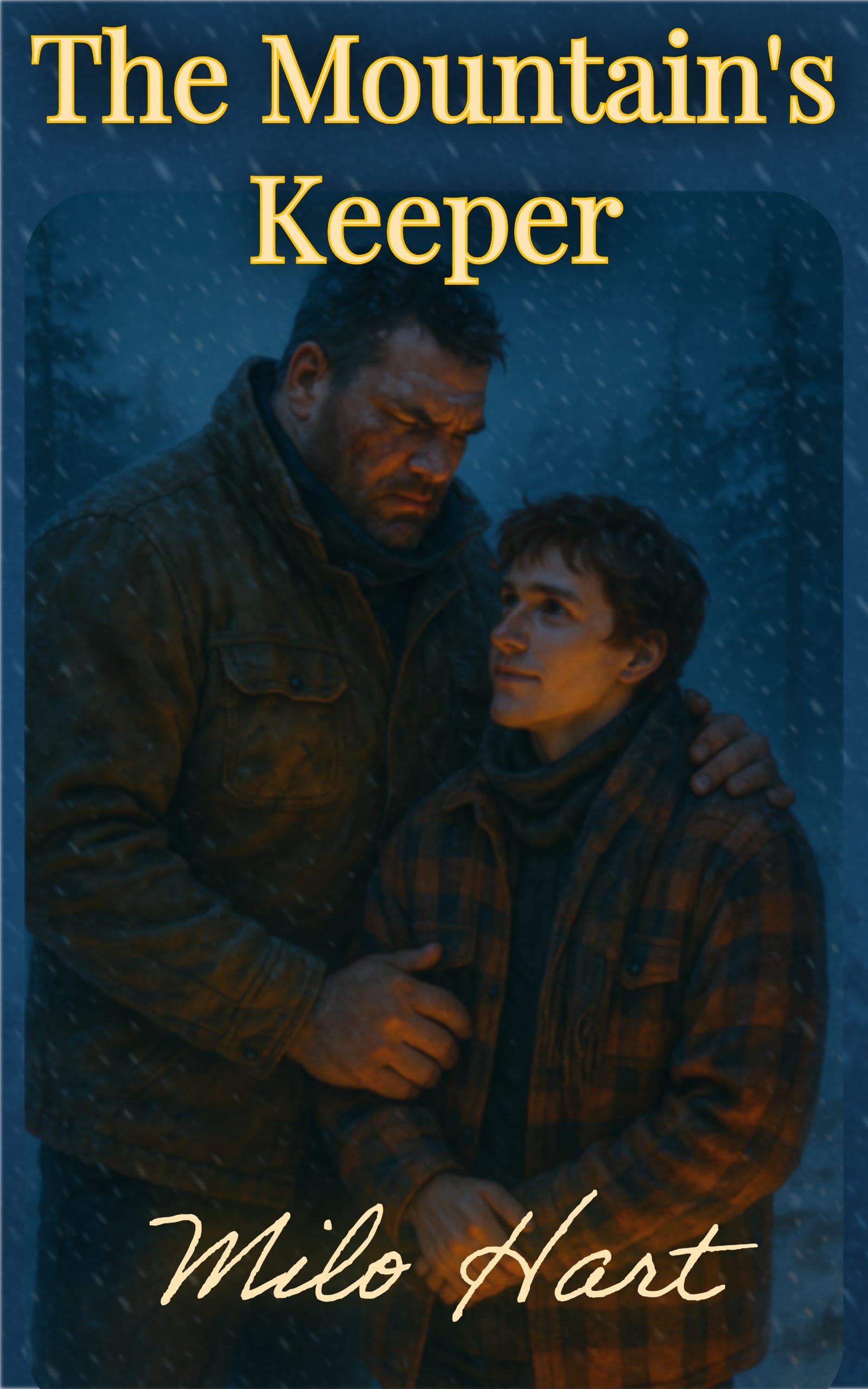
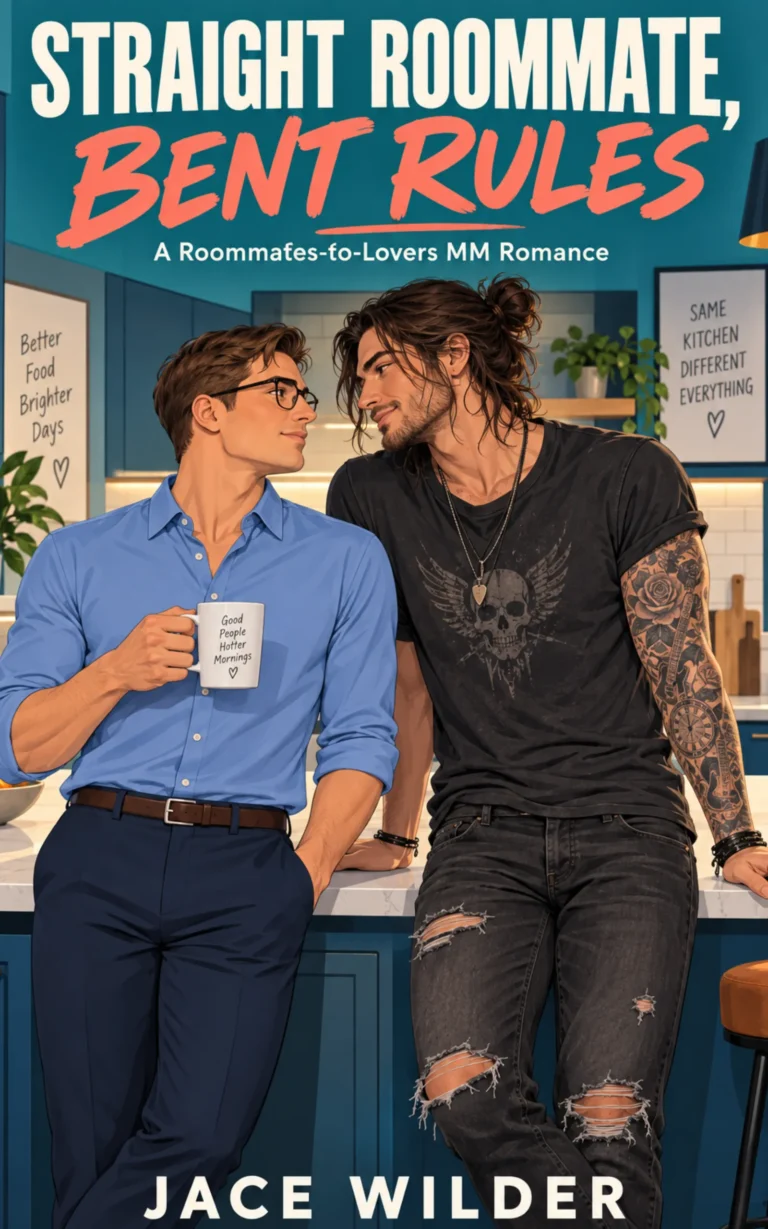
10. The Mountain’s Keeper — Milo Hart (MM Mountain-Cabin Small-Town)
The MM mountain-cabin + small-town entry and the recommendation for TWNGO readers who came for the architectural-grumpy-small-town + community + emotional substrate setup and want the MM variant. He is the man whose mountain cabin has been the architectural sanctuary he built specifically to disappear from a city career that nearly killed him. The bakery is structurally the only commitment he has been willing to make to the small town since he arrived — and it has become the architectural center of the town in ways he was structurally not prepared to occupy. Then a stranger arrives at the architectural beginning of the worst storm in the region’s recorded history, and the cabin’s careful one-occupant architecture has to accommodate two people for as long as the snow refuses to melt.
Where TWNGO runs the architectural-small-town-community + emotional substrate setup through Knockemout’s biker-bar configuration, The Mountain’s Keeper runs the same architectural-small-town-community setup through the MM mountain-cabin + bakery + snowed-in configuration. Milo Hart writes the MM emotional + small-town + grief-substrate + forced-proximity dynamic at the indie KU high heat register. For TWNGO readers who came for the architectural-small-town-community engine and want the MM mountain variant. Read chapter one free →
Frequently Asked Questions
What book is most like Things We Never Got Over?
For trad-pub: Things We Hide From the Light by Lucy Score is the structural sequel and the closest direct successor inside the Knockemout trilogy — same Score voice, same Knockemout community architecture, different specific brothers configuration (Nash and Lina rather than Knox and Naomi). Outside Score’s catalog: It Happened One Summer by Tessa Bailey is the closest cross-author grumpy-sunshine small-town comp. For indie KU at the indie register: Burn for Me by Cassie Hart (MF small-town single-dad firefighter widower) runs the closest structural comp at the heat ceiling the trad-pub Score register restrains.
Is Things We Never Got Over on Kindle Unlimited?
Lucy Score’s catalog (Things We Never Got Over, Things We Hide From the Light, Things We Left Behind, By a Thread, the wider Knockemout and Pretend Boyfriend series) is published through her own imprint and availability on Kindle Unlimited has historically varied by title and timing — some have been KU at various points, others have not. Check the individual Amazon listing for current KU status on each title. Tessa Bailey’s catalog is generally not on KU. The five indie KU picks from Fractal Enigma above (Burn for Me, Save a Horse Ride the Grump, Hard Frost, Caulk of Shame, The Mountain’s Keeper) are all free with a Kindle Unlimited subscription.
What’s the right order to read Lucy Score’s Knockemout?
The Knockemout trilogy reads in order: Things We Never Got Over (2022), Things We Hide From the Light (2023), Things We Left Behind (2023). Each book features different protagonists but the architectural-community across the trilogy rewards reading in order — the Knockemout regulars accumulate, the community arcs deepen, and the final volume rewards readers who have absorbed the structural-community context from the first two. Score’s wider catalog (Pretend Boyfriend, By a Thread, the Riley Thorn mysteries) covers her other contemporary work.
Are there spicier books like Things We Never Got Over?
Score’s heat ceiling sits at upper-mainstream BookTok — the architectural-small-town-community is doing the structural work, the grumpy-sunshine + single-dad + community-pressure setup is the engine, and the on-page heat is calibrated to let the architectural-community lead. Readers who want the same small-town + grumpy-sunshine + community-stakes setup with the heat ceiling lifted past the trad-pub mass-market level should look indie KU. Burn for Me by Cassie Hart (MF small-town single-dad firefighter widower, high heat), Save a Horse, Ride the Grump by Isla Wilde (MF cowboy grumpy + city-girl class-gap, inferno), and Caulk of Shame by Hazel Green (MF Oregon contractor + PhD dropout class-gap, inferno) all run the architectural-small-town setup at on-page registers the trad-pub Score shelf restrains.
Are there MM books like Things We Never Got Over?
The trad-pub MM small-town + grumpy-sunshine + community architecture at Things We Never Got Over’s specific configuration is structurally smaller than the MF mainstream lane. Indie KU has filled the gap. For MM small-town + mountain-cabin + community: The Mountain’s Keeper by Milo Hart (MM mountain-cabin + bakery + emotional substrate + snowed-in, indie KU high heat) is the closest direct comp. Milo Hart’s wider catalog (The Rancher’s Vow, Straight Until Checkout, Good For Me) covers the MM emotional + small-town + late-bloomer architecture across multiple configurations at the indie KU heat register.
Where do Lucy Score readers go next?
For trad-pub: working through Score’s catalog (the Knockemout trilogy + By a Thread + the wider Pretend Boyfriend series) covers her contemporary small-town + workplace lanes. Beyond Score: Tessa Bailey’s catalog (It Happened One Summer, Hook Line and Sinker, Wreck the Halls), Lauren Layne’s contemporary catalog (Stiletto series, To Have and to Hoax), and Christina Lauren’s wider catalog cover the trad-pub small-town + workplace contemporary adjacencies. For indie KU at the inferno register: Cassie Hart‘s small-town single-dad catalog (Burn for Me), Isla Wilde‘s cowboy + contemporary MF catalog (Save a Horse Ride the Grump, Mechanic’s Good Girl, Single House Shared Secrets), Harper West‘s Montana western catalog (Hard Frost), Hazel Green‘s Oregon contemporary catalog (Caulk of Shame), and Milo Hart‘s MM small-town catalog (The Mountain’s Keeper) are the closest indie comps across five dedicated contemporary pen names.
This post contains Amazon affiliate links. As an Amazon Associate, Fractal Enigma earns from qualifying purchases at no extra cost to you. The five Fractal Enigma titles link to their book pages on this site where you can read the first chapter free.
Looking for more small-town and grumpy-sunshine romance recommendations? The newsletter sends new indie KU contemporary releases, bonus chapters, and reader-only giveaways straight to your inbox. 🏘️
The form you have selected does not exist.