
Best Friends to Lovers Romance Books — From Mutual Pining to Devastating Payoff (2026)
You’ve read all the strangers-to-lovers. You’ve done your time on enemies-to-lovers. You’ve cried over forbidden, you’ve sweated through rivals, you’ve taken the fake-dating express to a four-day Vegas weekend and back. None of those tropes do what friends-to-lovers does.
Friends-to-lovers is the one where it’s been there the whole time. They’ve watched each other become the people they are. They’ve seen the haircuts, the breakups, the embarrassing apartment, the dad who left, the night in the ER. They’ve sat across a thousand kitchen tables. And then one ordinary Tuesday — usually because of something stupid, a borrowed sweater, a wedding RSVP, a late-night text that came in wrong — the floor gives out.
That’s the trope. That’s why people lose their minds over People We Meet on Vacation. That’s why The Cheat Sheet sold a million copies. That’s why every reader who finds Boyfriend Material immediately reads it twice.
The problem is the BookTok lists are saturated with the same six titles, half of which are barely friends-to-lovers — don’t @ us, you know which ones. And the indie Kindle Unlimited shelf, where the door actually opens and the on-page heat earns the years of waiting, is where the genre is doing its best work right now and getting almost no coverage.
Below: six gateway comps that earn their reputation, six indie KU titles that take the formula somewhere harder, and a smarter way to figure out which is your next 2 a.m. read.
People We Meet on Vacation — Emily Henry
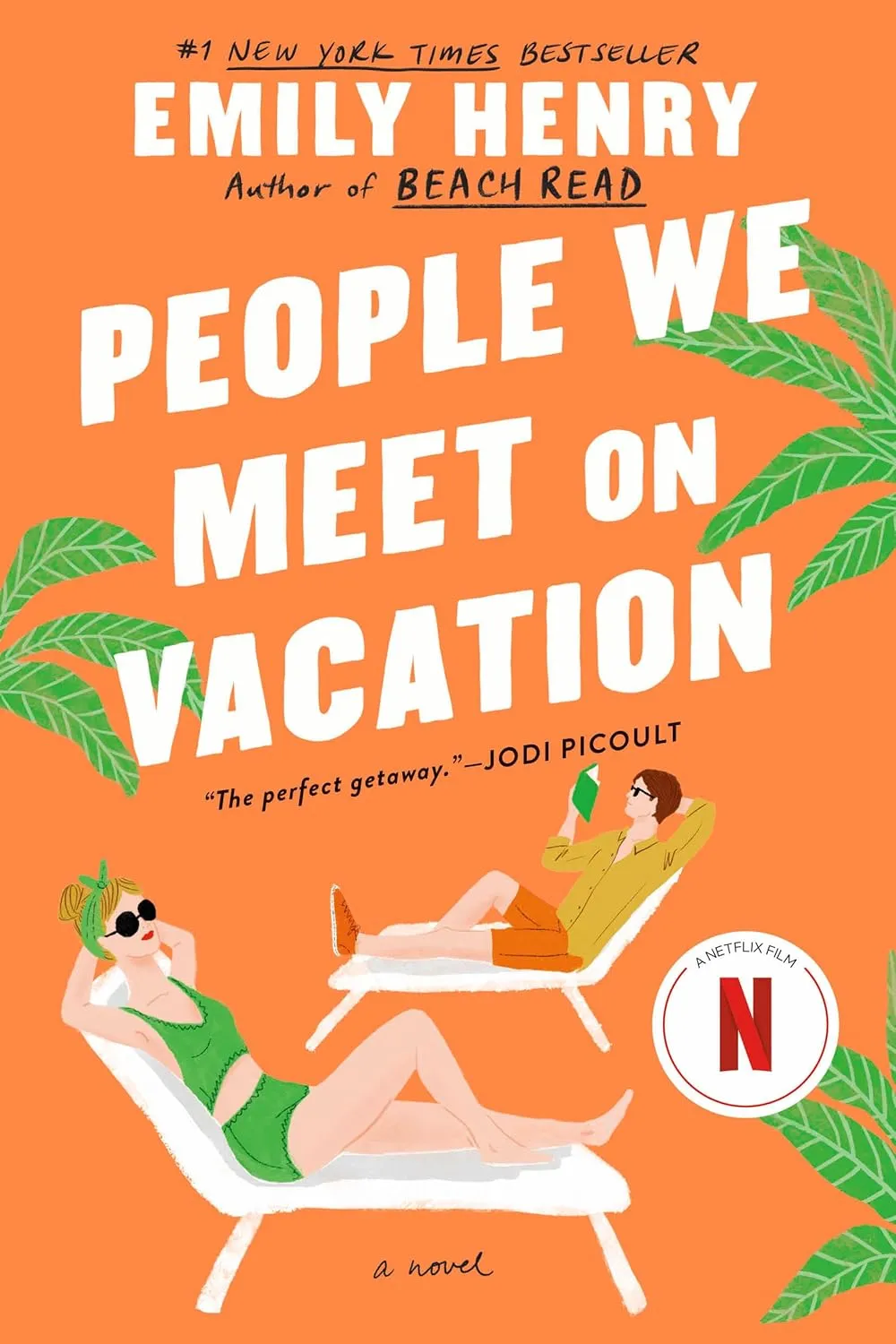
Poppy and Alex have been best friends for ten years. They take a vacation together every summer. Two summers ago, something happened on one of those trips. Neither of them has spoken to the other since. The book is what happens when Poppy decides — after twelve months of professional success that feels like nothing — to call him and ask for one more trip, just the two of them, to figure out how to fix this.
What Henry does that nobody else in the romcom space does is structure the entire book as a then-and-now braid. Every present-day chapter alternates with a flashback to one of their previous trips, so you watch the friendship form and the tension build at the same time you’re watching the reconciliation try and fail. By the time you reach the chapter set in Palm Springs, two summers ago, you’re not reading a romance scene — you’re reading the moment a decade of mutual pining cracks open in a hotel room with a single bed, and Henry handles it with the precision of a writer who has read more romance than most authors will write in a career.
The on-page heat is mid-tier — Henry stays mostly tasteful even at peak — but the emotional architecture is the gold standard of the trope. If you’ve never read PWMOV, this is where every friends-to-lovers reading list in the genre has to start. Everyone else is in conversation with what Henry built here.
The Cheat Sheet — Sarah Adams
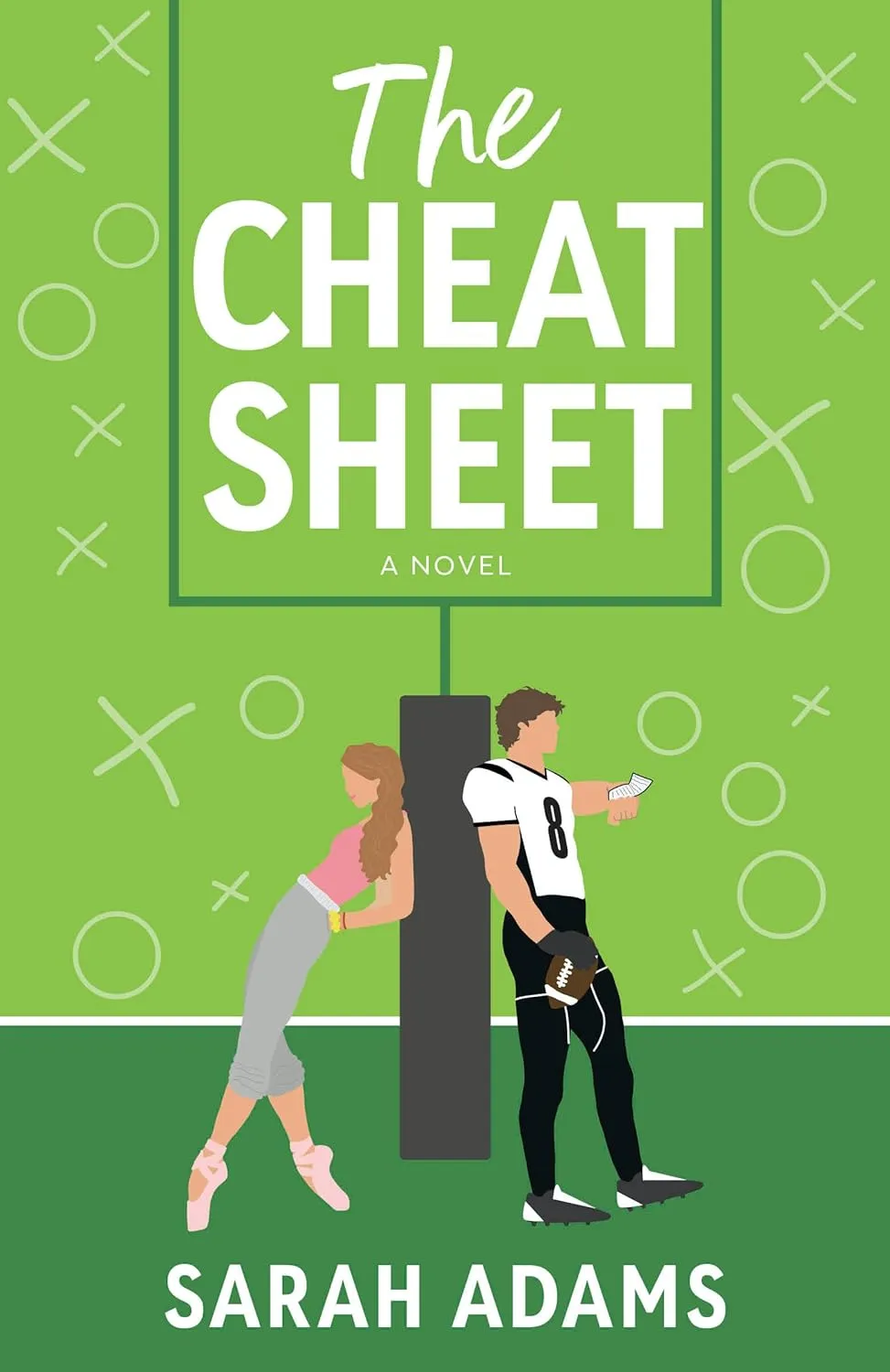
Bree Camden has been in love with her best friend since the seventh grade. Nathan Donelson is now an NFL quarterback. Bree is a ballet teacher with two roommates and a beautiful, useless side blog about being almost successful. They’ve been platonic for twenty years. There’s a list of reasons. The list is bullshit, and Bree is starting to suspect it.
The Cheat Sheet is the high-volume BookTok comp on this list because Adams gets the mechanic exactly right: it isn’t the unrequited pining that hooks you — it’s the discovery that it was never actually unrequited, and the years of careful “we’re just friends” management was both of them lying simultaneously to spare the other. The fake-dating B-plot, when it kicks in around chapter eight, is the device that finally forces the lie out of both of them, and the dynamic Adams writes between the on-camera “couple” version and the off-camera “friends” version is the whole reason this book wedged itself onto a thousand TBRs.
Heat-wise it’s mainstream-romcom level — there’s a sex scene, it’s well-written, it’s not the point of the book. The point is the slow horror of realizing you’ve been pretending for two decades and there’s no longer any reason to. If you wanted Bree-and-Nathan-energy with the spice cranked up, the indie KU section below is where you go.
Beach Read — Emily Henry
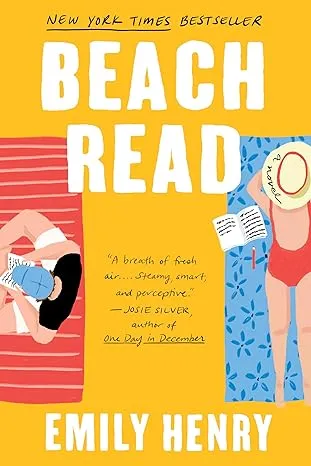
January Andrews is a romance novelist whose father just died and whose belief in love just died with him. Augustus “Gus” Everett is the literary-fiction-bro classmate she hasn’t seen since college, who somehow now owns the beach house next to hers, and who is also having a writer’s block crisis nobody is supposed to know about. They make a deal: she’ll write his kind of book, he’ll write hers, whoever finishes first wins. The proximity is forced. The pretense is collegial. The unraveling is exquisite.
Beach Read is friends-to-lovers via the long way around. It’s structurally a former-acquaintance-to-rival-to-lovers book on the surface, but the dynamic Gus and January build over the summer is unmistakable: late-night porch conversations, weekly research dates, the quiet competence of two writers who actually understand each other’s work. By the midpoint, the friendship is the romance. The romance just hasn’t crossed the line yet.
Henry’s heat ceiling here is the same as everywhere else — earnest, well-paced, not the focus — but Beach Read’s emotional climax (the grief plot, not the sex plot) is one of the most quietly devastating chapters in mainstream romcom. Pair this with PWMOV for the full Henry friends-to-lovers experience and prepare to weep into your e-reader.
Things We Never Got Over — Lucy Score
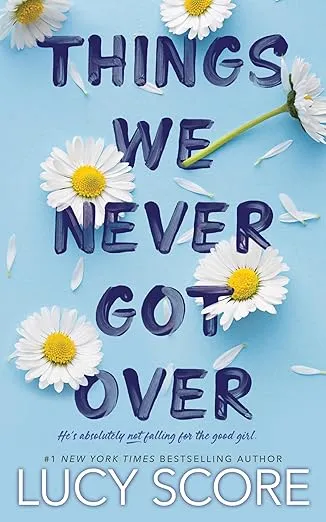
Naomi Witt has been runaway-bride-ing into the wrong life for thirty years and ends up in Knockemout, Virginia, by accident, looking for the twin sister who screwed her over. Knox Morgan is the bearded, surly, dog-owning local bar owner who finds her on the street wearing a wedding dress and decides that her problem is now technically also his problem. They are not friends. They become friends. Then they become something else, and Knox is mad about it.
Things We Never Got Over isn’t strict friends-to-lovers — it’s grumpy/sunshine with strangers-to-friends-to-lovers DNA — but it earns its place on this list because the friendship phase is where Score does her best work. The slow accumulation of small-town life happening around them, the way Knox absorbs Naomi into his orbit one minor crisis at a time, the platonic codependence that builds for two hundred pages before either of them admits what’s happening: that’s the friends-to-lovers reader’s drug.
This is also the spiciest book on the trad-pub side of this list. Score writes Knox with actual filthy mouth energy and Naomi with a grown-woman desire that reads like she means it. If you wanted The Cheat Sheet but with more on-page heat and a hero who can curse in a sentence longer than three words, this is it.
Boyfriend Material — Alexis Hall
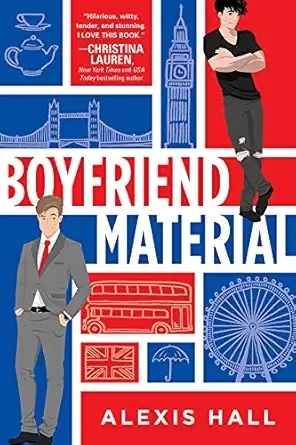
Luc O’Donnell is the disaster gay son of two famous rockstar parents, employed by a charity that’s about to fire him because his name keeps showing up in the gossip pages. Oliver Blackwood is an extremely earnest barrister Luc finds genuinely insufferable. The plan is fake-dating to clean up Luc’s image. The result is the slowest, most emotionally precise British-flavored MM romance of the last decade.
Boyfriend Material is fake-dating-to-friends-to-lovers, and the friends-to-lovers stage is the heart of it. Hall builds Luc and Oliver’s actual relationship — the one underneath the fake one — through a hundred small moments: Oliver explaining what he eats for breakfast, Luc panicking at a dinner party, the night Oliver lets Luc sleep on his couch, the morning he doesn’t make him leave. By the time the kiss happens it’s redundant. They’ve been in love for two hundred pages.
The heat is moderate — Hall fades earlier than indie KU, but his on-page chemistry is unmatched in the genre. If your previous MM read was a hockey rivals novel and you want something quieter, funnier, and emotionally devastating in a different register, this is it. Plus the British-comedy-of-manners voice means you’ll actually laugh out loud roughly every six pages.
The Charm Offensive — Alison Cochrun
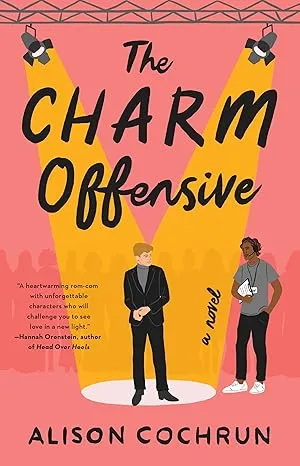
Charlie Winshaw is a tech-startup wunderkind whose career imploded and whose publicist talked him into a starring role on a Bachelor-style reality show called Ever After to clean up his image. Dev Deshpande is the show’s golden-boy producer, a hopeless romantic who has watched every season of every dating reality show ever made and is supposed to coach Charlie into faking it convincingly. Six episodes in, Dev is realizing his star has anxiety, OCD, never been in love, and is talking to him at 3 a.m. about all of it.
The Charm Offensive is friends-to-lovers wearing a fake-dating costume, and the slow build between Charlie and Dev is the kind of thing that breaks people. Cochrun writes Charlie’s mental-health journey with the same careful weight as the romance, and the friendship that grows between him and Dev — through behind-the-scenes producer/contestant chats that aren’t supposed to happen — is the actual love story. The fake on-screen relationships with the female contestants are noise. The friendship is the signal.
If Boyfriend Material’s British dryness wasn’t your speed, Charm Offensive is its warmer, more earnest American cousin. The on-page heat lands late and hits harder than expected. Mainstream MM romance with a real ache underneath.

Indie KU Friends-to-Lovers — Where the Door Actually Opens
Here’s what the trad-pub friends-to-lovers shelf will not give you: the on-page payoff that earns the years of pining.
Henry, Hall, Adams, Cochrun — they all build the architecture beautifully. The slow accumulation. The decade of trying to be normal about each other. The moment of inevitability. And then the door closes. They give you the kiss, sometimes the implied scene, and the credits roll.
For a lot of readers, that’s exactly right. For a lot of others — especially the ones who came to friends-to-lovers because the slow burn is actually about wanting to watch the heat earn itself — it’s a structural cheat. The author spent 80,000 words winding the spring. Then they fade.
The six indie KU titles below don’t fade. Each one is built on the same friends-to-lovers framework as the gateway comps above — mutual pining, decade-deep familiarity, the moment the wall breaks — but with on-page heat that lets the slow burn actually combust. All free with Kindle Unlimited.
Just Friends, My Ass — Jace Wilder (M/M, Inferno Heat)
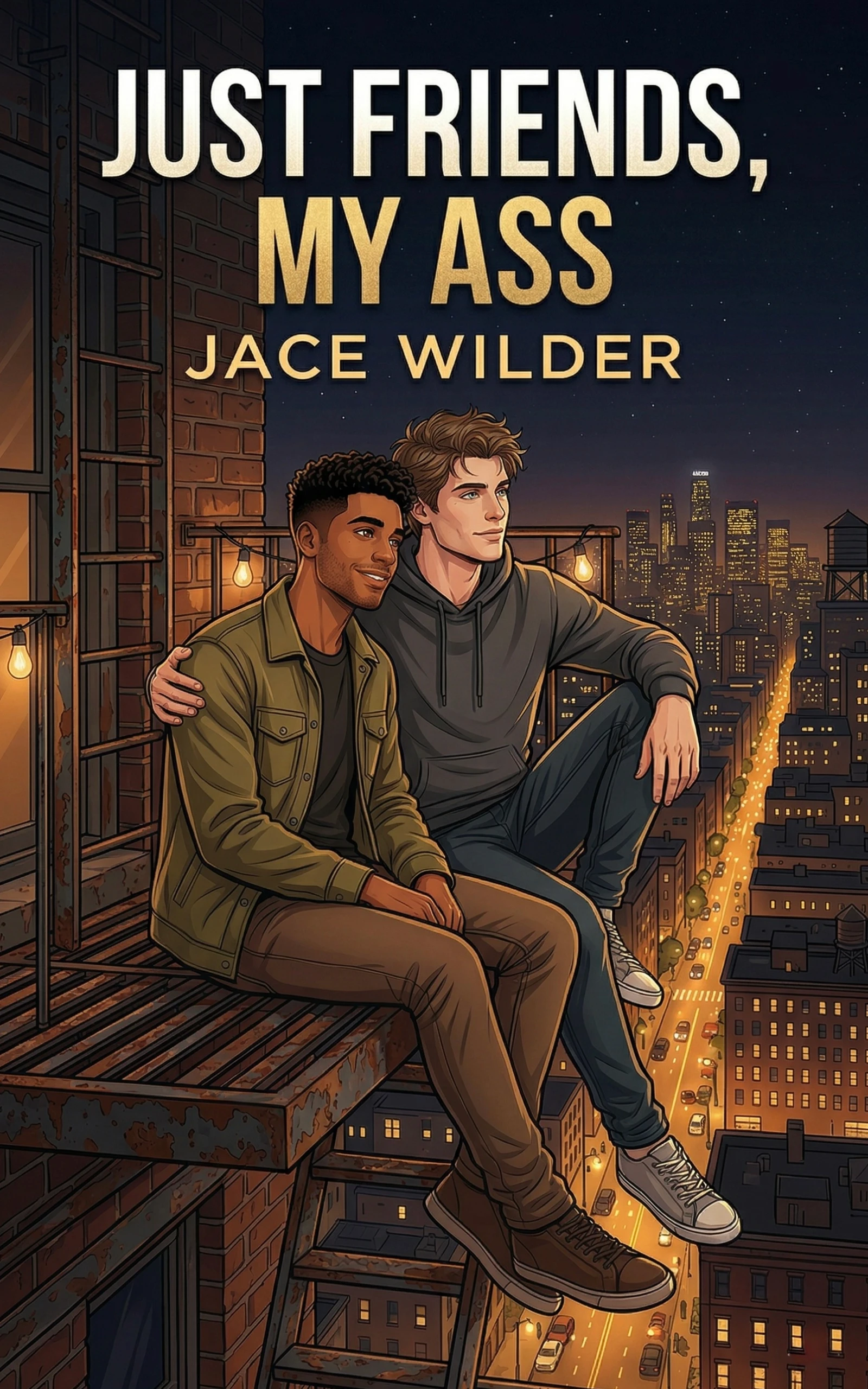
He said “goodnight” every night for thirteen years. He meant “I love you” every time. Alex Morgan has been in love with his best friend Jamie since high school. He has never said a word. Instead he has spent thirteen years drawing Jamie’s face in secret sketchbooks, making his coffee exactly right, and perfecting the art of wanting someone from twelve inches away.
Just Friends, My Ass is the friends-to-lovers book that Boyfriend Material readers have been searching for and not finding: the same slow-built emotional architecture, but with the door wide open. Wilder writes thirteen years of Alex’s containment as a kind of devotion — the kept sketchbooks, the coffee orders, the careful platonic distance — and then drops one drunk night into the structure and lets it collapse. The morning-after scene where neither of them knows what to say is one of the quietest, most ruined things in MM contemporary right now.
The on-page heat is Inferno-tier. Praise kink. Touch starvation. The kind of D/s dynamic that surfaces between two men who have spent a decade pretending. If The Cheat Sheet’s twenty-year mutual pining stayed with you and you wanted the MM version with actual on-page release, Alex and Jamie are the answer. Read chapter one →
Drafting the Heat — Jace Wilder (M/M, Inferno Heat)
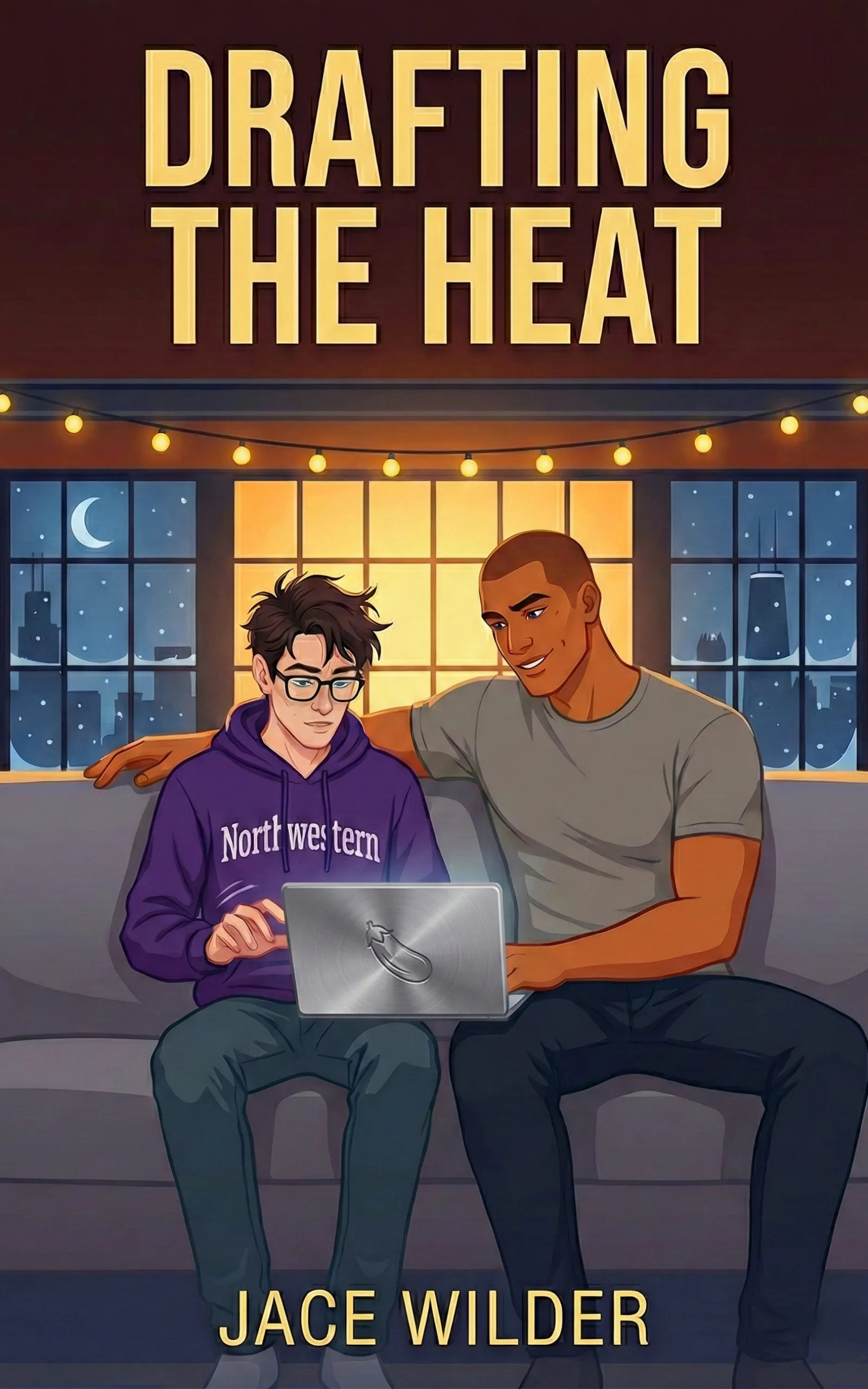
Julian Vane is a romance novelist who can’t write desire — his latest manuscript reads, his editor says, like “a WikiHow article with kissing.” Four years of writing romance and he’s never actually felt any. His best friend and roommate of seven years, Marcus, hears this and offers, in passing, to teach him. As research. The premise is structurally insane and Julian agrees instantly.
Drafting the Heat is the bi-awakening friends-to-lovers book that the genre has been quietly desperate for. Wilder doesn’t treat the awakening as a punchline; Julian’s discovery that he’s been writing about desire for four years without recognizing what desire feels like in his own body is the actual emotional spine of the book. Marcus is the patient teacher and the wreck underneath. The size-difference dynamic and the praise kink build over a hundred and ten thousand words of “research sessions” that progress from awkward to ruinous.
Heat-wise: Inferno. The on-page work is unflinching, the emotional work is more careful. For Charm Offensive readers who wanted Charlie and Dev’s intimacy with the door fully open and a decade of friendship underneath. Read chapter one →
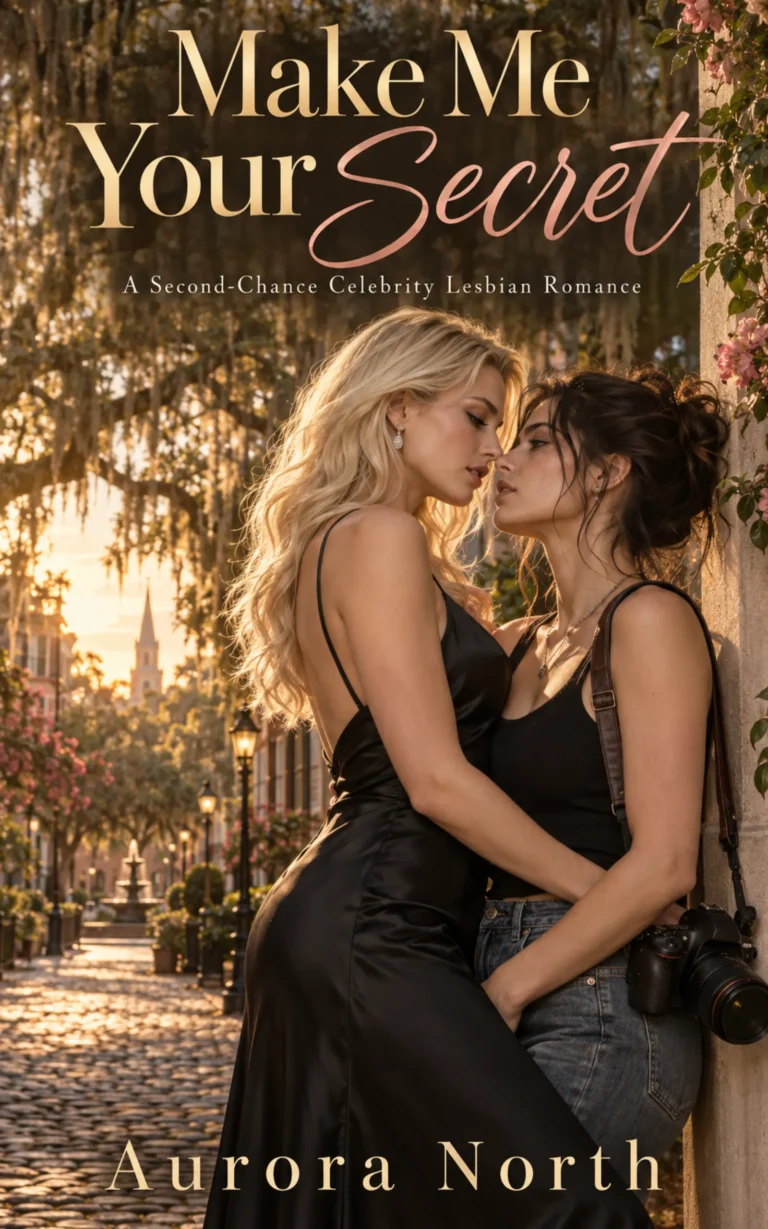
Her Best Friend’s Wedding — Aurora North (F/F, Inferno Heat)
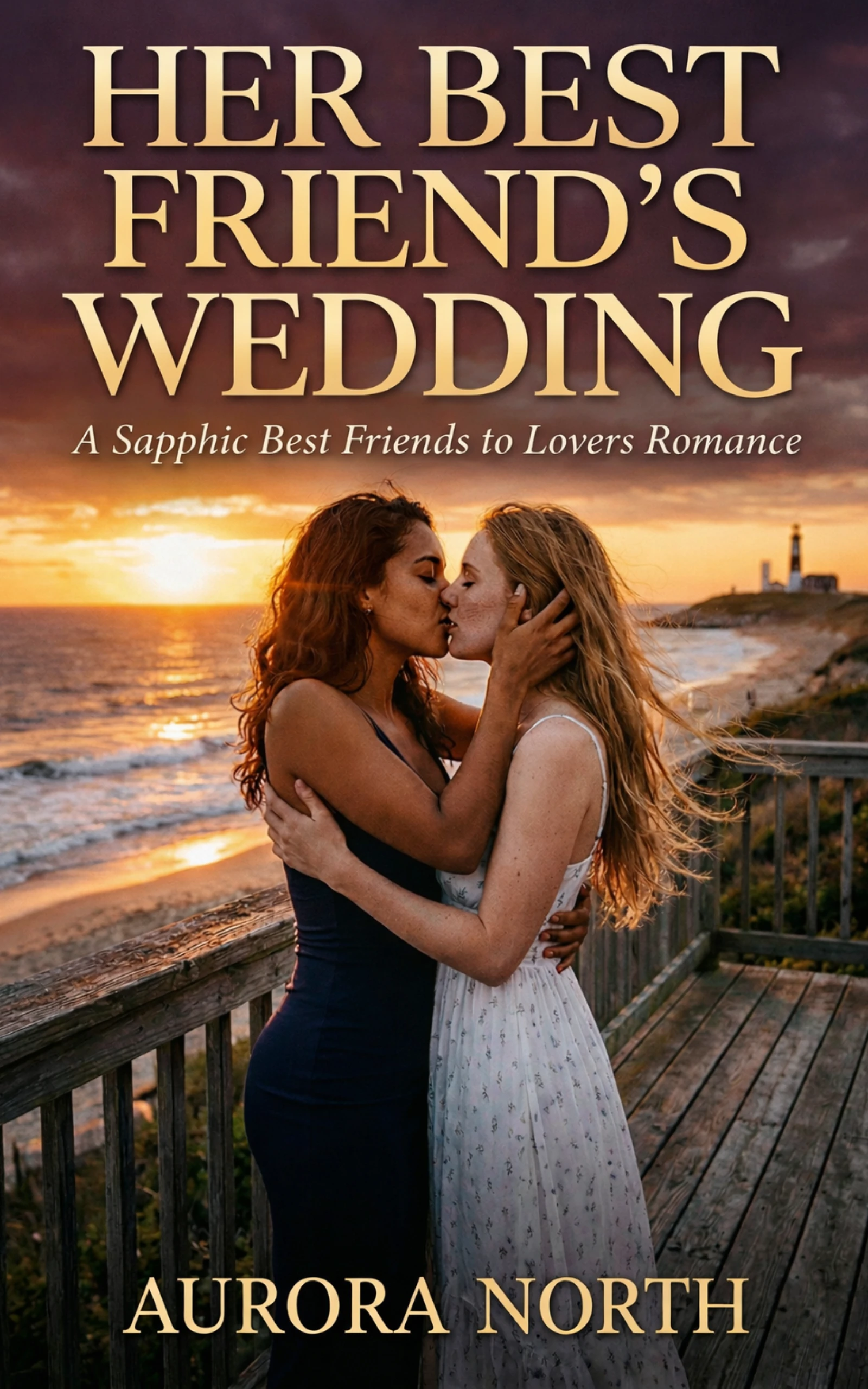
Tasha Bell has been in love with her best friend Maya for thirteen years. She has never said a word. Now she’s planning Maya’s wedding — to someone else. The man is fine. The dress fits. The venue is reserved. Tasha is the maid of honor. Tasha is also losing her mind. Then the wedding party books a country house for the bridal week and there is, as one might expect, only one bed left over.
Her Best Friend’s Wedding is the gut-punch entry on this shelf. Aurora North’s slow-burn-into-Inferno style was designed for this exact premise: thirteen years of forbidden pining, one wedding week, an entire wedding party watching, and a sapphic awakening that detonates in the worst possible week of either woman’s life. The forced-proximity stakes are real — every chapter is one day closer to Maya’s wedding — and the closed-door scenes Aurora North writes once Maya finally cracks are some of the most emotionally and physically charged sapphic content on Kindle Unlimited.
If you read PWMOV and wished it had a higher emotional cost, a sapphic pairing, and on-page heat that earned the decade of waiting — this is the indie KU answer. Read chapter one →
Roomie Roulette — Aurora North (F/F, Inferno Heat)
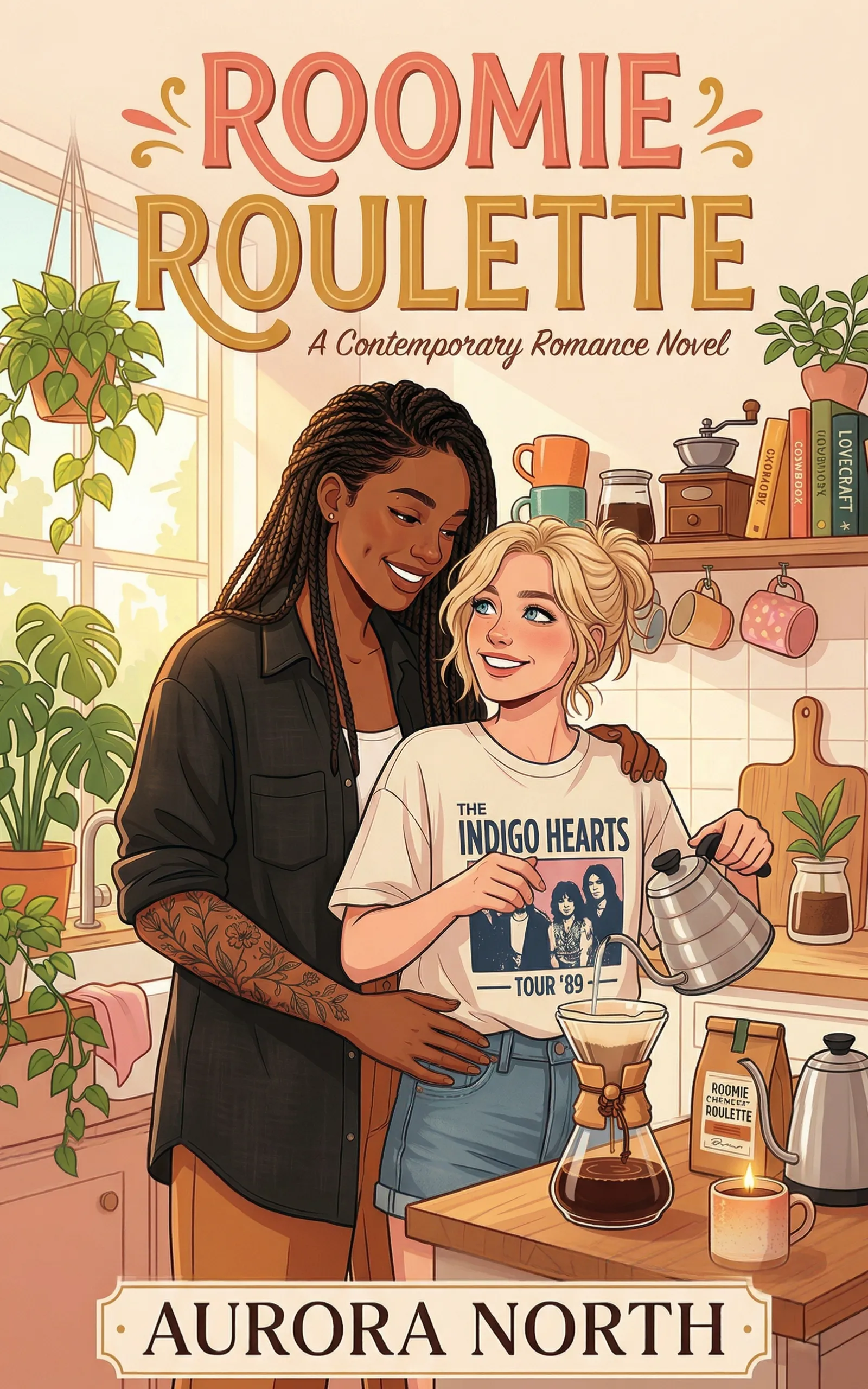
Kylie Bennett is twenty-seven, freshly dumped, and crashing in her best friend Jordan’s spare room until she gets her life together. The plan: one month, no drama, find an apartment, leave. The problem: Jordan is gay, Jordan is gorgeous, the walls are thin, and Kylie — who has assembled twenty-seven years of evidence that she is straight — is starting to revise her entire dataset.
Roomie Roulette is the bi-awakening friends-to-lovers book where the awakening is not a side plot but the engine. Aurora North writes Kylie’s slow re-evaluation of her own desire with patient honesty — the small noticing, the panicked reframing, the night she hears Jordan in the next room and can’t pretend anymore — and Jordan’s careful, tattooed, knowing-but-waiting presence is the perfect counterweight. The forced-proximity escalation through one month of “platonic” cohabitation builds to an Inferno-tier closed-door scene that earns every chapter.
For Cheat Sheet readers ready to discover the sapphic version of mutual pining — and for any reader who’s ever asked “what if my college best friend?” and not wanted to follow the thought. Read chapter one →
The “Straight” Brides — Aurora North (F/F, Inferno Heat)
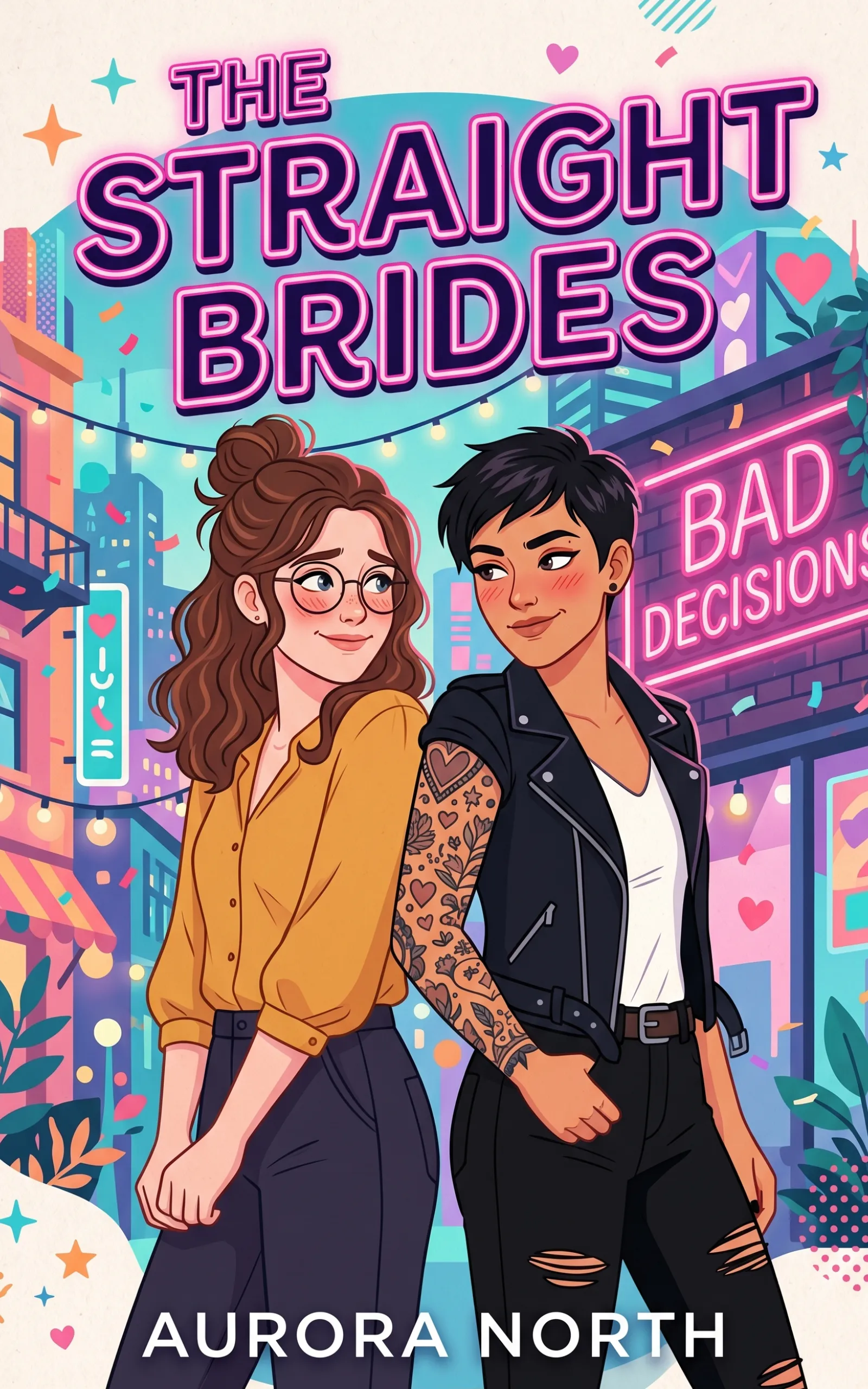
Lauren “Lo” Hayes has a plan for everything: career, debt, Tuesday meal prep. What she doesn’t have is a spouse — and her grandmother’s trust fund requires one. Enter Cara Simms: Lo’s chaotic, tattooed, chronically broke best friend who needs twelve thousand dollars for grad school and has zero shame about cashing in on a marriage of convenience with the woman she’s known for ten years. They get married Friday. They move in Saturday. The first kiss is for the lawyer. The second kiss is on Tuesday and is not for the lawyer.
The “Straight” Brides is best-friends-to-lovers-via-marriage-of-convenience, and Aurora North handles the dual bi awakening with rare patience. Both women have spent a decade certain about themselves. The fake marriage is the device that opens the question. The slow conversion of “platonic spouse” into “actual spouse” through shared mornings, reluctant tenderness, and one-bed-by-accident proximity is the entire engine. The Inferno-tier on-page work happens late and lands hard.
If you wanted the marriage-of-convenience trope with friends-to-lovers spine and a sapphic payoff, this is the cleanest indie KU pull on the shelf. Read chapter one →
Cat Café Confessions — Aurora North (F/F, Inferno Heat)
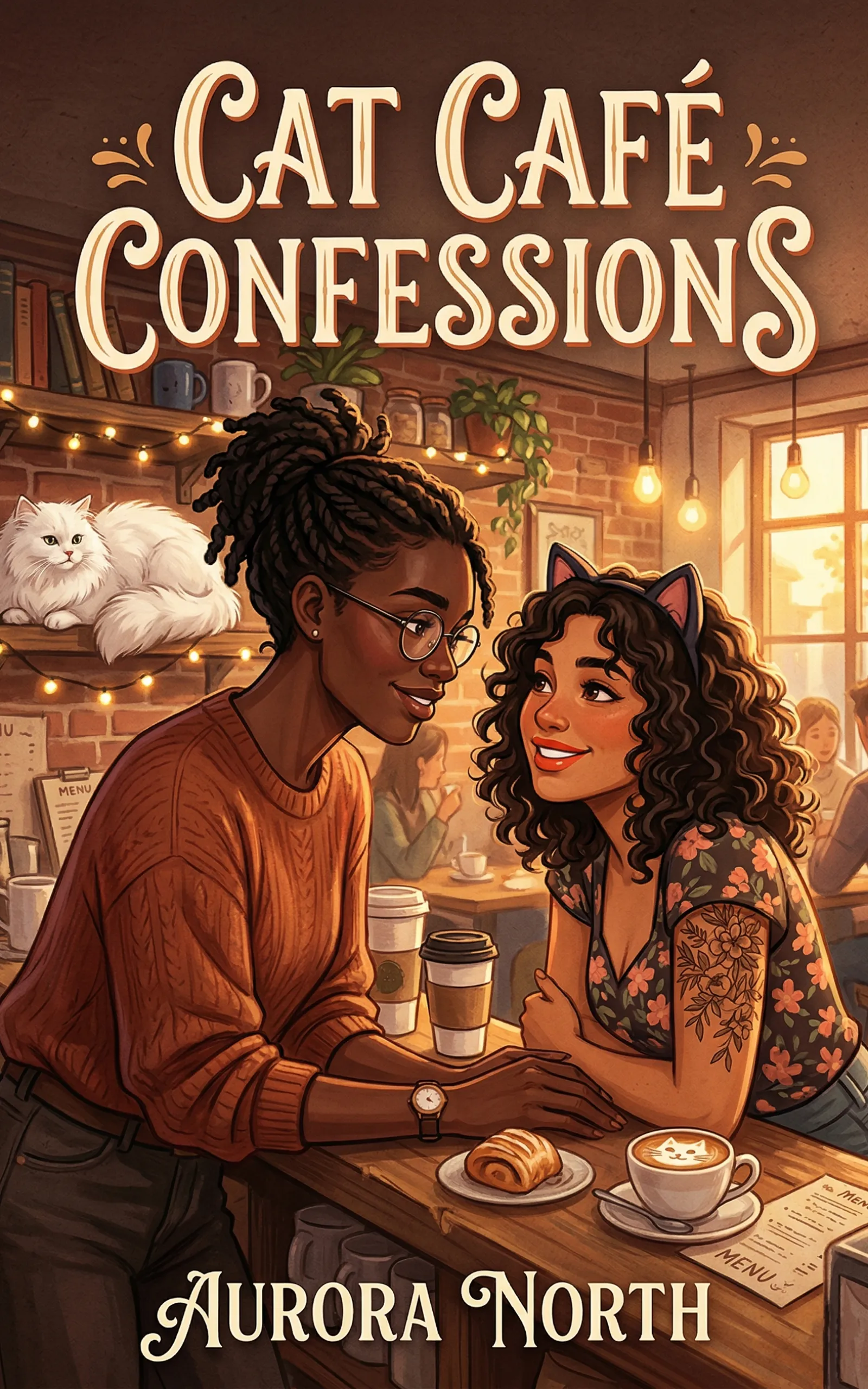
Talia Monroe is the overworked co-owner who handles the books, the permits, and the panic attacks. Imogen “Immy” Vega is her best friend, business partner, and roommate. They opened a cat café together. They drank too much the night before opening day. They hooked up. They have agreed, since, that it didn’t happen. They have also agreed that the next time Immy calls Talia “good girl” in a customer service voice, the agreement is going to require renegotiation.
Cat Café Confessions is the friends-to-lovers book where the friends are also business partners, also roommates, also each other’s emotional infrastructure, and also pretending that one extremely specific night did not happen. Aurora North writes the post-hookup denial as its own slow burn — every chapter another small moment where Talia almost says it, every chapter Immy escalates the praise-kink banter another notch — and the cat-café setting gives the book a low-key small-business stress register that grounds the heat.
The closed-door scenes once the agreement collapses are Inferno-tier and the emotional resolution between two women who built a life together before they knew they were building a life together is what most friends-to-lovers books promise and rarely deliver. Read chapter one →
Why Friends-to-Lovers Hits So Hard
Every romance trope has a specific reader fantasy underneath it. Enemies-to-lovers is the fantasy of being seen by someone who’s been paying attention to you for the wrong reasons until they realize they’re the right ones. Forbidden is the fantasy of wanting something so badly the structural cost stops mattering. Bully romance is the fantasy of cruelty turning into devotion in the same person.
Friends-to-lovers is the fantasy that the love of your life has been there the whole time — and that the universe is going to be merciful enough to let you finally figure it out before it’s too late.
That’s the emotional structure. Years of accumulated specificity. They know how you take your coffee. They’ve held your hand at the funeral. They’ve seen the worst version of you and stayed. The romance, when it finally surfaces, isn’t a discovery — it’s a recognition. The thing that was always there finally getting named.
The reason it has the slowest-burn reputation in romance is because the slow burn is structural. You can’t shortcut a decade of friendship. You can’t speed-run mutual pining. The whole appeal is the long accumulation, the years of Tuesdays, the careful platonic management that finally cracks. Authors who try to compress this into a 200-page romcom usually fail. The trope wants weight.
The other thing friends-to-lovers gets right that the genre too rarely gives readers: the assurance that the love interest is a real person. Not a billionaire fantasy. Not a hot stranger with no friends and no schedule. An actual person whose Tuesday morning the protagonist has been part of for years. The fantasy isn’t the meet-cute. The fantasy is the dailiness — and finally getting to keep it.
That’s why the trope keeps charting. It isn’t escape from real life. It’s the version of real life where the person paying attention to you the whole time turns out to also be in love with you the whole time, and the years didn’t go to waste.
Frequently Asked Questions
What’s the best friends-to-lovers romance book?
The most-recommended trad-pub gateway is People We Meet on Vacation by Emily Henry — it’s the structural masterclass that every other friends-to-lovers comp is in conversation with. For sapphic friends-to-lovers with on-page heat, Aurora North’s Her Best Friend’s Wedding (free with Kindle Unlimited) is the indie pick most readers go to next. For MM, Just Friends, My Ass by Jace Wilder is the thirteen-year-mutual-pining benchmark.
Are friends-to-lovers books usually slow burn?
Almost always. The trope’s emotional architecture depends on accumulated familiarity — readers want to feel the years of platonic management before the wall breaks. Books that compress this into a quick-paced romance usually disappoint friends-to-lovers fans. The slow burn isn’t a stylistic choice; it’s the structural requirement of the trope.
What’s the difference between friends-to-lovers and best-friends-to-lovers?
Best-friends-to-lovers is the higher-stakes subset where the two characters are each other’s primary platonic relationship before the romance — losing the friendship is a real risk. General friends-to-lovers can include longtime acquaintances, friend-group friends, or people whose lives overlap without being central to each other. The Cheat Sheet, Just Friends My Ass, and Her Best Friend’s Wedding are best-friends-to-lovers; The Charm Offensive and Beach Read are looser friends-to-lovers.
Are there spicy friends-to-lovers books on Kindle Unlimited?
Yes — the indie KU shelf is where high-heat friends-to-lovers actually lives. The six Fractal Enigma titles featured above (Just Friends My Ass, Drafting the Heat, Her Best Friend’s Wedding, Roomie Roulette, The “Straight” Brides, Cat Café Confessions) all run Inferno-tier on-page heat with friends-to-lovers spines, and all are free with Kindle Unlimited.
What’s a good MM friends-to-lovers romance?
Trad-pub gateway: Boyfriend Material by Alexis Hall and The Charm Offensive by Alison Cochrun — both fake-dating-to-friends-to-lovers with strong emotional architecture and moderate on-page heat. Indie KU with Inferno heat: Just Friends, My Ass and Drafting the Heat, both by Jace Wilder, both featured above.
This post contains Amazon affiliate links. As an Amazon Associate, Fractal Enigma earns from qualifying purchases at no extra cost to you.