
Best STEMinist Romance Books — If You Loved Ali Hazelwood, Read These Next (2026)
You finished The Love Hypothesis and walked around for three days thinking about Adam Carlsen’s hand on Olive’s lower back. You read Bride and underlined every sentence where Lowe Moreland forgets how to breathe. You DNF’d a romance because the heroine called herself a “girl boss” instead of doing actual work.
Welcome to the STEMinist romance shelf — where the heroines are PhDs, engineers, neuroscientists, cybersecurity CEOs, and chaotic frontend developers, and the love interests are the only people in the room who can keep up with them. Ali Hazelwood didn’t invent this. She made it the search term. And 2026’s Kindle Unlimited shelves are stacked with the brainy, competence-fueled, slow-burn-into-actual-heat romances readers wanted but couldn’t find before.
Below: the five Hazelwood-tier comps that built the subgenre, the four indie KU titles that take the formula somewhere darker, hotter, and queerer, and a faster way to figure out which one’s next on your TBR.

The Love Hypothesis — Ali Hazelwood
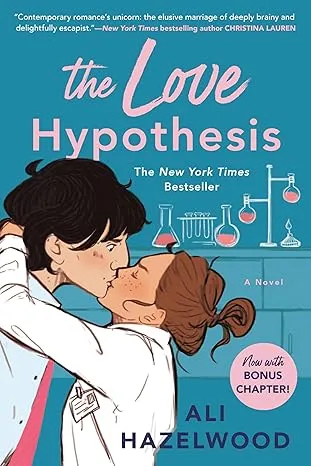
The book that named the genre. Olive Smith is a third-year PhD candidate at Stanford with a cancer-research dissertation, an ex-boyfriend complication that pushes her into planting a fake-relationship lie in the lab, and a 6’5″ professor named Adam Carlsen who decides — with absolutely no warning — to play along.
What Hazelwood gets exactly right is the waiting. Olive and Adam are both adults with careers, schedules, conferences, careers to lose. They’re not throwing themselves at each other in chapter four. They’re sharing meals. Taking the same flight to Boston. He’s reading her dissertation. She’s noticing his hands when he writes. The slow burn isn’t a delay tactic — it’s the architecture, and when the wall finally comes down, the hotel-room scene is one of the most-screenshotted moments in modern romance for a reason. He’s been holding back for the entire book. When he stops holding back, he stops holding back about everything.
If you want the Hazelwood prototype with all the grad-school anxiety dialed up — funding fears, lab politics, imposter syndrome wrestling — this is still the post-2020 STEM romance ceiling. The sequels broaden the universe, but Olive and Adam are the ones who taught Kindle Unlimited what “smart girl finally lets herself want something” reads like.
The Hating Game — Sally Thorne
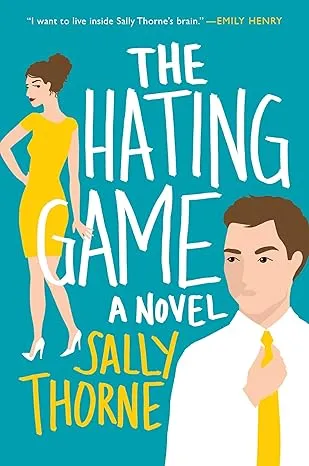
Yes, technically The Hating Game is publishing not STEM. But the DNA is the same and Hazelwood readers eat this book up — it’s the original “smart professional woman who thinks she hates her professional rival until forced proximity teaches her she absolutely doesn’t” template, and it’s been imitated for nine years for a reason.
Lucy Hutton and Joshua Templeman share an office, a shortlist for the same promotion, and a hate-stare game that escalates into things that are demonstrably not hate. What makes this still-the-comp-everyone-pulls is Thorne’s precision about workplace tension. Every glance is loaded. Every petty slight is a love letter. The infamous elevator scene rewired thousands of readers’ tolerance for “but we’re at work.” And the moment when Joshua pulls Lucy out of the bathroom hallway and finally — finally — stops being polite is still in the top three first-kiss scenes in mainstream romcom.
It’s a useful gateway for STEMinist readers because Lucy is competent, Lucy is funny, and Lucy is not punishing herself for wanting him. The professional setting raises the stakes; the heat earns the slow burn. If your Hazelwood phase is winding down and you want something with sharper banter and a faster on-page payoff, this is the next one.
Book Lovers — Emily Henry

Nora Stephens is a cutthroat NYC literary agent who reads markup language for fun and considers small-town vacations a mild personal insult. Charlie Lastra is the editor she’s professionally sparred with for years, and the man she runs into — repeatedly, miserably — when her sister drags her to a tiny North Carolina town for a sisters’ summer.
What Book Lovers does that other forced-proximity books don’t is refuse to make Nora softer. She doesn’t get a small-town awakening. She doesn’t learn to slow down. She stays sharp, ambitious, professionally dominant — and Charlie is precisely the person who finds that hot. The dynamic Henry built here — two intellectually competitive Type A’s who recognize the other as the only person in any room they can’t out-think — is exactly what Hazelwood readers fall for. The on-page heat is mid-tier compared to indie KU, but the slow build into the bookstore-back-room scene is bookish-romance gold.
Worth noting: Charlie has a stutter under stress, Nora is a workaholic in recovery from no recovery at all, and the side-plot about her relationship with her sister is one of the most quietly devastating things Emily Henry has ever written. STEMinist-adjacent rather than STEM-direct, but the smart-professional-women-who-don’t-apologize-for-it shelf is exactly where this lives.
The Spanish Love Deception — Elena Armas
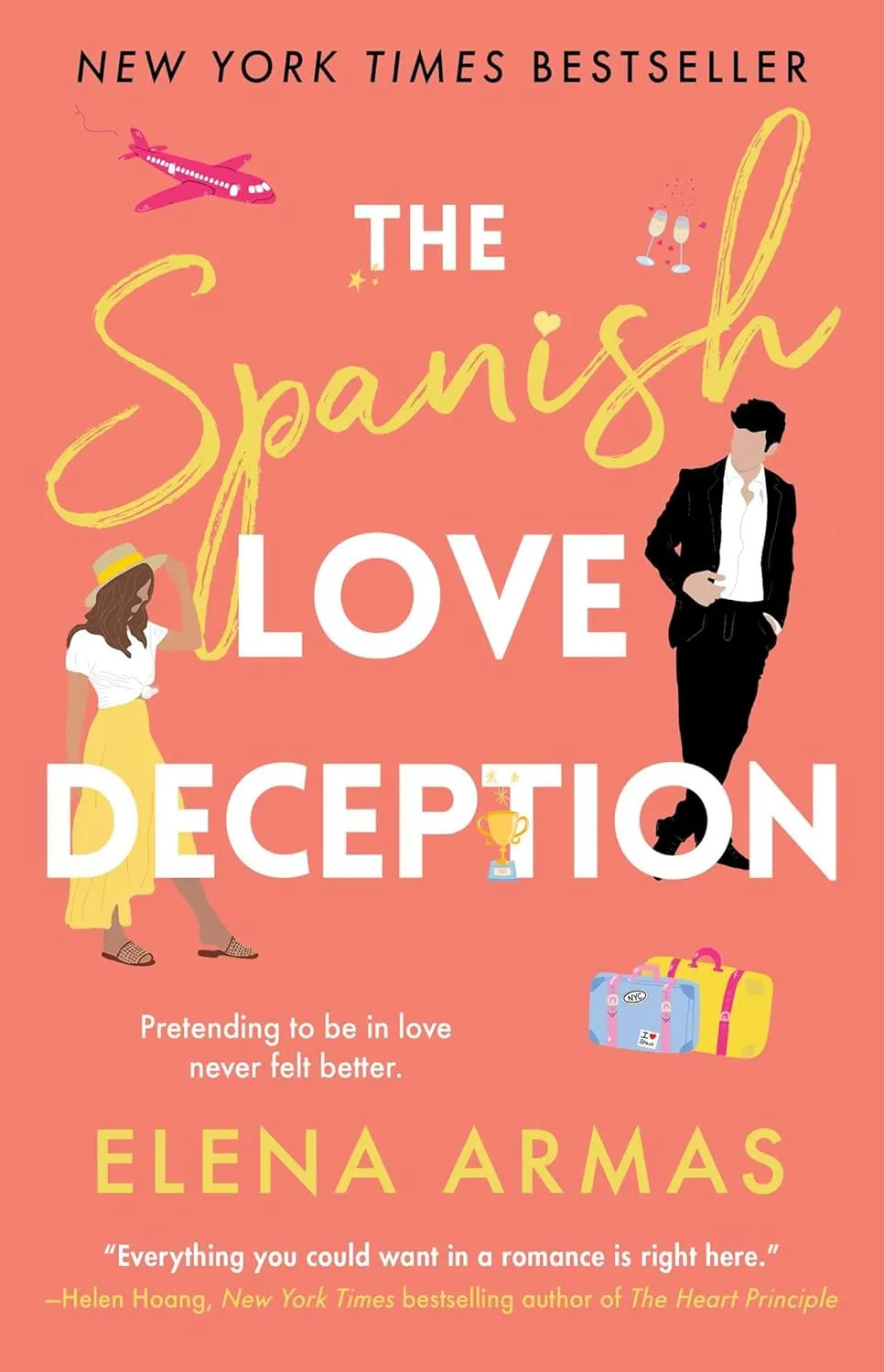
Catalina Martín is a Spanish engineer working in Manhattan with a wedding to attend in Spain, an ex-boyfriend who’s about to marry someone else, and exactly one (1) coworker tall enough to pull off a fake-relationship plus-one without questions. Aaron Blackford is the colleague she’s hated for two years. He volunteers immediately. The flight is long.
Spanish Love Deception is fake-dating plus workplace plus forced-proximity plus slow-burn-into-genuinely-spicy, and it’s the Hazelwood-adjacent comp that goes hardest on heat. The trans-Atlantic flight setup, the family wedding pretending, the four hours of solo drives across the Spanish countryside — Armas builds an entire structure designed to give Catalina and Aaron nowhere to run from each other, and when the slow burn finally cracks, it cracks in a hotel-room scene that’s been recommended to the Hazelwood subreddit roughly nine thousand times.
Catalina is a real engineer. She talks about her work, her impostor syndrome, her conflicts with her boss. The professional scaffolding is real. The fake-dating is the trope; the engineering is the spine. If you wanted The Love Hypothesis to commit harder to on-page heat, this is the one.
Fight or Flight — Samantha Young

Ava Breevort gets stranded in a Phoenix airport, picks the wrong fight with a Scottish stranger, and gets punished for it by being seated next to him in first class for nine hours. Caleb Scott is rude, gorgeous, professional in a way that suggests money he didn’t inherit, and apparently incapable of letting a single thing she says go unchallenged.
This is the loose comp on the list — Ava is a professional but she’s a costume designer, not a STEM heroine — but Fight or Flight earns its place because it nails the “smart, sharp-tongued woman colliding with the only man brilliant enough to keep up” energy that Hazelwood readers hunt down. Caleb is a businessman with the kind of crisis-mode competence that reads as STEM-adjacent. The forced-proximity flight setup is exquisitely managed. And Young — a long-time veteran of contemporary romance — writes adult conversations about consent, professional ambition, and class anxiety better than ninety percent of the BookTok shelf.
Fight or Flight goes spicier than the more mainstream comps on this list and gives you a hero who actually communicates. If “I want a Hazelwood heroine with a sharper tongue and an actual fight in her” is the spec, Ava Breevort is the answer.
Indie KU STEMinist Romance — Where the Genre Goes Hotter
Here’s the thing the Hazelwood corner doesn’t give you, no matter how many sequels Penguin Random House publishes: a heroine in tech.
Hazelwood writes academia. Henry writes publishing. Thorne writes a creative agency. Armas writes engineering, but adjacent — the engineering is the heroine’s identity, not the room she’s working in. None of these books actually let you hang out in a server room at 2 a.m. while a brilliant, exhausted woman tries to keep someone with a laptop from breaking everything she’s built.
Kindle Unlimited has the books that do.
The four below are indie titles built for readers who want the Hazelwood smart-woman framework cranked up — more on-page heat, more queer pairings, more time in actual STEM rooms, and zero concessions to the fade-to-black mainstream. Each one is free with Kindle Unlimited.
Zero Day — Aurora North (F/F, Inferno Heat)

Helena Frost is the CEO of Citadel Systems — Manhattan’s most elite cybersecurity firm. She built it from the wreckage of her mother’s failure and runs it like a tactical operation, and she has not let a single person past her professional armor in fifteen years. Then Kit walks into her boardroom in combat boots, hands her a USB drive, and explains that she’s already inside Helena’s network. Kit broke in as a contractor demonstration. The board hires her on the spot. Helena does not say one word.
What Aurora North does in Zero Day that Hazelwood doesn’t go near is commit to the power dynamic. Helena is an Ice Queen — the actual archetype, sharp-suited and silver-streaked and nearly forty — and Kit is the chaos agent who decides on day one that she’s going to be the person Helena finally lets in. The slow burn is excruciating in the best way: late-night office work, contained touches, escalating eye contact across conference tables, then a closed-door moment that breaks the entire structure. The competence kink is the engine, the suit kink is the seasoning, and the on-page heat once the wall comes down is genuinely filthy in a way KU rarely permits sapphic to be.
If The Love Hypothesis was a slow burn that taught you to wait, Zero Day is what happens when the woman finally stops waiting. Read chapter one →
Penetration Testing — Jace Wilder (M/M, Inferno Heat)
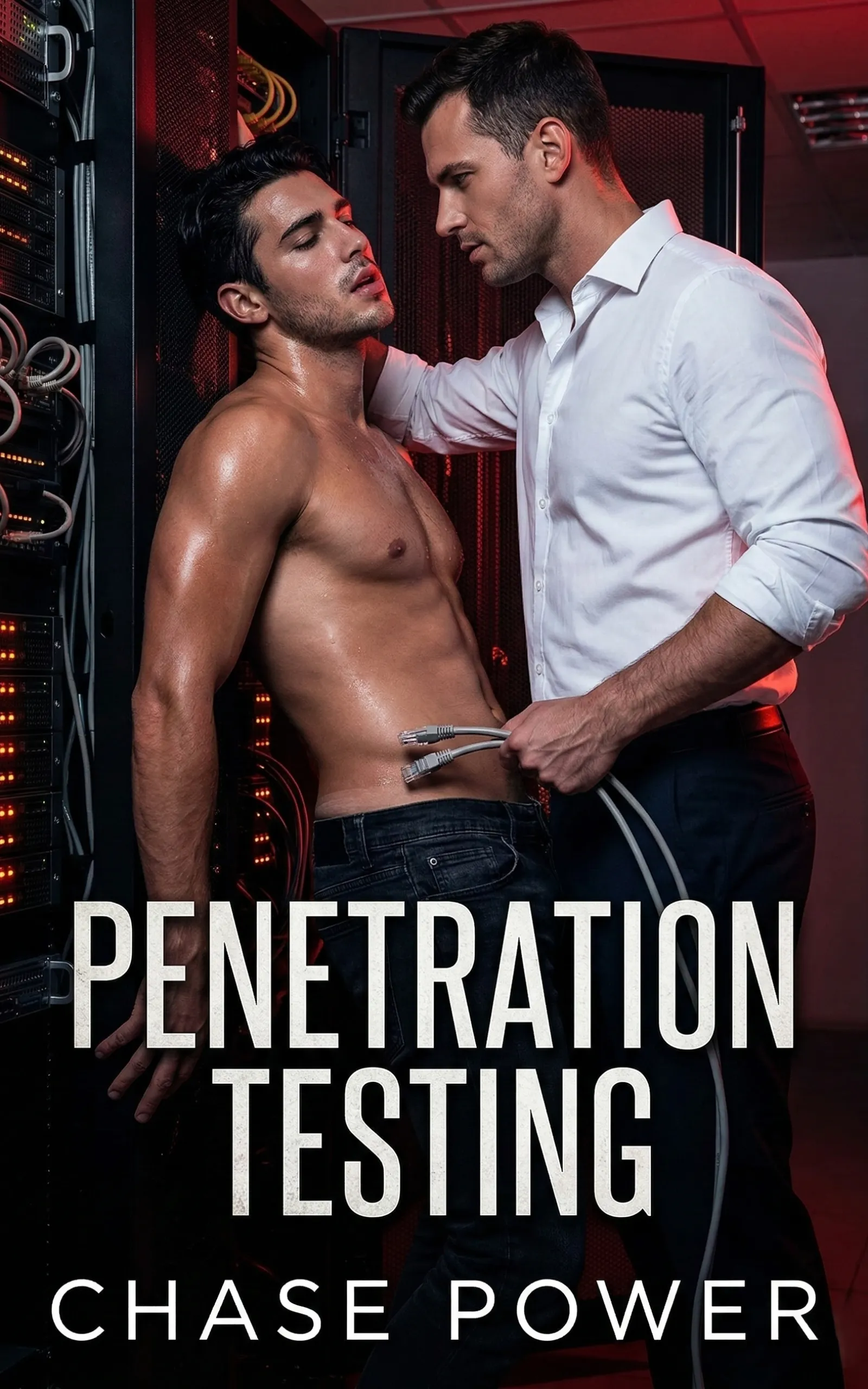
Silas Vance is the best penetration tester in the industry — cold, controlled, precise — hired to crack a network that the system’s architect, Julian Thorne, swears is impenetrable. They start the engagement on opposite sides of a glass conference room, both very smug, both very wrong about how this goes. Then a real cyber threat hits and the contract job becomes a forty-eight-hour two-man war room with a pull-out couch and a coffee maker that doesn’t work.
Penetration Testing is what STEMinist romance looks like when the field is rivals and the bedroom is the same. The tech is real — Wilder writes the protocols, the social-engineering pivots, the 4 a.m. break-fix conversations like he’s worked the job — and the romance reads with the same brain-on intelligence. Silas and Julian don’t soften for each other. They sharpen. The D/s dynamic surfaces inside their working rivalry rather than outside it: control surrendered between people who never surrender to anyone. When the on-page heat finally lands, it’s earned the way Hazelwood’s hotel scene is earned — through forty-eight hours of two brilliant people refusing to look away first.
For Hazelwood readers ready to swap the lab for the server room and the het slow burn for an MM rivalry that won’t play nice. Read chapter one →
Backend Developer — Chase Power (M/M, Scorching Heat — Novella)

Dominic Vance is a control-freak CEO who wears three-piece suits, runs Vance Financial like a fortress, and just had his network hacked in under five minutes by a contractor he’s now legally obligated to keep on retainer. Cody is the chaos agent on his mahogany desk eating bagels while explaining what Dominic’s IT team failed to catch. The breach was supposed to be a one-off. The contract becomes ongoing. They develop a problem.
Backend Developer is the novella entry on this shelf — shorter, sharper, faster to the heat — and it’s a gift for STEMinist readers who want the Hazelwood control-freak-meets-chaos dynamic in MM compressed format. Power writes Dominic with the specific brand of cold competence Hazelwood fans recognize from Adam Carlsen, then drops a chaotic hacker in his office with no respect for any of his rules. The dynamic explodes in roughly forty thousand words. The age-gap and grumpy/sunshine elements braid together. The closed-door scene on the desk is the fastest “professional control completely lost” scene KU has on offer this year.
A gateway novella before you commit to the longer titles — and a perfect “I have ninety minutes and want a hacker breaking a CEO’s brain” KU pull. Read chapter one →
Power Play — Aurora North (F/F, Inferno Heat)

Two cutthroat female executives. One CEO seat. Zero chance of keeping their hands off each other.
Elena Rossi is a VP of Marketing with a twelve-year career plan, a Valentino armor collection, and an insomnia problem she hides with concealer and espresso. She controls everything — her image, her career, her orgasms. Letting another woman take any of that away from her is not on the spreadsheet. Then she gets named to the same shortlist as the rival exec she’s been measuring herself against for the last six years, and the corner office becomes a battlefield. Forced proximity. Forced collaboration. Forced eye contact. Eventually forced acknowledgement that the rivalry was never about the seat.
Power Play is enemies-to-lovers in the Hating Game tradition — workplace tension, professional ambition, two people who can out-strategize each other and finally have to stop — but with Aurora North’s signature Inferno-heat F/F payoff that mainstream sapphic romance still won’t write. The competence kink, the dominant-woman dynamic, the slow surrender of control between two women who built their lives on never surrendering: it’s everything Hazelwood readers say they want from rivals-to-lovers and rarely get on-page.
If The Hating Game cracked you open and you’ve been waiting for someone to give you the same dynamic between two women who know exactly what they’re doing — this is it. Read chapter one →
Why STEMinist Romance Hits So Hard
The label “STEMinist” gets thrown around like it’s just a marketing tag. It’s not. It’s diagnostic of a specific reader hunger that mainstream romance ignored for decades.
For thirty years, “smart professional woman” in romance was code for “lawyer or doctor and we don’t actually want to spend any time at her job.” She had a career, sure, but the career was scaffolding for the meet-cute. The actual content of what she did — the work, the politics, the failure modes, the daily-grind detail — got handwaved because publishers were convinced women didn’t want to read about women working. They wanted to read about women dating.
Hazelwood and the wave that followed her proved the opposite. STEMinist romance treats the heroine’s profession as part of her identity — and therefore part of the romance. Olive’s research isn’t a backdrop; it’s the conflict. Catalina’s engineering work isn’t filler; it’s the spine. Helena Frost’s cybersecurity firm in Zero Day isn’t a setting; it’s the reason she can’t trust anyone, which is why Kit getting past her defenses matters.
The other thing STEMinist romance gets right: the heat. The genre’s slow burn isn’t a fade-to-black concession — it’s the structure. These are women who control everything in their work lives. The fantasy isn’t being swept off their feet; it’s choosing, with their entire brain online, to let one specific person past the firewall. The on-page heat hits harder because it’s earned at the level of identity. She’s not a smart girl yielding. She’s a smart woman deciding.
That’s why “books like Ali Hazelwood” became a search term in the first place. And it’s why the indie KU shelf — less constrained by trad-pub heat ceilings, more willing to let queer pairings and Inferno-tier scenes coexist with PhD plotlines — is where the genre is currently doing its best work.
More STEMinist Reading
Obsessed with the Adam Carlsen hero type specifically? STEMinist Romance Heroes Like Adam Carlsen breaks down the grumpy-brilliant-secretly-soft archetype and where to find more of it across Hazelwood’s catalog and indie KU.
Frequently Asked Questions
What does STEMinist romance mean?
STEMinist romance is contemporary romance with a heroine working in science, technology, engineering, or mathematics — where her profession isn’t just background but actively shapes the romance. The term is used most commonly to describe Ali Hazelwood’s books and the wave of similar titles that followed The Love Hypothesis (2021).
Are Ali Hazelwood books explicit?
Hazelwood’s main novels are generally moderate to mid-spice — slow-burn structures with on-page sex scenes that arrive late in the book and stay relatively understated. Readers wanting harder heat with the same smart-professional-heroine framework should look at indie KU titles like the four featured above, where Inferno-tier on-page content is standard.
What’s the difference between STEMinist and workplace romance?
Workplace romance covers any pairing that meets at work — boss/employee, coworkers, rivals, professional taboo. STEMinist is a subset where the heroine specifically works in a STEM field and the technical work itself is a meaningful part of the story. All STEMinist romances are workplace romances; most workplace romances are not STEMinist.
Are there sapphic STEMinist romances on Kindle Unlimited?
Yes — Aurora North’s Zero Day and Power Play (both F/F, both featured above) are the cleanest comps for readers who want the Hazelwood smart-professional-heroine framework in a sapphic pairing. Both are free with Kindle Unlimited.
What’s a good STEMinist romance for someone who hated The Love Hypothesis?
Most readers who DNF’d The Love Hypothesis cite either the slow on-page heat or the academic-politics scaffolding. For higher heat, try Spanish Love Deception (Armas) or Fight or Flight (Young) on the comp side, or Penetration Testing (Wilder) on the indie KU side. For less academia, Book Lovers (Henry) gives you the smart-professional-rival framework in publishing, and Power Play (North) puts it in corporate marketing.
This post contains Amazon affiliate links. As an Amazon Associate, Fractal Enigma earns from qualifying purchases at no extra cost to you.





One Comment
Comments are closed.