Books Like Lucy Score & Things We Never Got Over — Small Town Romance With Real Heat (2026)
Small town romance is the trope every reader returns to when the rest of the genre feels like it’s trying too hard. Billionaires get exhausting. Fae courts have rules to memorize. Hockey players keep getting traded. But a man who owns the bar on Main Street, drinks his coffee black, and spends his weekends fixing the porch railing he could pay someone else to fix? That one keeps working. That one keeps charting. That one is why Lucy Score sold a million copies of Things We Never Got Over and the BookTok algorithm hasn’t shut up about it since.
Knockemout is the moment small town romance crossed back over from “perennial subgenre” to “every reader’s TBR.” But Score isn’t the only one writing it well, and the trad-pub shelf isn’t where the genre is currently doing its most ambitious work. The indie Kindle Unlimited shelf is full of small-town romances with sharper heat, more honest blue-collar grit, and the kind of on-page payoff Lucy Score’s gateway titles softly fade away from.
Below: six gateway comps that earned their reputation, six indie KU titles that take the formula somewhere harder, and the answer to “what do I read next when I’m done with Knox Morgan.”
Things We Never Got Over — Lucy Score
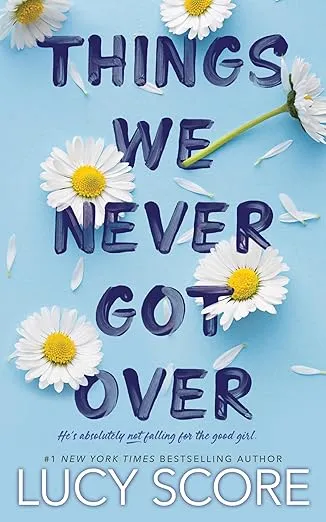
Naomi Witt has been runaway-bride-ing into the wrong life for thirty years and ends up in Knockemout, Virginia, by accident, looking for the twin sister who screwed her over. Knox Morgan is the bearded, surly, dog-owning local bar owner who finds her on the street wearing a wedding dress and decides her problem is now technically also his problem. He doesn’t want to want her. She doesn’t have time for any of this. The dog likes her immediately. That’s how these things start.
What Score gets exactly right is the small-town texture. Knockemout has actual stakes, actual neighbors, actual small-business politics. The diner owner has opinions. The mechanic has a brother. The local cop is in everyone’s business. Naomi can’t disappear into Knox’s orbit without becoming part of an ecosystem — and Knox can’t keep his quiet, isolated bar-owner existence intact once she’s in town. The romance is the engine, but the town is the world.
Heat-wise this is also the spiciest book on the trad-pub side of the small-town shelf. Score writes Knox with actual filthy mouth energy and Naomi with grown-woman desire that reads like she means it. If you’ve been reading sweeter small-town romances and wanted one with on-page bite, this is the gateway. The series continues with Knox’s brother and the local cop and a few more Knockemout residents — but Things We Never Got Over is where it starts.
Get Things We Never Got Over on Amazon →
Beach Read — Emily Henry
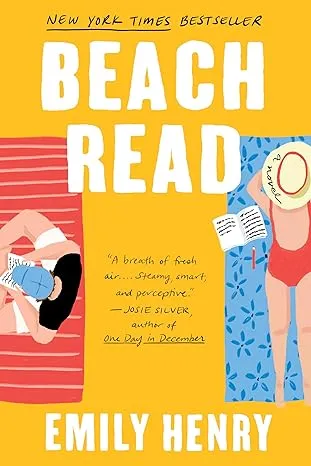
January Andrews inherits a beach house she didn’t know about from a father she’s just buried, in a Lake Michigan town she’s never visited, next door to a literary-fiction-bro classmate she hasn’t spoken to since college. Augustus Everett owns the house next door. He has writer’s block, a dead novel, and an extensive collection of unhelpful flannel shirts. The town has one diner, one ice cream place, and a tourist-season influx neither of them is in any condition to handle.
Beach Read is small town romance via the long way around. The setting isn’t the point — it’s the container — and Henry uses the lake-town isolation the way better small-town authors use it: to force two people who’ve been carefully avoiding each other into the same coffee shop, the same beach, the same back porch every night for an entire summer. The romance gets to breathe. The town becomes a third character. The grief plot, when it lands, hits harder because there’s nowhere to hide from it.
Henry’s heat ceiling stays mid-tier — earnest, well-paced, off-page when it counts — but Beach Read is the small-town comp for readers who want literary register with their slow-burn coastal romance. Pair this with Things We Never Got Over for the full small-town trad-pub experience: Henry’s Lake Michigan summer plus Score’s Virginia winter equals a complete year on the trope.
The Cheat Sheet — Sarah Adams
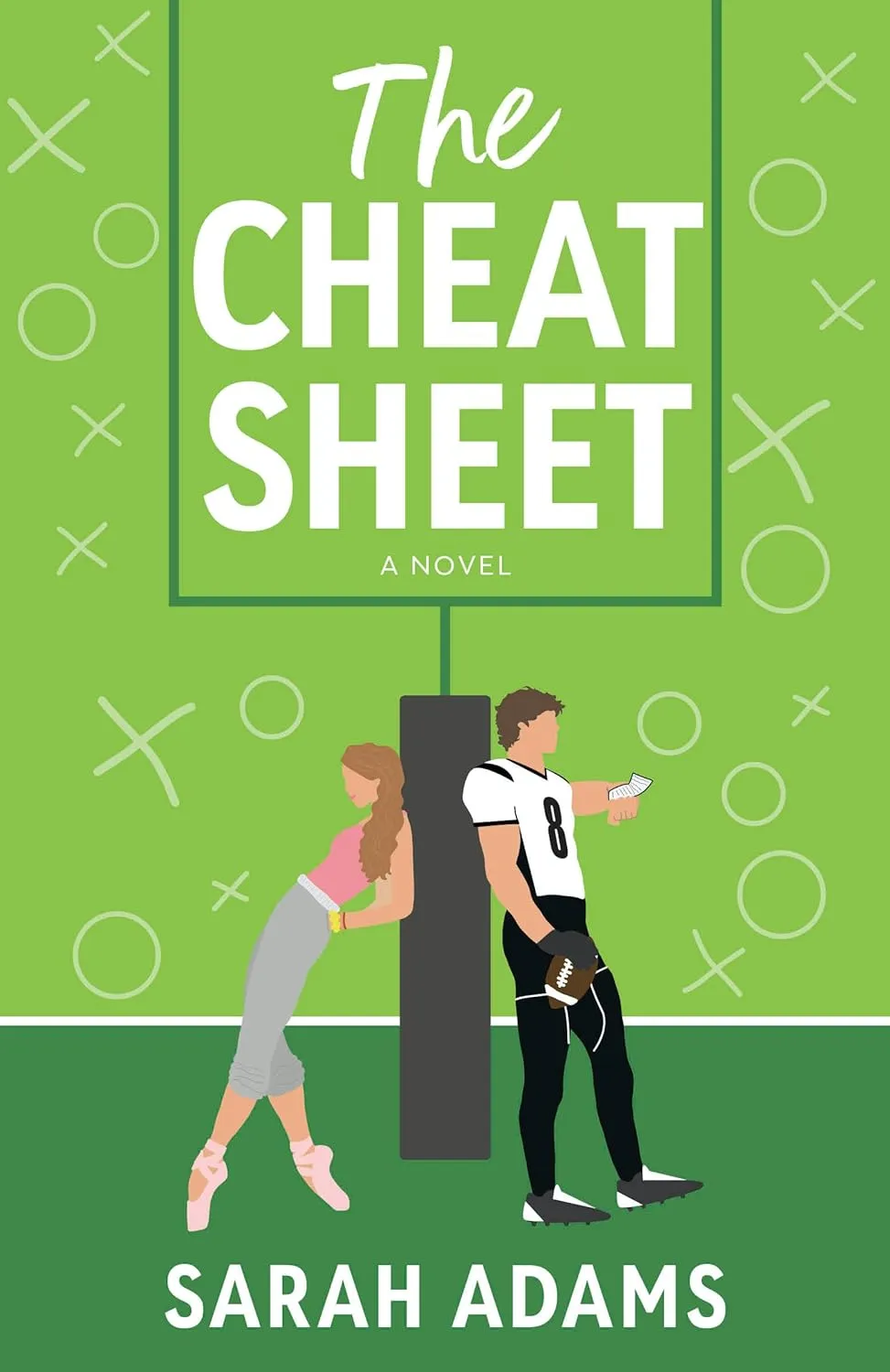
Bree Camden has been in love with her best friend Nathan since the seventh grade. They both still live in the same small town. He’s now an NFL quarterback. She’s a ballet teacher with two roommates. The hometown is the same. The crowd is the same. The mom-pressure to date him properly is annual. They’ve been platonic for twenty years and the math is not in either of their favor.
The Cheat Sheet earns its small-town spot because the town is the device that won’t let either of them disappear from the other. They share a hometown, a friend group, a history that goes back to fourth-grade soccer practice, and the kind of community where everyone has been politely waiting for them to admit it for a decade. The fake-dating B-plot kicks in because Nathan needs a plus-one for a charity gala — but the real engine is the small-town pressure cooker neither of them can escape.
Adams writes hometown texture better than most people write any setting. The grandma’s house, the local diner, the friend group’s group chat — it’s all specific, all lived-in. Heat is mainstream-romcom level. The point is the twenty-year mutual ache and the small-town inevitability. If you wanted a Knockemout-style book with a longer history baked in, this is it.
Get The Cheat Sheet on Amazon →
People We Meet on Vacation — Emily Henry
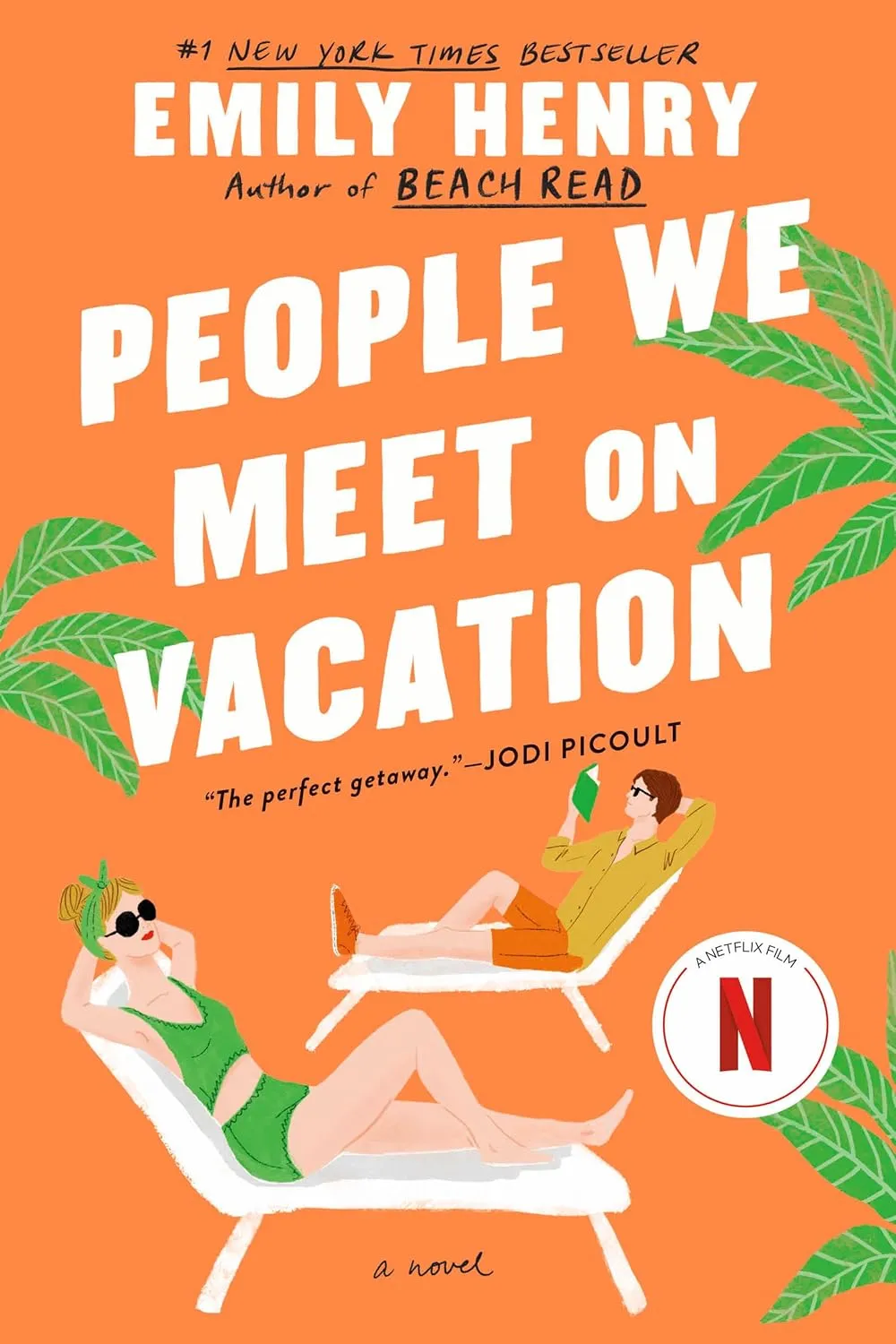
Poppy and Alex have been best friends for ten years. Every summer they take a vacation together. The vacations have included a Vermont B&B, a desert town outside Palm Springs, a cabin in upstate New York, and the small-town beach trip in Sanibel where everything fell apart. Two summers ago, something happened. Neither of them has spoken since. The book is a road trip back through every small town they’ve ever been to together — except this one is meant to fix it.
PWMOV makes this list because the small-town trope is built into its bones. Most of Poppy and Alex’s relationship history happened in tiny rural rentals where they were the only people not from there — and the flashback chapters set in those places are the most specific, most gorgeously textured small-town writing in mainstream romcom. The B&B chapter alone could anchor a whole novel.
Heat stays mostly tasteful — Henry doesn’t break her own ceiling — but the small-town texture is the masterclass. If you’re a Lucy Score reader who hasn’t yet done the Henry pilgrimage, PWMOV is the place to start. The accumulated specificity of a decade of rural summer vacations is exactly the small-town fantasy delivered in flashback form.
Get People We Meet on Vacation on Amazon →

November 9 — Colleen Hoover
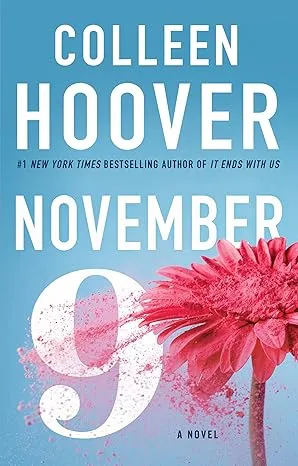
Fallon is moving from Los Angeles to New York the day after she meets Ben. They make a pact: meet once a year, on November 9, at the same restaurant. No phone numbers in between. No social media. Just one day a year for five years and they’ll see what happens.
November 9 is small-town romance via structural sleight of hand — the “small town” is the four blocks around their annual restaurant in LA, the spot they keep returning to, the apartment Ben never quite leaves. Hoover compresses the comfort of the recurring local into a single recurring date, and the result is the same emotional architecture small town romance trades on: ritual, return, the place that means you’re allowed to stop performing and be a person.
Heat-wise it’s classic Hoover — emotionally devastating, mid-tier on-page, with a third-act twist that has been ruining BookTok feeds for years. Not strict small-town romance, but if your love of the trope is really love of the recurring local — the same coffee shop, the same Tuesday — November 9 hits the same emotional button in a different shape.
Birthday Girl — Penelope Douglas

Jordan is nineteen and gets kicked out of her father’s house by his new wife. Her boyfriend’s father, Pike, is a thirty-eight-year-old construction-business owner with a quiet two-story house in a small Pacific Northwest town and an obvious inability to look at her for too long. The small town is the device. The age gap is the engine. The neighbors are watching.
Birthday Girl belongs on this list because the small-town claustrophobia is the source of the heat. Pike and Jordan can’t go anywhere together. Every gas station has someone who knows him. Every coffee shop has a regular. The forbidden is structural — and the structure is the small town. Douglas handles this with the precision of a writer who understands that the trope’s tension comes from being seen.
Heat is high (this is Penelope Douglas — the door is open) and the age gap is twenty years. If your small-town reading list has been vanilla and you wanted one with actual taboo charge, Birthday Girl is the entry point. Pair it with Knockemout for the full “small town does not let anyone get away with anything” experience.

Indie KU Small Town Romance — Where the Door Stays Open
Here’s what the trad-pub small-town shelf will not give you: blue-collar competence, queer pairings, polyamorous cabin Why Choose, and on-page heat that earns the slow build of every Tuesday-night-at-the-diner scene.
Score, Henry, Adams — they all build the texture beautifully. The town has weight. The neighbors have names. The community has memory. And then the door closes when it matters most. Some readers want exactly that. Others — especially the ones who came to small-town romance because the slow burn is supposed to actually combust — find the fade frustrating.
The six indie KU titles below don’t fade. Each one is built on the same small-town architecture as the gateway comps above — the rural setting, the lived-in community, the proximity that won’t let two people stay separate — but with on-page heat that finishes what the slow build starts. All free with Kindle Unlimited.
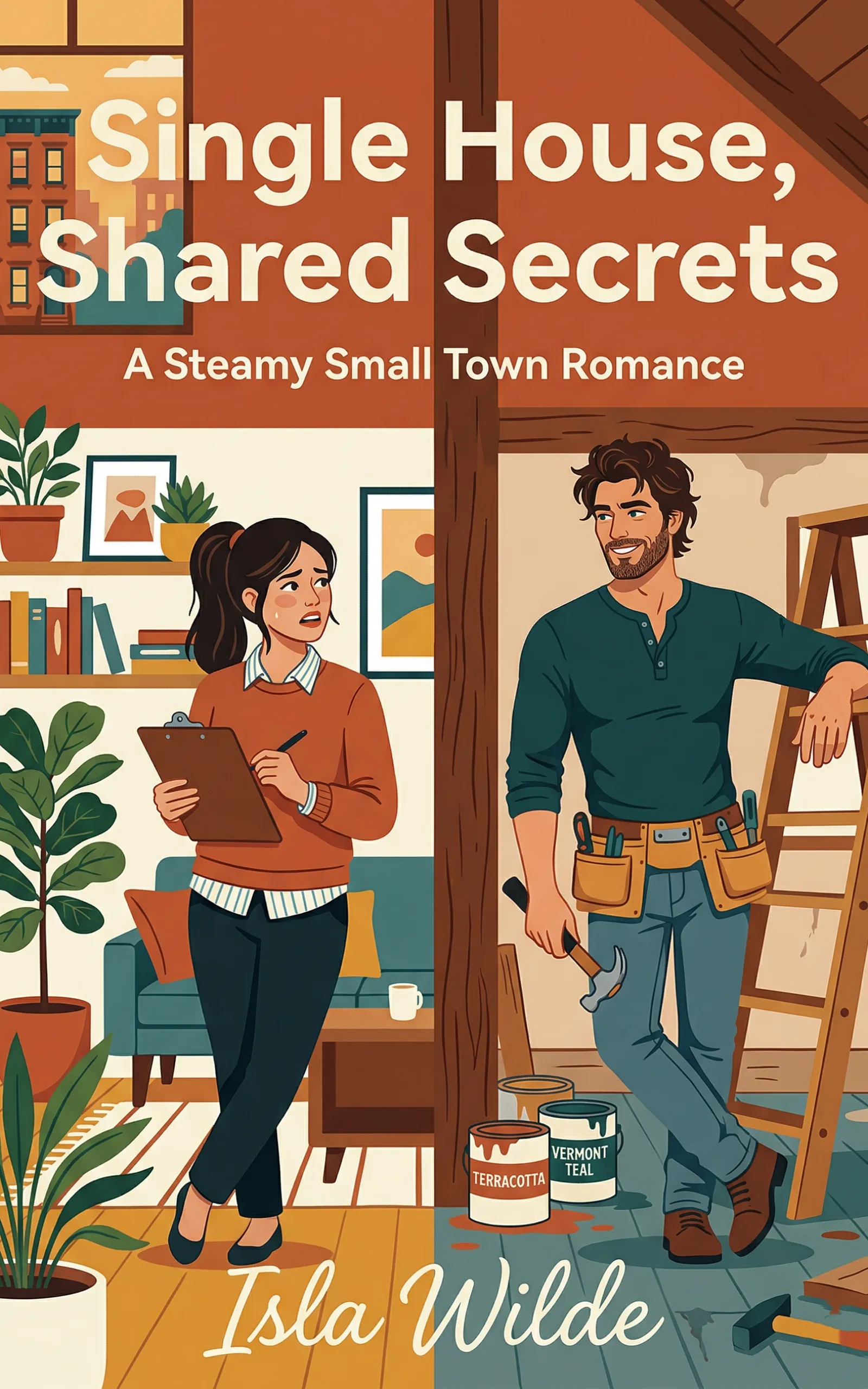
Single House, Shared Secrets — Isla Wilde (M/F, Inferno Heat)
Elara Lane is a freelance editor with a color-coded calendar and a fear of chaos. When her estranged grandmother dies and leaves her half a house in a small Vermont town, she expects to sign papers, sell, and leave within the week. Instead the house comes with a co-heir, a six-month residency clause, and a man who looks at her like she’s a renovation project he intends to take his time with.
Single House, Shared Secrets is small-town forced-proximity at the structural extreme — they cannot leave for six months, they cannot avoid each other, they share one kitchen and a rotation of porch chores and an entire town that has opinions. Wilde writes the small Vermont setting with the kind of texture Lucy Score writes Knockemout: real diner, real hardware store, real neighbors who notice when the lights stay on past midnight.
The on-page heat is Inferno-tier and grows from the genuinely earned slow burn of two people who started enemies and became co-residents. Grumpy/sunshine, opposites-attract, touch-starved heroine — every gateway lever Score readers respond to, with the door open.
Read Single House, Shared Secrets free on KU →
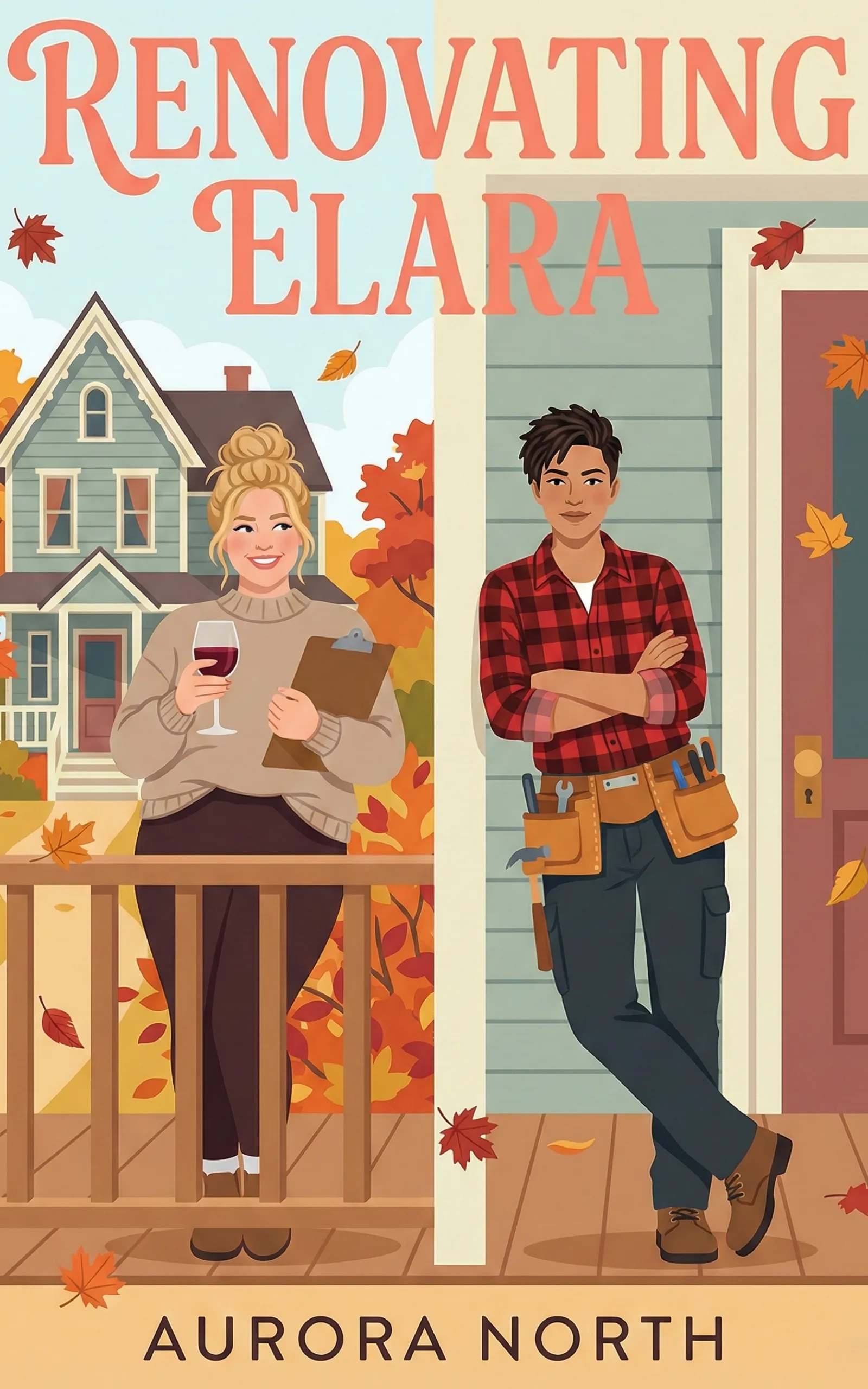
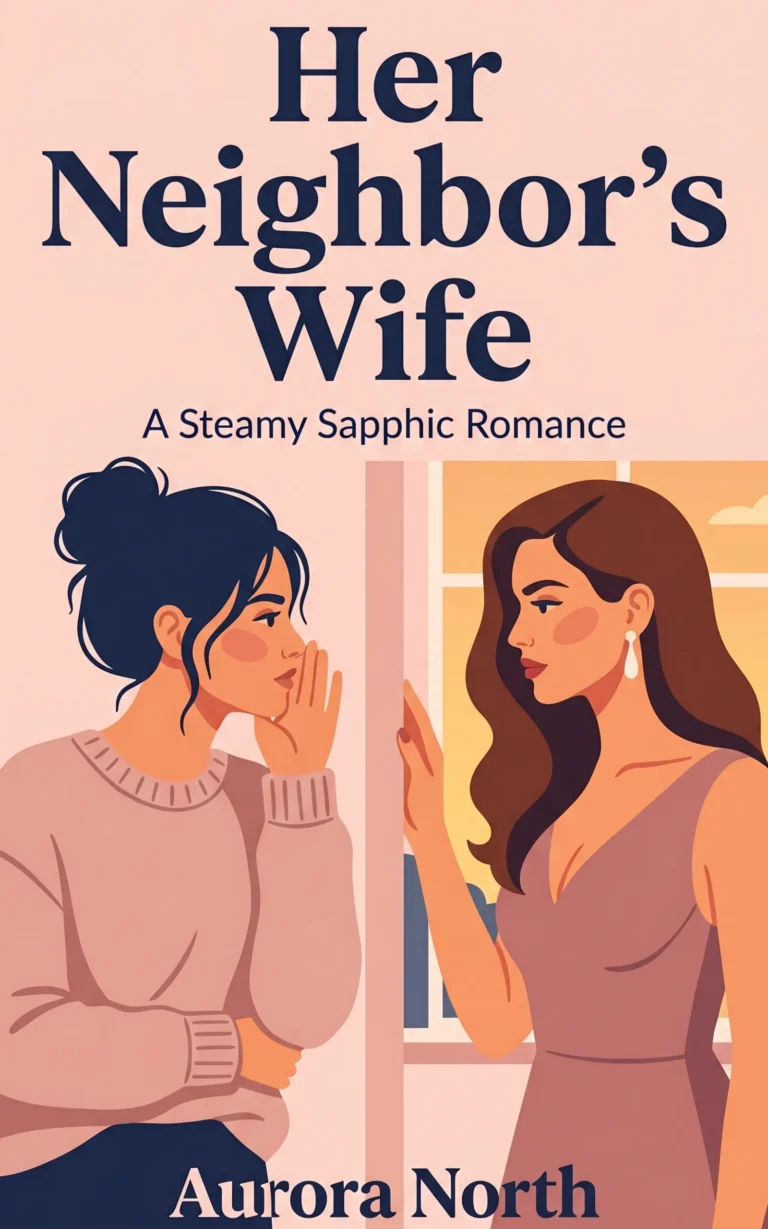
Renovating Elara — Aurora North (F/F, Inferno Heat)
Elara James is thirty-four, freshly divorced, and the owner of a crumbling Victorian money pit on the coast of Maine. The plan is renovate, sell, prove she can build something without a man holding the blueprints. The complication is the woman who shows up to do the framing. The complication makes the vanity. By hand. While Elara watches.
Renovating Elara is the small-town sapphic fixer-upper book that Score readers have been waiting for and not finding. Aurora North writes the coastal Maine setting with care — the morning fog, the lobster shack, the post office whose entire purpose is gossip — and lets the romance grow from the work itself. The competence kink is the engine. Watching a woman who knows how to build a vanity teach a freshly-divorced editor to use a cordless drill is the entire foreplay structure of the first third of the book.
The Inferno-tier on-page work happens late and lands hard. For sapphic readers who wanted Knockemout’s energy in F/F.
Read Renovating Elara free on KU →

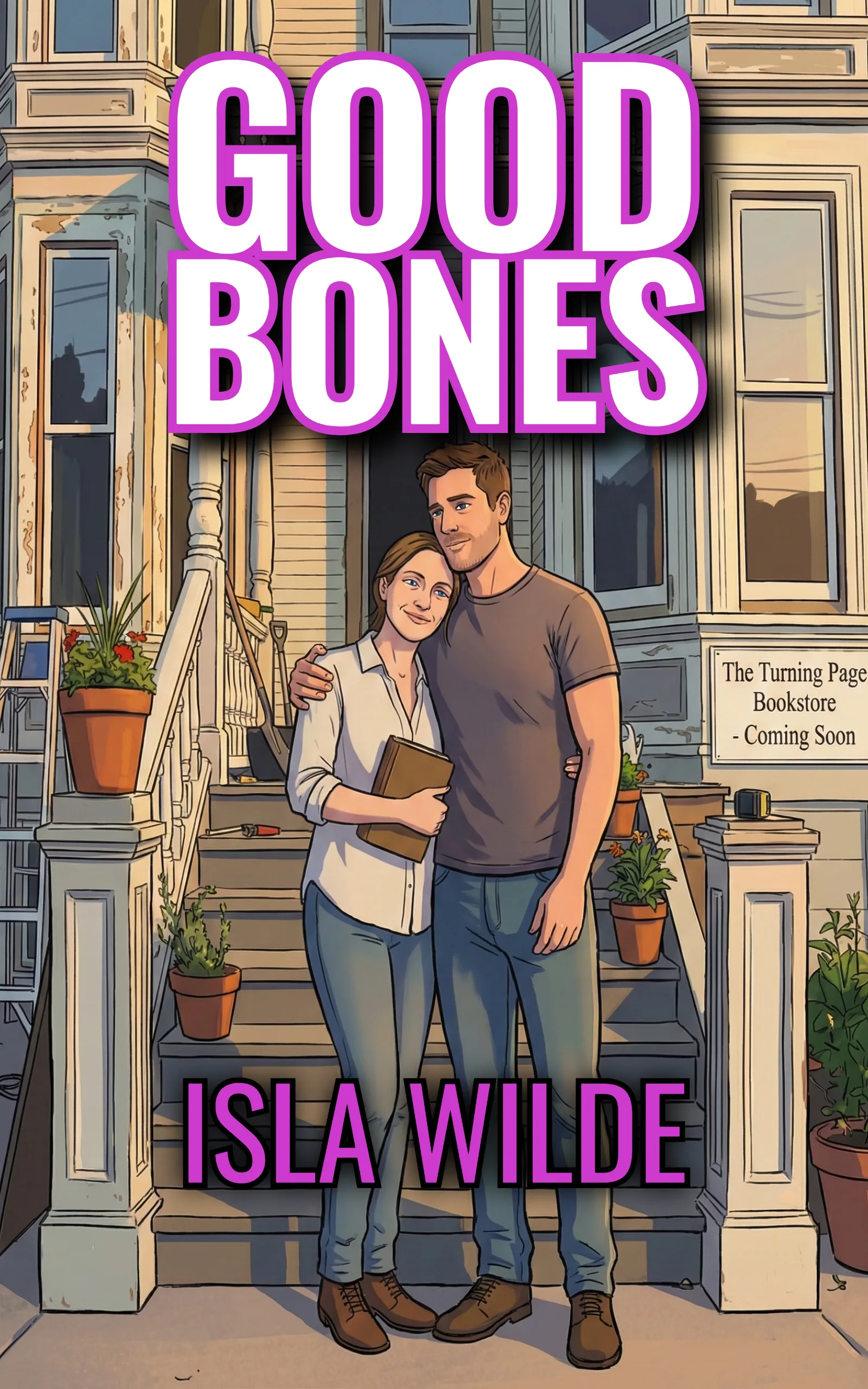
Good Bones — Isla Wilde (M/F, Scorching Heat)
At forty, Claire Montgomery has mastered the art of starting over — divorced, laid off, and the bewildered owner of a decaying Victorian manor in a town she’s never heard of. Beckett Thorne is the contractor she hires to fix it. He’s quiet. He’s older than she expected. He measures twice and looks at her once too long. The town is small, the project is huge, the blueprints are not the only thing being rebuilt.
Good Bones is the second-chance, small-town, fixer-upper triple play — and Wilde uses the small-town texture to ground a romance that could otherwise float. Claire’s slow process of becoming part of a town she didn’t choose, of learning the local hardware-store owner’s name, of building a life through other people’s coffee orders, is what earns the romance its weight. Beckett is the calm, capable, age-gap blue-collar hero who makes Score readers’ brains light up.
Heat is Scorching (a tier under Inferno) — well-paced, confident, present without being the entire structure.
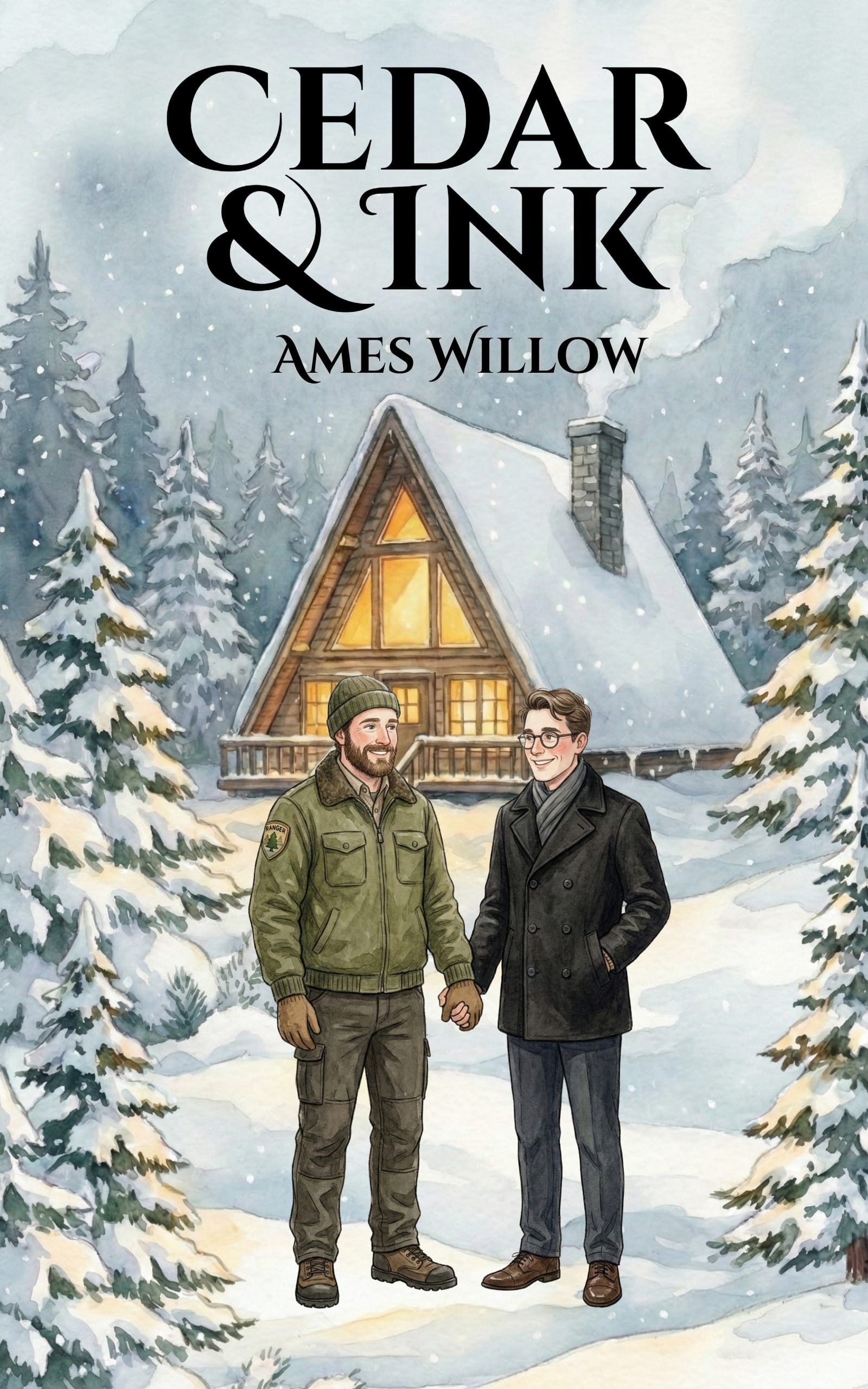
Cedar & Ink — Ames Willow (M/M, High Heat)
Julian Thorne had a Cornell law degree, a Columbia MBA, and a Boston partnership track. Then he threw it all away over principle and a forest that reminded him too much of home. Now he’s broke, unemployed, and driving through a Vermont blizzard back to the town he left twelve years ago — to sell his inheritance and face the man he left behind. The man does not say hello. The man invites him in. It’s snowing. The cabin only has the one bed.
Cedar & Ink is the Vermont small-town MM book the Willowbend series quietly built itself around. Ames Willow writes the rural Vermont setting with documentary precision — the cabin smells like old wood, the diner has one waitress named Marcie, the town runs on snowplows and gossip in equal measure — and the second-chance dynamic between Julian and the man he left is built from twelve years of accumulated avoidance.
Heat tier is High (slightly less explicit than Inferno) — earned, patient, emotionally heavy. For MM readers who wanted Knockemout-style small-town texture in a queer pairing with snow on the windows.

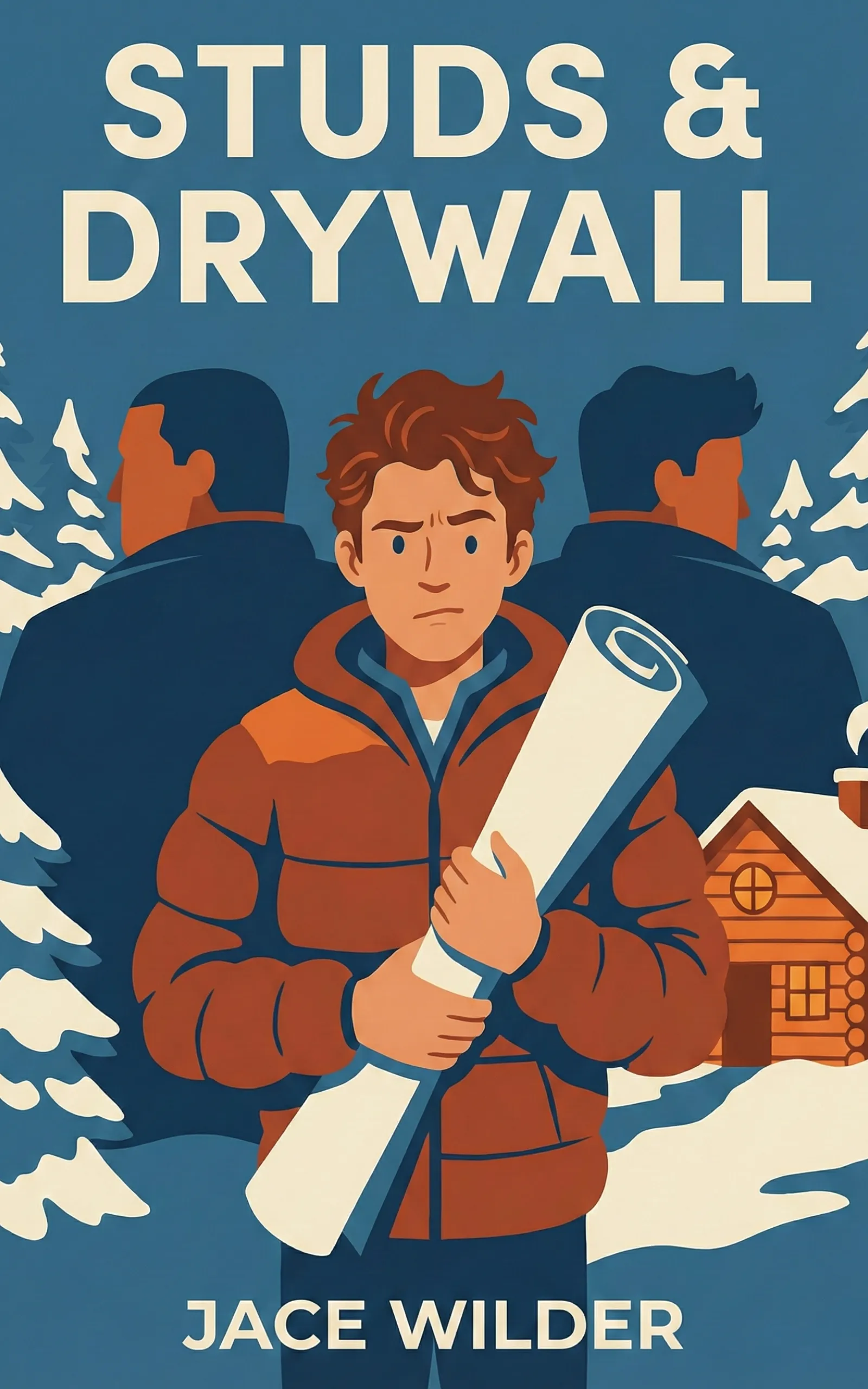
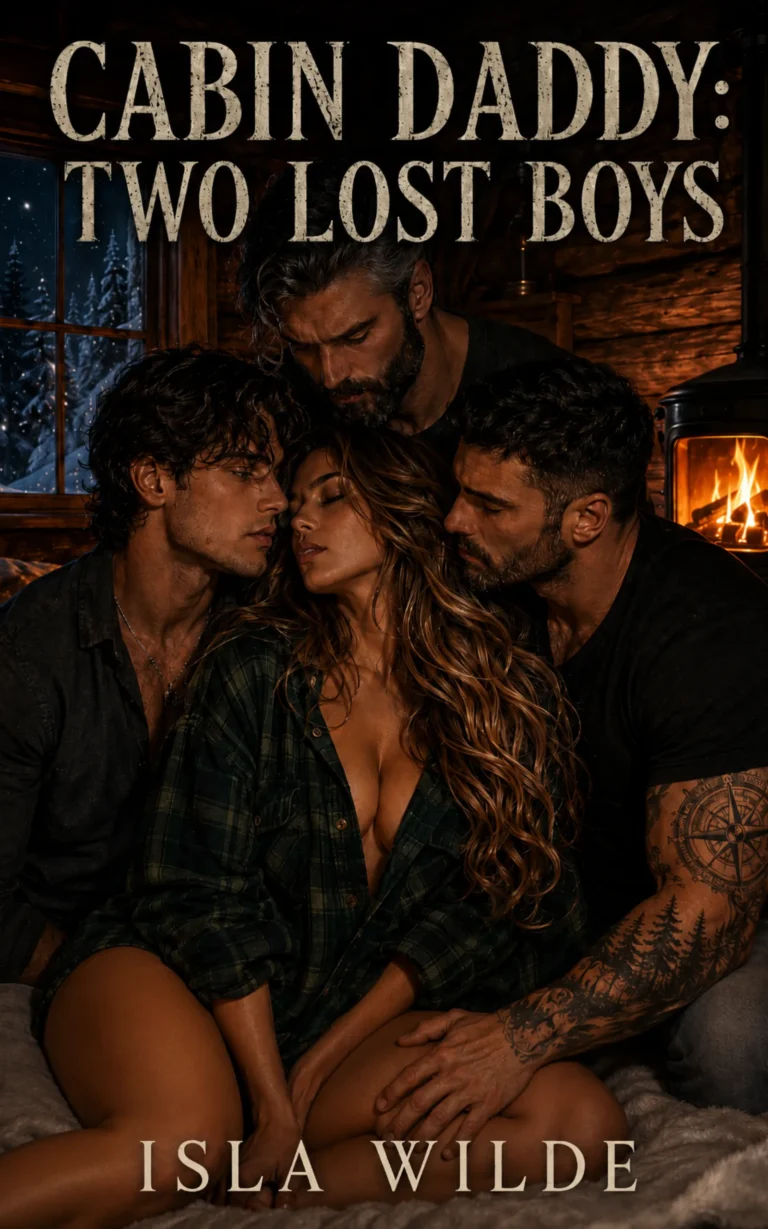
Studs & Drywall — Jace Wilder (M/M Why Choose, Inferno Heat)
Five men. One cabin. One bed built for all of them. Julian Vane is twenty-six, a former librarian, and falling apart after three years with a man who told him he was “exhausting to love.” He inherits a rotting cabin in Vermont, intends to flip it solo, and instead runs into a four-man crew of contractors who have, individually, been waiting for him for various reasons. The renovation takes the summer. The polycule takes longer.
Studs & Drywall is the Why Choose entry on this small-town shelf — and it earns the spot because Wilder treats the polyamory as a small-town story rather than a fantasy. The cabin is real. The town is real. The crew has rivalries, histories, and the kind of long-built friendship that makes a five-person relationship plausible. The forced-proximity, blue-collar, found-family architecture is Score territory cranked to a higher pairing count and an Inferno on-page register.
For readers who wanted Knockemout but with more men, more cabin, and considerably more bed.
Read Studs & Drywall free on KU →
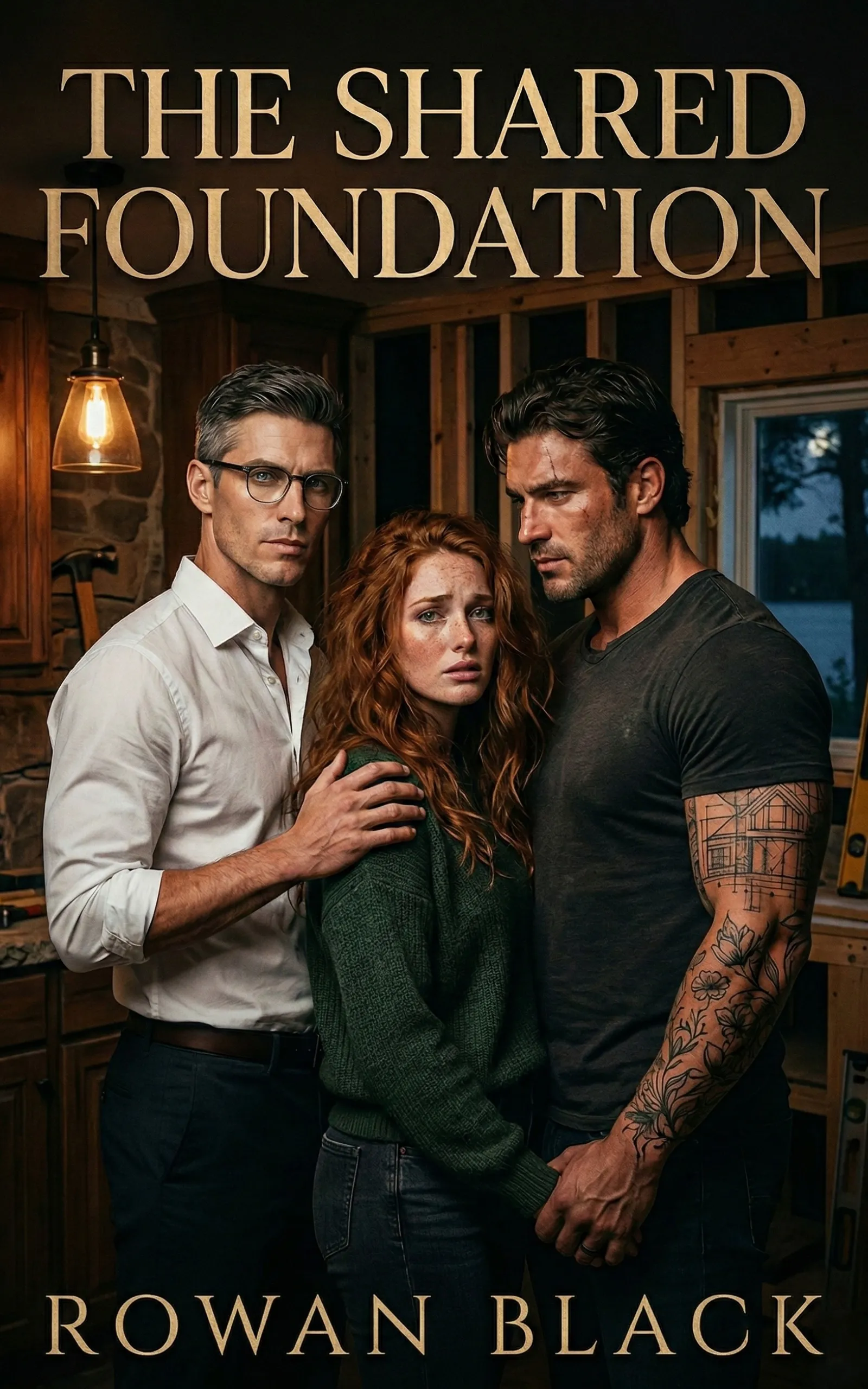
The Shared Foundation — Rowan Black (MFM Ménage, Scorching Heat)
Elara Cross has a plan: fly in, sell her late grandmother’s lakeside estate, and return to her carefully organized Boston life. One week, clean break, no complications. Then she meets the complications. Cole Ashford is the architect — precise, controlling, and unsettlingly beautiful. The other one is the contractor. Both of them know exactly what they want. Both of them have been waiting on this property for reasons that have nothing to do with her.
The Shared Foundation is the MFM small-town ménage entry on this list and Rowan Black’s specific lane is doing what trad-pub still hasn’t figured out how to write — the ménage works because the small-town isolation makes it work. The lakeside property is far from anywhere. The two men have a years-long dynamic. Elara walks in and the slow accumulation of “we live here, you don’t” becomes “stay here, we want you to” in a way that earns its dark register.
Heat is Scorching with darker edges. Power exchange, breeding kink, blue-collar found family. The small-town texture is the engine the kink rides on.
Read The Shared Foundation free on KU →
Why Small Town Romance Hits So Hard
The trope persists because it’s secretly about something most of the genre has stopped trying to deliver: rootedness.
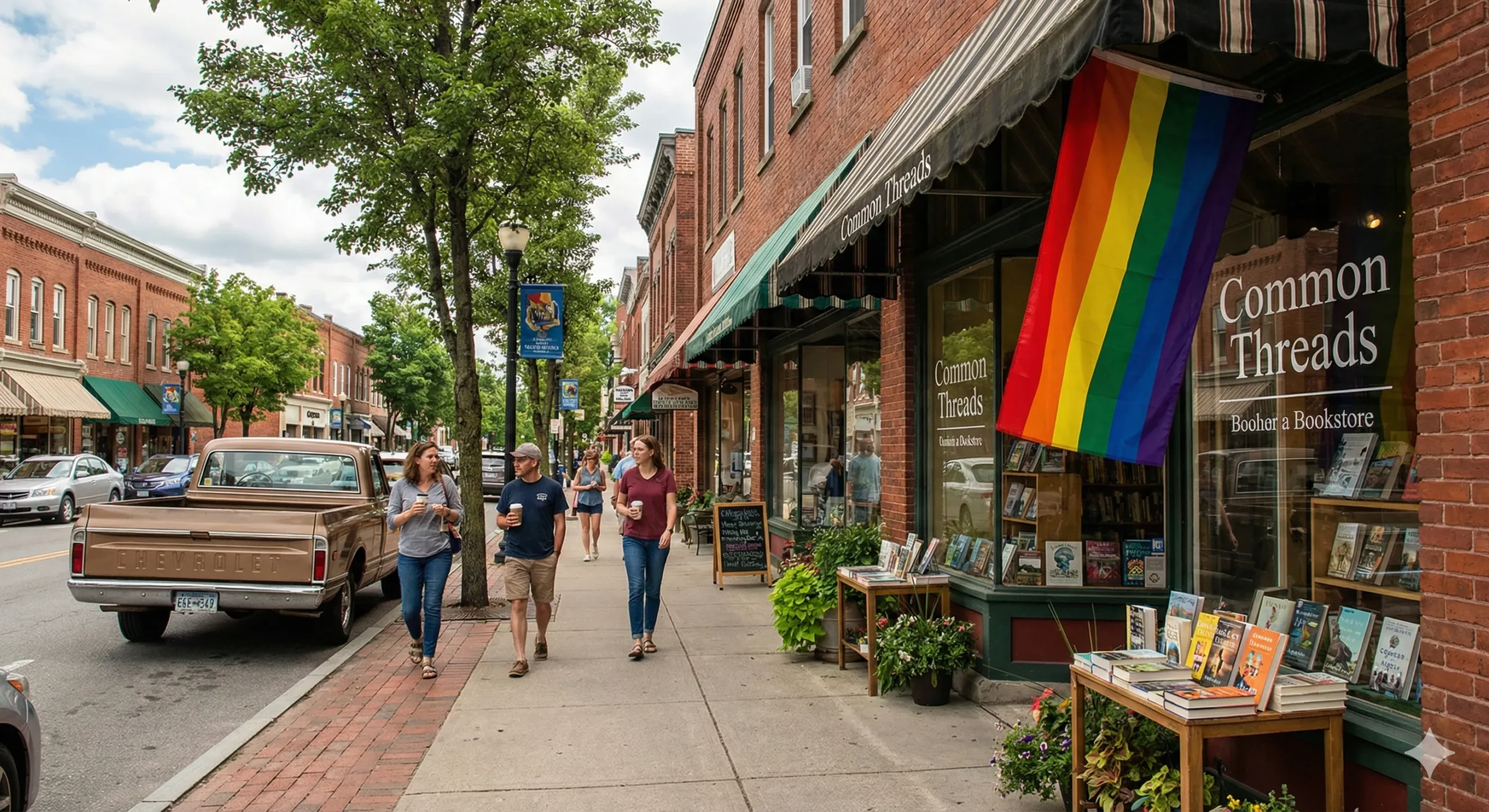
Big-city romance is about reinvention. Billionaire romance is about escape. Romantasy is about transformation. Small town romance is the opposite of all of that — it’s about the fantasy of a place that knows you, a community that watches out for you, a corner table at the diner that’s quietly understood to be yours after the third visit. The romance is the engine, but the town is the answer to a question most readers stop asking out loud somewhere in their late twenties: what if I belonged somewhere?
That’s why the trope has built-in stakes that don’t require manufactured drama. The hero doesn’t disappear after the dust-up — he runs the bar three blocks away. The heroine doesn’t get to ghost — her car is still parked outside the post office. The town’s gossip network is the structural enforcer that makes the relationship matter. Two people in a small town can’t just wander away from each other. They have to figure it out, or they have to leave.
The other thing small-town romance does — that the gateway trad-pub titles soft-pedal and the indie KU shelf actually delivers — is the on-page heat that the slow burn earns. The trope’s pacing is built for it. You spend two hundred pages watching two people circle each other through a town that won’t let either of them disappear. The combustion isn’t gratuitous when it finally happens. It’s structural. It’s what the architecture has been building toward.
That’s why the indie KU shelf is currently doing the most ambitious work in the subgenre. The small town does the slow burn. The Inferno tier on-page work is the trope finally cashing the check.
Frequently Asked Questions
What’s the best small town romance book?
The most-recommended trad-pub gateway is Things We Never Got Over by Lucy Score — Knockemout is the small-town setting most current small-town comp lists are in conversation with, and the spice level is higher than most mainstream small-town titles. For sapphic small-town with on-page heat, Aurora North’s Renovating Elara is the indie KU pick. For MM in a Vermont winter, Cedar & Ink by Ames Willow.
Are small town romance books usually slow burn?
Almost always. The trope’s structure depends on accumulated familiarity — the reader needs to feel the town’s weight before the romance lands. Books that compress the small-town texture into a quick romance generally underwhelm fans of the trope. The slow burn isn’t decorative; it’s the point. The town has to earn its place in the relationship.
What’s a good spicy small town romance on Kindle Unlimited?
The indie KU shelf is where high-heat small town actually lives. Single House Shared Secrets, Renovating Elara, Studs & Drywall, and The Shared Foundation (all featured above, all free with Kindle Unlimited) run Inferno or Scorching on-page heat with small-town spines.
What’s a good MM small town romance?
For trad-pub: there isn’t really a true gateway — MM small-town hasn’t broken into the mainstream the way MF small-town has. For indie KU: Cedar & Ink (Ames Willow) for second-chance Vermont winter, and Studs & Drywall (Jace Wilder) for Why Choose cabin polyamory. Both featured above, both Kindle Unlimited.
Are there sapphic small town romances on Kindle Unlimited?
Yes. Aurora North’s Renovating Elara (FF coastal Maine fixer-upper, featured above) is the cleanest small-town sapphic pick on KU right now.
As an Amazon Associate, Fractal Enigma LLC earns from qualifying purchases at no extra cost to you.