
Best Enemies With Benefits Romance Books 2026 — Hate Fuck Arrangements That Actually Combust
Enemies with benefits is the trope that demands the most and forgives the least. Two people who genuinely cannot stand each other agree, in some unspoken or grudgingly negotiated arrangement, to use each other’s bodies for a thing neither of them is willing to call by its name. The fight stays. The professional disdain stays. The morning-after eye-contact at the coffee machine has to be survived. And underneath all of it, a clock is ticking on the lie that this is purely physical.
The reason the trope works is structural. Enemies-to-lovers requires the slow erosion of hatred into something else. Friends-with-benefits requires the slow corruption of friendship into something more. Enemies-with-benefits is the only arrangement that compresses both — characters keep the hostility intact while letting their bodies betray them, which means every scene is a war zone of contradictions. Every kiss is supposed to be the last one. Every “this is the worst idea I’ve ever had” is followed by another worst idea. The trope’s payoff isn’t the fight ending. It’s the moment one of them looks at the other and realizes the fight was never really the point.
Below: six gateway comps that built the trope’s reputation, six indie Kindle Unlimited titles that take the architecture into harder, more explicit territory across MF, MM, and FF, and the answer to “what do I read next when ‘we shouldn’t be doing this’ becomes ‘we can’t stop doing this.'”
Enemies With Benefits — Roxie Noir
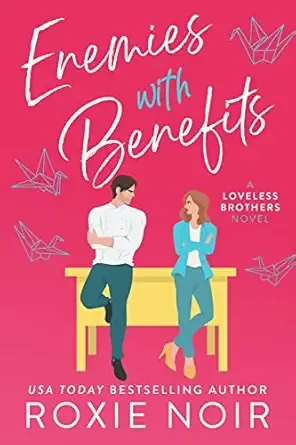
The trope namesake. Thalia Lopez has hated her brother’s best friend Caleb Loveless since high school — a long, specific, well-documented hatred with twelve years of receipts. Caleb feels the same. They cross paths at her cousin’s wedding, get drunk, and end up in a hotel room. They both regret it the next morning. They both fully intend never to do it again. They are both, within forty-eight hours, doing it again. By chapter ten, the arrangement has rules. By chapter fifteen, the rules are actively being violated. By the third act, both of them are pretending the fall didn’t happen, very badly, to a series of friends who can see exactly what’s going on.
Noir does the trope with the texture it deserves. Thalia and Caleb have an actual decade of history — specific incidents, specific grievances, specific reasons their families won’t sit them next to each other at events. Their hostility isn’t decorative. The arrangement they build to manage their physical compulsion is a real arrangement, with real terms, and the slow corruption of those terms is the engine of the entire book.
Heat is high — Noir doesn’t fade past the door, and the on-page work earns the slow build. For readers who want one book that defines the trope before exploring the rest of the shelf, this is the entry. The series continues with Caleb’s brothers (the Loveless Brothers books are individual standalones in the same world), but Enemies With Benefits is the gateway.
Get Enemies With Benefits on Amazon →
Twisted Love — Ana Huang

The dark variant. Alex Volkov is the cold, possessive, emotionally unavailable best friend of Ava Chen’s brother — a man with a frozen interior, a controlled life, and a long-standing arrangement with himself never to want anything that could hurt him. Ava is sunshine in human form. They have spent years actively annoying each other. When Ava’s brother asks Alex to look out for her while he’s away, the arrangement becomes proximity, which becomes tension, which becomes a hate-shaped thing that neither of them is going to label out loud.
Twisted Love sits at the dark end of the enemies-with-benefits shelf. The hostility is internal as much as external — Alex is fighting himself harder than he’s fighting Ava — and the arrangement that develops is less “we hate each other and want to hate-fuck” and more “I am compulsively obsessed with you and pretending it’s hatred to survive it.” Huang built BookTok on this dynamic, and the architectural reason is precise: the trope works because the want is the load-bearing element, and the hostility is the structural reinforcement that keeps the want from immediately collapsing into a love story.
Heat is high, on-page, and consistent. For readers who want the trope with stakes — possessive hero, dark backstory, real consequences — this is the dark gateway.

The Hating Game — Sally Thorne

The mainstream gateway. Lucy Hutton and Joshua Templeman sit across from each other in a cramped publishing-house office and have made each other’s professional lives a war of micro-aggressions for two years. They play the staring game. They play the mirror game. They play the “I will out-passive-aggressive you in front of HR” game. When a single promotion forces them into actual competition, the entire architecture of their mutual hatred starts to crack — and the kiss in the elevator that nobody saw coming sets the trope’s modern romcom standard.
Thorne’s book belongs on the enemies-with-benefits shelf even though the “benefits” arrive late and unstated, because the architecture is the same: two people whose hostility is the only socially acceptable container for the want they cannot acknowledge. The office setting is the device. The staring contests are the foreplay. The eventual collapse of the rivalry is the trope cashing the check the first chapter wrote.
Heat ceiling is mainstream — moderate on-page, romcom-paced — but the slow-burn enemies architecture is the masterclass. For Boyfriend Material readers crossing into MF or for newcomers to the trope, The Hating Game is the entry that explains why the genre works.
Get The Hating Game on Amazon →
The Worst Guy — Kate Canterbary
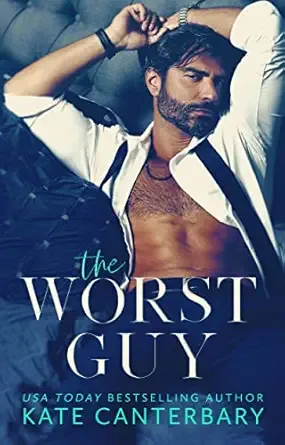
The medical-rivals variant. Dr. Stella Allesandro is a brilliant cardiac surgeon and Dr. Sebastian Stremmel is, by her precise professional assessment, the worst guy in the entire hospital. He’s arrogant. He’s pedantic. He corrects her in front of residents. They have been actively undermining each other for two years. When they get stuck on a board-meeting committee together, the proximity exposes a fact neither of them is willing to admit out loud: the hostility has been an elaborate cover for an attraction they are both fully prepared to destroy their careers over.
Canterbary writes the smart-people-fighting flavor of enemies-with-benefits with extraordinary precision — the dialogue is sharp, the medical setting is well-handled, and Stella’s competence is treated as the load-bearing thing it deserves to be. The arrangement they build to manage what’s happening between them isn’t formal so much as repeatedly negotiated and instantly violated. The on-page heat lands harder because both characters are too smart to be fooled by their own behavior, which means watching them do it anyway.
Heat is high. For readers who liked Hazelwood’s STEMinist register but wanted the actual on-page payoff, The Worst Guy is the bridge.

The Spanish Love Deception — Elena Armas
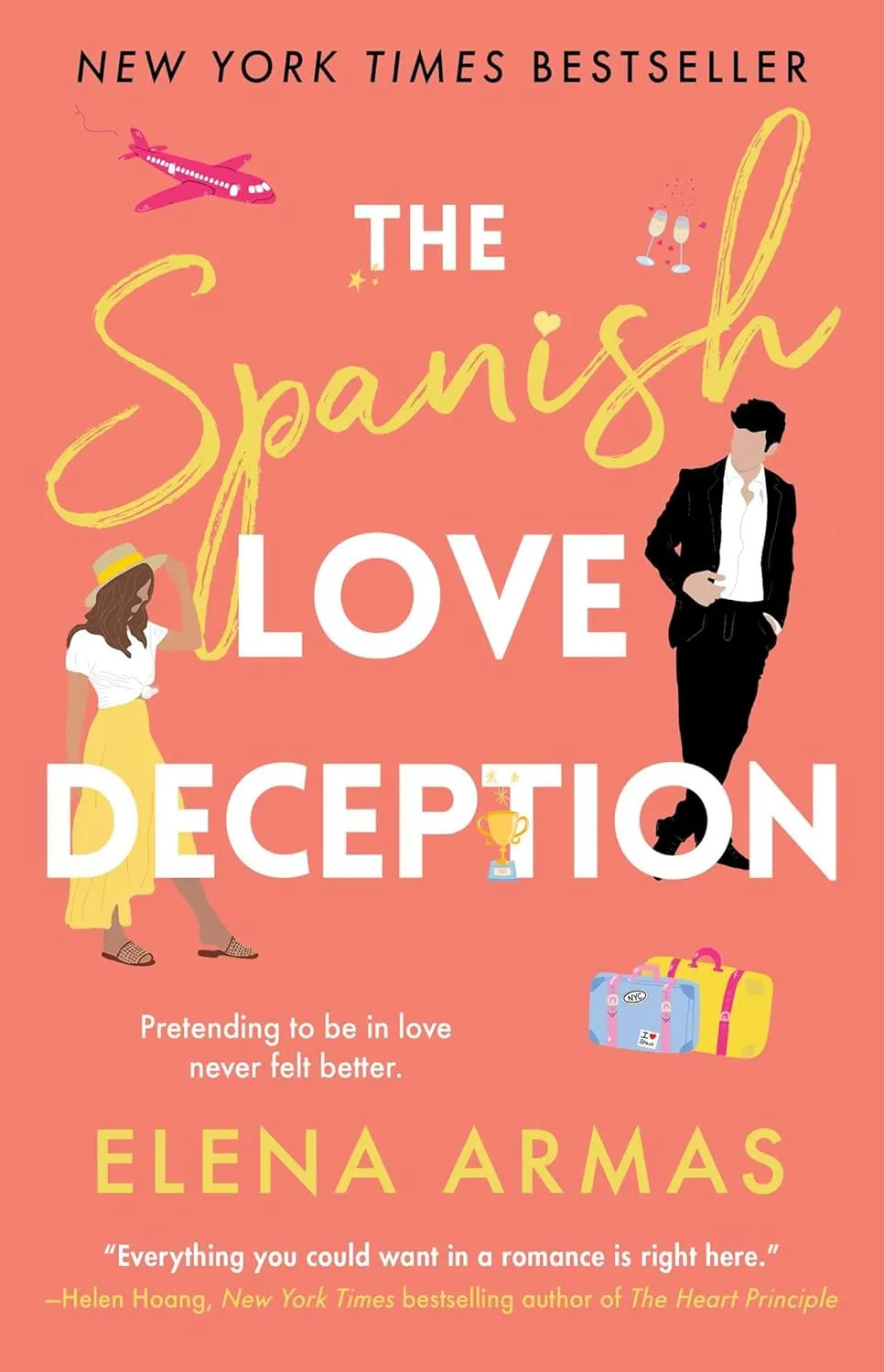
The fake-dating-meets-enemies hybrid. Catalina Martín needs a date for her sister’s wedding in Spain — a real one, presentable enough to satisfy three generations of relatives and one ex-fiancé who is now part of the wedding party. Aaron Blackford is the unbearably tall, unbearably composed coworker she has spent two years actively hating. He volunteers. She accepts because the alternative is showing up alone. Neither of them is prepared for the four days in Spain that follow.
SLD belongs on the enemies-with-benefits shelf because the fake-dating premise functions exactly like a structured arrangement — performative intimacy with explicit terms — and the slow erosion of the performance into something genuine is identical to the trope’s core architecture. Armas writes Catalina’s interiority with extraordinary precision; the reader is inside her head as she rationalizes, denies, and fails to maintain the professional distance the arrangement was supposed to preserve.
Heat is moderate-to-high — the door eventually opens — but the trope’s emotional payoff is the masterclass. For readers who want enemies-with-benefits in romcom register with a Mediterranean setting and a fake-dating exoskeleton, this is the entry.
Get The Spanish Love Deception on Amazon →
Birthday Girl — Penelope Douglas

The forbidden variant. Jordan is nineteen, kicked out of her father’s house, and reluctantly accepts an invitation to live in her boyfriend’s father’s small Pacific Northwest house. Pike is thirty-eight, a construction-business owner, and has been pointedly not looking at her for the entire time they’ve known each other. The hostility between them isn’t open warfare — it’s the more dangerous kind, the polite kind, the kind that lives in too-long silences and avoided eye contact and the explicit mutual understanding that this cannot happen.
Birthday Girl earns its enemies-with-benefits placement because the “we hate each other” doesn’t have to be loud to be structural. Jordan and Pike’s hostility is constructed entirely around the want neither of them will admit — the politeness is the war zone, and the eventual arrangement is a slow, deliberate, fully-aware violation of every rule both of them have set for themselves. Douglas writes the small-town claustrophobia and the age-gap forbidden charge with the precision the trope demands.
Heat is high — Douglas opens the door and keeps it open. The age gap is twenty years. For readers who want enemies-with-benefits in its forbidden form, with stakes and small-town texture, Birthday Girl is the entry.

Indie KU Enemies-With-Benefits — Where the Arrangement Actually Combusts
The gateway titles above all build the architecture beautifully — the hostility, the negotiated arrangement, the slow corruption of the terms — and most of them stay inside trad-pub heat ceilings when it actually combusts. For readers who came to the trope because the slow burn is supposed to actually scorch the page, the indie KU shelf is currently the strongest place in the genre to find what mainstream romance is too well-mannered to deliver.
The six titles below are built on the same enemies-with-benefits architecture as the gateway comps — real hostility, real arrangement, real terms violated — with on-page heat that earns the slow build. MF dark CEO. MM hockey rival captains. FF rival cheer captains, sapphic vineyard neighbors, basketball enemies, dark academia bully. All free with Kindle Unlimited. All Inferno-tier where indicated.
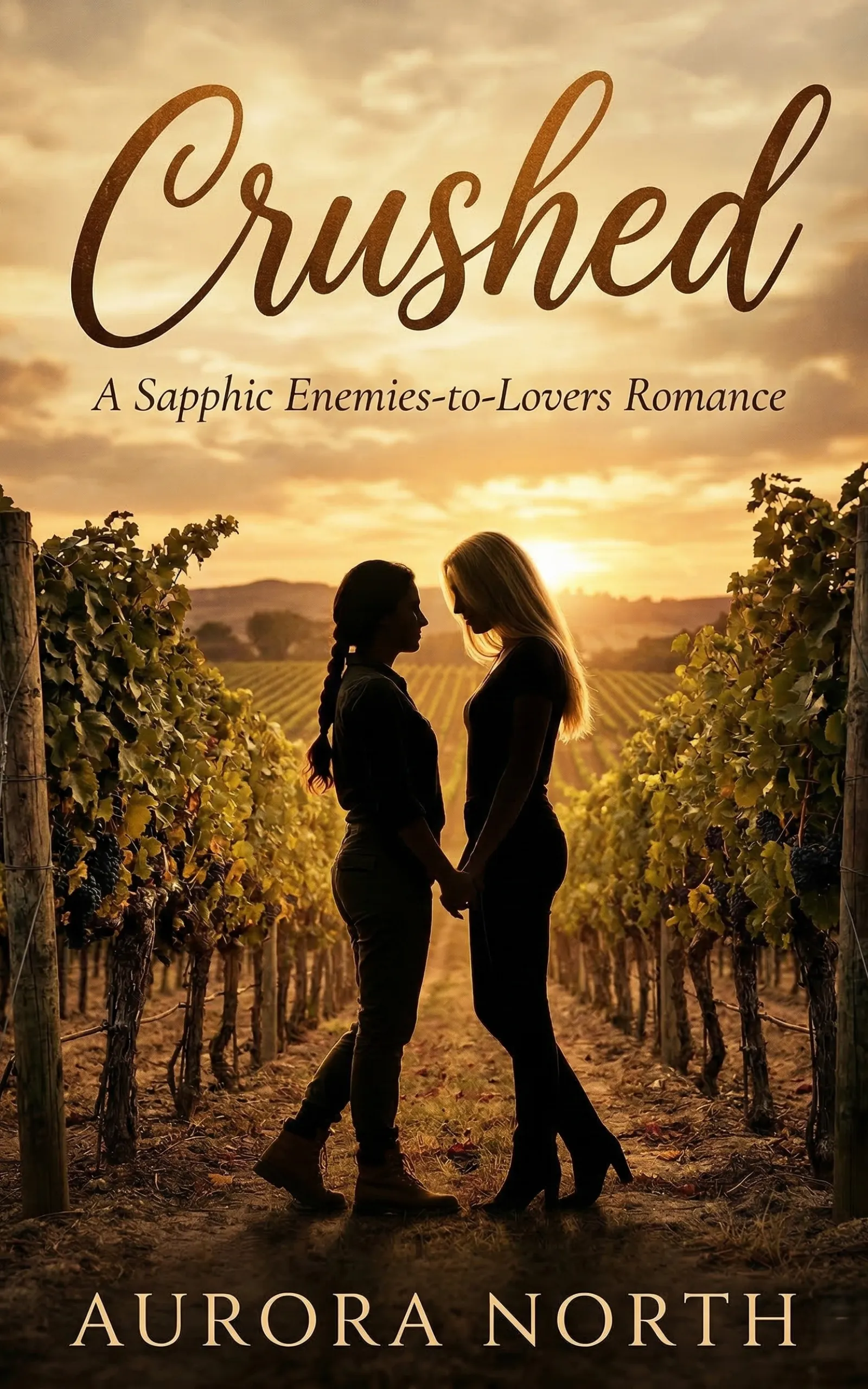
Crushed — Aurora North (F/F, Inferno Heat)
Sera Moretti is the grumpy winemaker losing everything she’s ever cared about — her father’s vineyard, the only home she’s ever known, the future she’s been working toward since she was old enough to read a soil report. Then the corporate heiress moves in next door and the creek between their vineyards runs dry. The feud that starts has thirty years of family history behind it. Neither of them is going to back down. Neither of them is going to admit they’ve been quietly losing their minds since the first time their eyes met across the property line.
Crushed is the sapphic enemies-with-benefits novel readers ask for and the genre has been slow to deliver. Aurora North does the trope with a level of structural patience the gateway titles often skip — the hostility between Sera and the heiress is real, family-deep, and earned by chapter three; the arrangement that develops is genuinely transgressive given the small-town context they live in; and the slow corruption of “this means nothing” into “this means everything” is paced with the care the architecture deserves.
Inferno-tier on-page heat. Class difference. Forced proximity. Praise kink. Touch starved. Every architectural lever the trope rewards. Read Crushed free on KU →
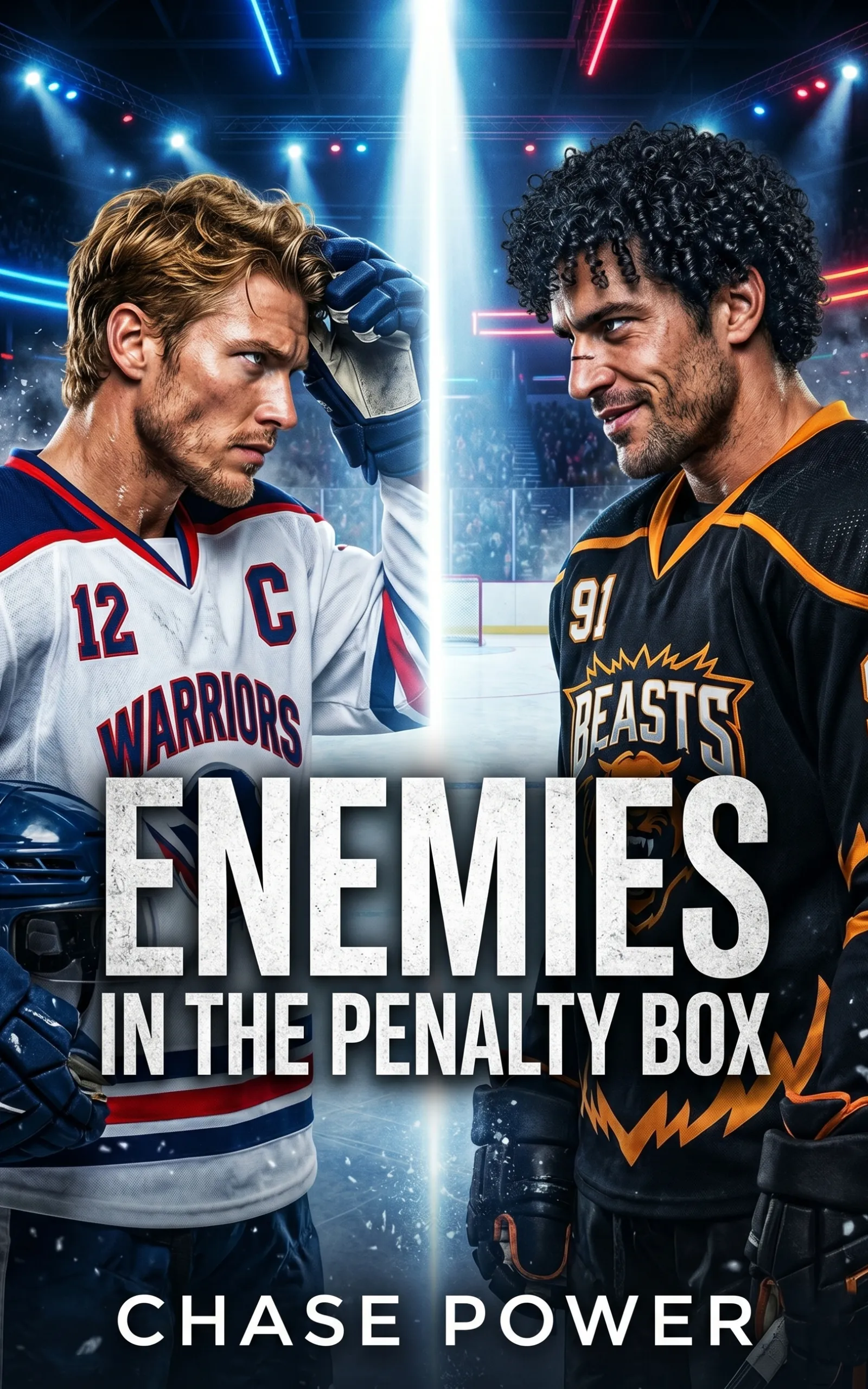
Enemies in the Penalty Box — Chase Power (M/M Hockey, Inferno Heat)
Ethan Cole is hockey’s golden boy — youngest captain in Boston Titans history, four-time All-Star, the face every sponsor wants. His composure is flawless, his brand is bulletproof, and underneath all of it, he is drowning in anxiety and a praise addiction his father’s conditional love built into his bones. Rory Kincaid is hockey’s villain — captain of the Detroit Iron, the league’s most penalized forward, the man Ethan has spent three seasons calling everything but his name on national television. When a league PR campaign forces them into a fake sportsmanship initiative, the penalty box becomes the place where they start telling each other the truth.
Chase Power does the MM hockey enemies-with-benefits trope at the structural extreme — the hostility is real, public, and three years in the making by the time the book starts. The arrangement that develops is built inside the league’s most intensely scrutinized environment, which means every hotel hallway, every connecting door, every supply closet is a war zone of contradictions. The praise kink lands the way it does because it’s the exact thing Ethan has spent his entire life being told he can’t have from someone who matters.
Inferno-tier. Closeted athlete. Coming out arc. Hurt/comfort. Found family. The MM enemies-with-benefits book Boyfriend Material readers and Heated Rivalry fans both want. Read Enemies in the Penalty Box on all retailers →

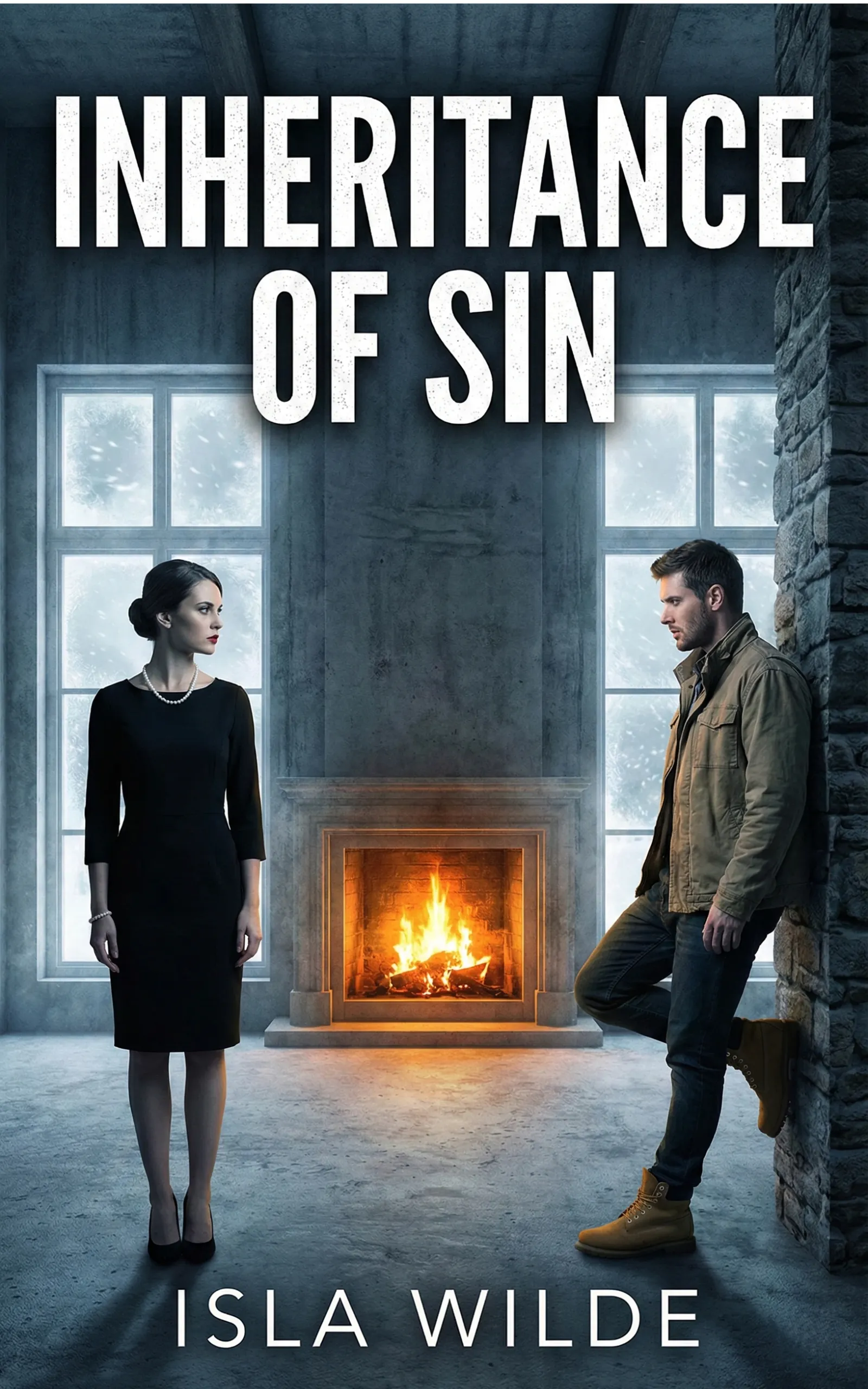
Inheritance of Sin — Isla Wilde (M/F, Inferno Heat)
Elena Vance is six months from the partnership track at her late father’s law firm when the man who tried to destroy his career walks into her office and tells her he is now her client. Jax Sterling is a corner-office, ruthless, generationally-rich CEO with thirty years of bad blood with her family and a smile that says he’s been waiting for this meeting since she was old enough to inherit the grudge. The arrangement is professional. The arrangement requires her presence at his estate for the duration of an acquisition. The arrangement was never going to stay professional.
Inheritance of Sin is the MF dark enemies-with-benefits novel readers ask for when Twisted Love isn’t enough. Isla Wilde does the architecture at the highest tier — Elena’s hostility is rational, earned, and emotionally specific; Jax’s interest is possessive, controlled, and dangerous in the way the genre wants; the arrangement that develops at his estate is a slow, calculated violation of every professional ethic she’s built her career on. The breeding kink, the power exchange, the marking — all earned, all on-page, all built on a foundation of two people who have legitimate reasons to want each other dead and want each other anyway.
Inferno-tier. Generational enemies. Forced proximity. Praise kink with a darker edge. Read Inheritance of Sin free on KU →
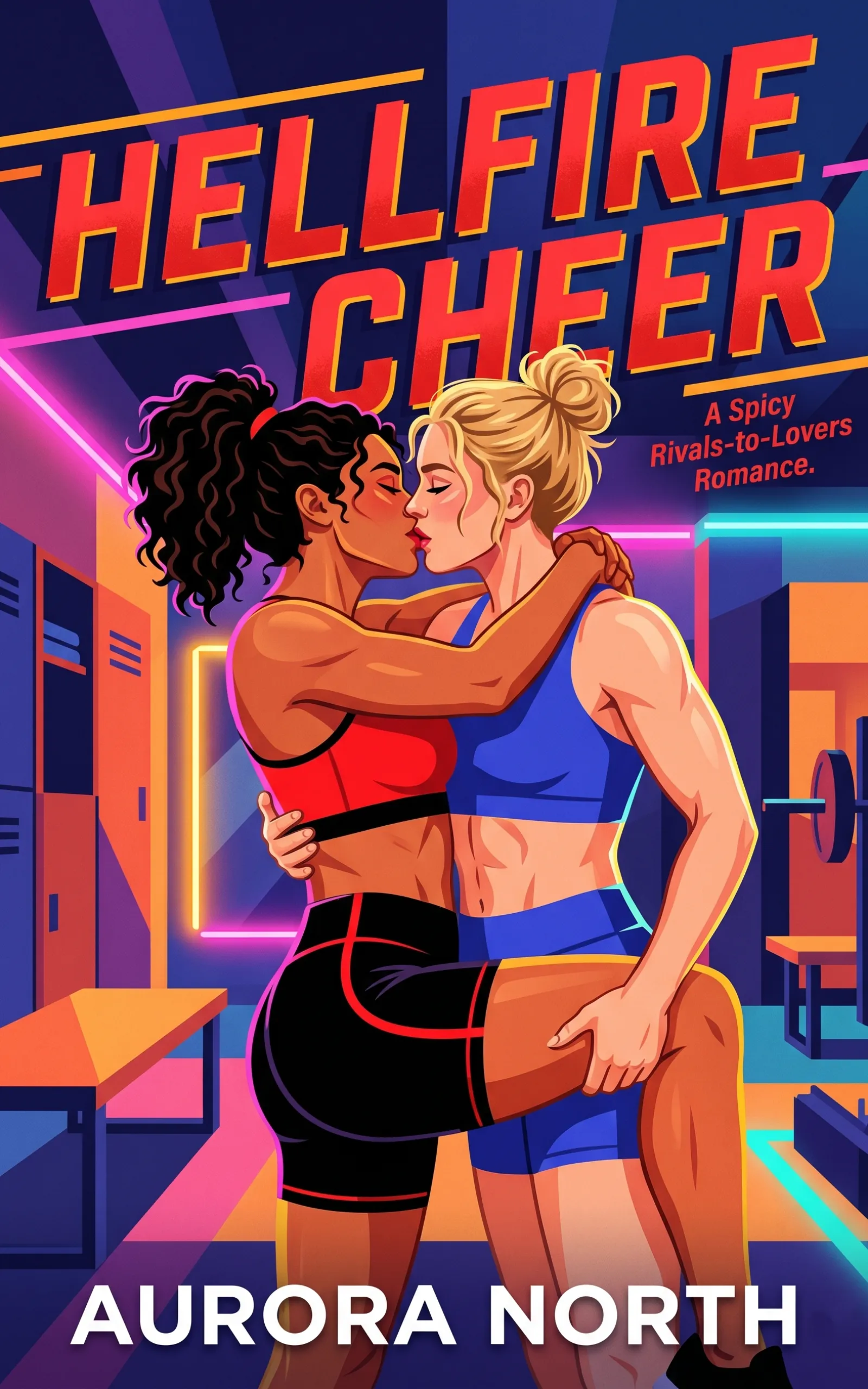
Hellfire Cheer — Aurora North (F/F Sapphic Sports, Inferno Heat)
Skye Moreno is the laser-focused captain and star flyer of the Hellfire cheer squad. Reese Carter is the ice-cold captain of Apex Elite — a tumbling queen and base known for never cracking under pressure. They have spent three years studying each other’s routines and calling it hatred. They have been lying to themselves the whole time. When a national-circuit booking error puts both squads in the same hotel and the two captains in the same bed for seven nights, the architecture both of them have spent three years constructing collapses one careful concession at a time.
Hellfire Cheer is the sapphic-rivals-to-benefits novel that does the trope’s full architecture — three years of accumulated hostility, professional stakes that can’t be ignored, a forced-proximity device with no escape hatch, and a slow corruption of the rivalry into the arrangement neither of them is going to be able to walk away from. Aurora North writes the cheer-circuit setting with the texture of someone who knows the world, and the praise-kink architecture lands precisely because both Skye and Reese have spent their entire careers being told what they can do and never what they’re worth.
Inferno-tier. Forced proximity. One bed. Sports romance. Read Hellfire Cheer free on KU →


Game Face — Aurora North (F/F Sapphic Sports, Inferno Heat)
Jordan “The Machine” Reed is the best point guard in women’s college basketball and the worst liar in the locker room. She has a 94% free-throw percentage, a top-three draft projection, and the emotional availability of a cinder block. She does not do feelings. She does not do distractions. She definitely does not do the Apex U shooting guard who has been making her three-point line miserable for three seasons — until a forced-proximity tournament rooming arrangement strands them in the same hotel for the duration of a week neither of them is going to come back from intact.
Game Face is the sapphic enemies-with-benefits sports novel for readers who liked Hellfire Cheer’s architecture and wanted it with higher professional stakes. Aurora North layers the bi-awakening arc on top of the rivalry without letting either crowd out the other — Jordan’s discovery that the player she has been calling her enemy is in fact the only person in her life who has ever seen her clearly is paced with the precision the trope rewards. The secret-relationship architecture lands because the WNBA-trajectory professional context makes the cost of the arrangement real.
Inferno-tier. Praise kink. Competence kink. Hurt/comfort. Read Game Face free on KU →
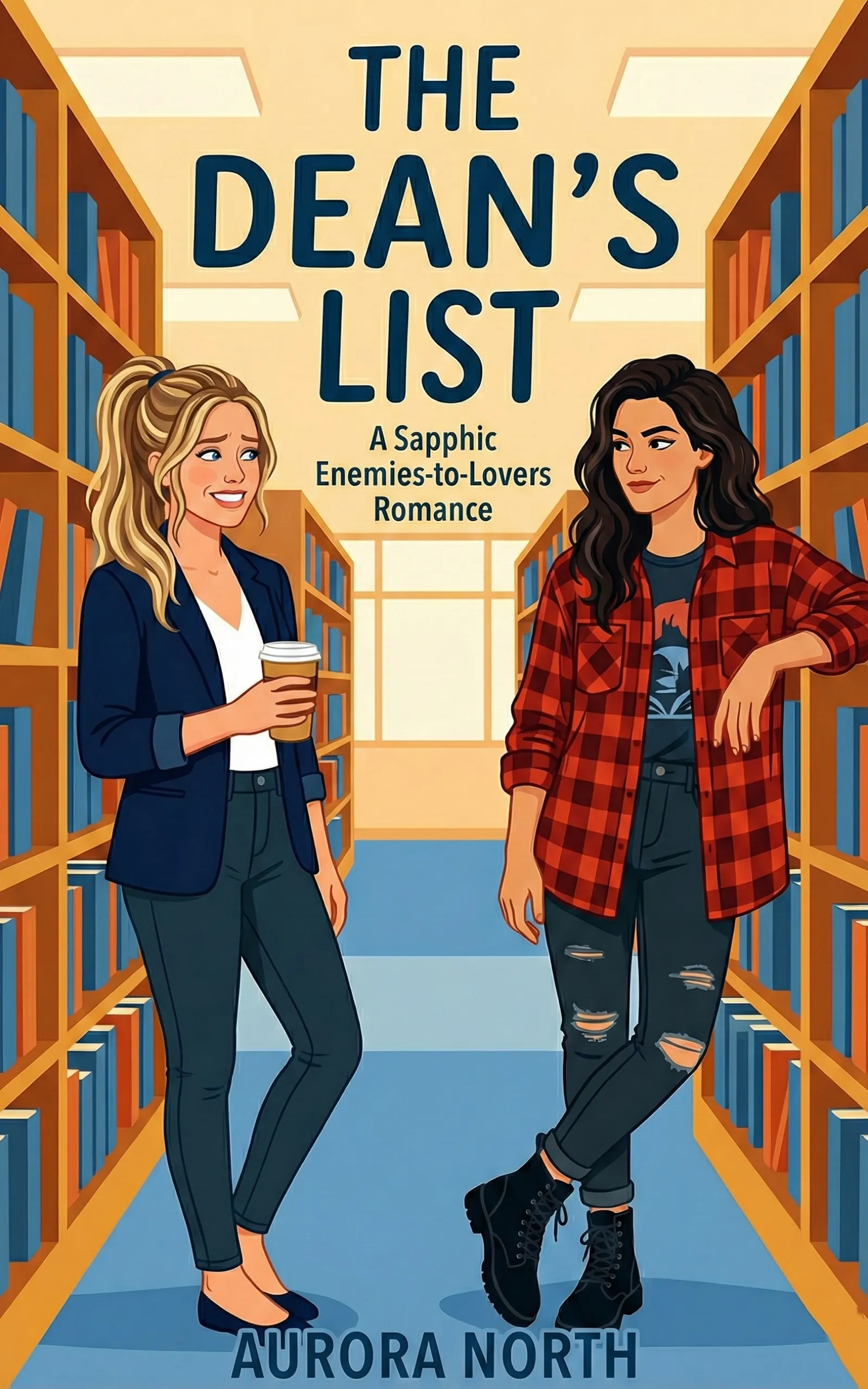
The Dean’s List — Aurora North (F/F Dark Academia, Inferno Heat)
Harper Chen has spent twelve years perfecting the art of invisibility — scholarship student, 4.0 GPA, invisible — clawing her way from nothing to a full ride at St. Jude’s University. She has never forgotten the girl who ruined her life when they were thirteen, the best friend who betrayed her, and now they are both at the same school. Harper has the power to destroy her. Revenge was never supposed to taste this sweet. The arrangement that develops between them is, by every reasonable definition, a war crime — and neither of them is going to be the first to call it off.
The Dean’s List is the dark academia sapphic enemies-with-benefits novel that crosses fully into bully-romance territory. Aurora North writes the dynamic with the precision the genre demands — twelve years of accumulated hostility, real betrayal in their shared past, and the kind of power exchange that only works because both characters have been waiting their entire lives to be on opposite sides of it. The class-difference architecture, the BDSM dynamic, and the secret-relationship constraint produce a book that earns its dark register every page.
Inferno-tier. BDSM. Power exchange. Bully romance. For readers who wanted Twisted Love in F/F. Read The Dean’s List on all retailers →

Why Enemies-With-Benefits Hits So Hard
The trope persists because it gives readers something almost no other dynamic does: structural permission to want someone you’re not supposed to want, while keeping the structural reason intact.
Enemies-to-lovers requires the hatred to dissolve before the love can land. Friends-with-benefits requires the friendship to bend without breaking before the love can land. Enemies-with-benefits is the only arrangement that lets both elements stay live simultaneously — the hostility doesn’t have to evaporate for the heat to happen, which means the heat happens against the grain of every emotional reason it shouldn’t. Every scene is a contradiction the characters are inside of. Every concession is a betrayal of a position both of them are nominally still defending. The trope’s emotional payoff is not “they stopped hating each other and started loving each other.” It’s “they kept hating each other and loved each other anyway.”
That’s also why the trope demands more from its writers than the simpler enemies-to-lovers structure does. The hostility has to be real — earned, specific, with actual stakes — or the arrangement reads as performative. The arrangement has to have actual terms — not “we kissed once and now we’re complicated” but “we have negotiated this and we are about to violate every clause.” And the slow corruption of those terms has to be paced with care, because the trope’s payoff lives in the gap between what the characters tell each other in chapter five and what they realize in chapter twenty.
The other architectural feature the trope rewards is on-page heat. Enemies-with-benefits is one of the few dynamics where the explicit content is structurally required — the “benefits” half of the equation is the entire device the rest of the story rides on. When the gateway titles fade past the door, the trope’s architecture is operating on half-power. When the indie KU shelf takes the heat ceiling off, the trope finally cashes the check the first chapter wrote. The slow burn earns the combustion. The hostility earns the surrender.
That’s why the indie KU shelf is currently doing the most ambitious work in the subgenre. The hostility does the slow burn. The Inferno-tier on-page work is the trope finally being itself.

Frequently Asked Questions
What’s the difference between enemies-with-benefits and enemies-to-lovers?
Enemies-to-lovers traces the dissolution of hatred into love. Enemies-with-benefits traces the violation of an arrangement built specifically to keep the hatred and the want in separate rooms. The architectures overlap, but the EWB trope demands an actual arrangement (formal or implicit) that the characters are actively trying to enforce on themselves. The drama is the failure to enforce it.
What’s the best gateway book for the trope?
Enemies With Benefits by Roxie Noir is the namesake and the most directly trope-defining entry. For dark possessive variant: Twisted Love (Ana Huang). For mainstream romcom register: The Hating Game (Sally Thorne). For forbidden small-town variant: Birthday Girl (Penelope Douglas).
What’s the spiciest enemies-with-benefits book on Kindle Unlimited?
Inheritance of Sin (Isla Wilde, MF dark) and Crushed (Aurora North, FF) both run Inferno-tier on the FE indie KU shelf, with the architectural rigor the gateway titles set the standard for. Enemies in the Penalty Box (Chase Power, MM hockey) is the comparable MM entry. All three featured above. All three free with Kindle Unlimited.
Are there sapphic enemies-with-benefits books?
Yes — and the FF shelf is currently doing some of the strongest work in the subgenre. Crushed (Aurora North, sapphic vineyard rivals), Hellfire Cheer (Aurora North, sapphic rival cheer captains), Game Face (Aurora North, sapphic basketball enemies), and The Dean’s List (Aurora North, sapphic dark academia bully) are the indie KU sapphic enemies-with-benefits picks. All featured above.
Are these books standalone or part of series?
Mostly standalone. Twisted Love kicks off the Twisted series (four books, interconnected standalones). Enemies With Benefits is part of the Loveless Brothers world (each book follows a different brother, all standalone-readable). The Hating Game, The Worst Guy, Spanish Love Deception, and Birthday Girl are all standalones. The FE titles featured above are all standalone first reads.
This post contains Amazon affiliate links. As an Amazon Associate, Fractal Enigma earns from qualifying purchases at no extra cost to you.
Never miss a release — join the newsletter for new books, exclusive bonus chapters, and reader-only giveaways. 🔥
The form you have selected does not exist.