

Best Sports Medicine & Athletic Trainer Romance Books 2026 — Where Recovery Is the Architecture
Sports medicine and athletic trainer romance is the trope where the recovery is the architecture. One protagonist is injured — the torn ACL, the concussion protocol, the shoulder that won’t hold, the career-threatening break — and the other protagonist is the structurally specific person whose entire job is to put that body back together. The athletic trainer. The physical therapist. The team doctor. The sports medicine specialist. The treatment room is the architecture: the scheduled sessions, the careful clinical touch, the slow daily work of rehabilitation that puts two people in the same room, every day, with a structurally legitimate reason for one of them to have his hands on the other.
The trope works because it builds romance’s forced-proximity architecture into a clinical framework with a built-in ticking clock. The injury has a recovery timeline. The treatment has a defined endpoint. Every session is structurally legitimate — the touch is clinical, the proximity is professional, the relationship is bounded by the ethics of practitioner and patient — and that legitimacy is exactly what makes the slow corruption of clinical into personal so structurally charged. The trope’s signature payoff is the moment the careful professional touch stops being only professional, the moment one protagonist realizes the treatment room has become the only place either of them is honest.
Below: four trad-pub gateway comps plus six indie Kindle Unlimited titles across MM, FF, MMM, and MF where the injury is real, the recovery is treated with structural seriousness, and the on-page heat earns every careful hands-on session. All featured below run High to Inferno-tier on-page heat. All free with Kindle Unlimited.
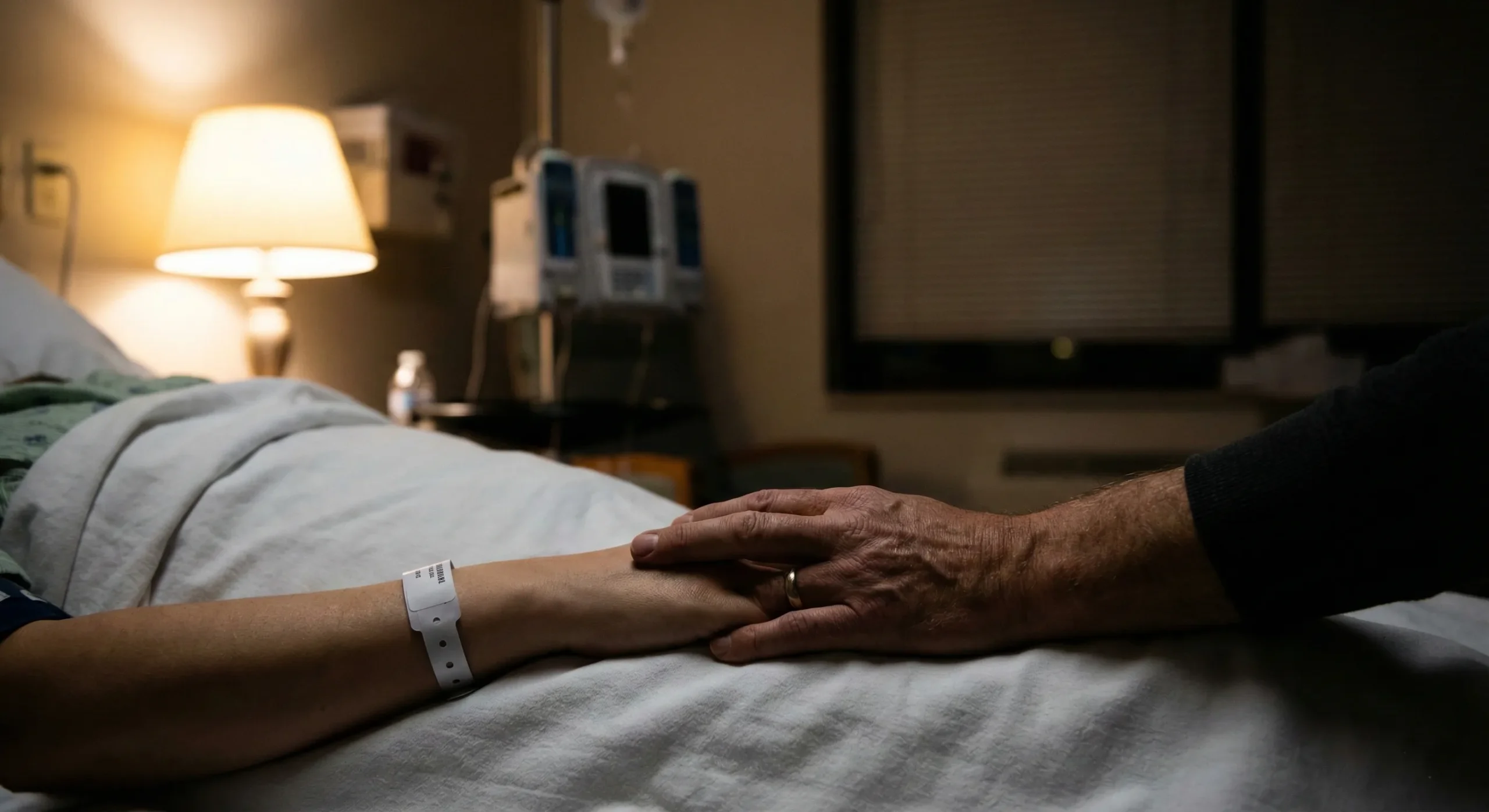
Icebreaker — Hannah Grace

The recovery-architecture gateway. Icebreaker isn’t strictly a sports medicine book, but the architecture is structurally present — the figure skater whose Olympic trajectory collides with a flooded rink, the careful management of two athletes’ competing physical needs, the recovery-and-rehabilitation framework that compresses Anastasia and Nathan into the same daily training architecture. Grace writes the body-first, physical-recovery framework with the precision the trope rewards.
For sports medicine romance readers, Icebreaker is the entry point — the BookTok juggernaut that explains why the injured-athlete-and-the-person-managing-the-recovery architecture keeps charting. The structural lessons map directly onto the more focused sports-medicine shelf below. Heat is moderate-to-high — Grace opens the door and stays inside it for the back half. Standalone with sequels.
The Deal — Elle Kennedy

The college-athletics recovery-adjacent gateway. The Deal builds its architecture around the body-first reality of college hockey — the training, the physical maintenance, the structural daily labor of an athlete’s body as a managed instrument. Garrett Graham’s hockey career is the load-bearing element, and the careful management of physical performance is the structural backdrop the romance is built against. Kennedy writes the athlete-body architecture with the precision the trope rewards.
For sports medicine romance readers, The Deal is the gateway that explains the athlete side of the architecture — the body as managed instrument, the physical maintenance as daily structural reality. The structural lessons map onto the sports-medicine shelf below from the patient’s perspective. Heat is high — on-page, sustained. Standalone within the Off-Campus series.

Common Goal — Sarina Bowen

The MM hockey recovery-architecture gateway. Common Goal builds its structural foundation around a thirty-eight-year-old goalie’s body — the late-career physical reality, the careful management of an aging athlete’s instrument, the structural awareness that the body is on a countdown. Jamie Canning’s role as the person paying careful attention to Mark’s physical and emotional recovery is the trope’s signature architecture: the slow, attentive, structurally specific care of one person managing another’s recovery.
Bowen does the recovery-attention MM at trad-pub structural extreme. Mark’s late-career body is the load-bearing element. Jamie’s careful attention — the structural counterpart to a sports medicine practitioner’s clinical care — is the engine. The slow recognition that being paid careful attention to is itself a form of being loved is the trope’s signature payoff. Heat is moderate. Standalone within the Brooklyn Bruisers series.
Tough Guy — Sarina Bowen

The enforcer-body recovery variant. Tough Guy builds its architecture around Patrick “Brut” O’Doul, a hockey enforcer — the role that structurally absorbs the most physical damage on the roster. The enforcer’s body is a managed-injury instrument, a structural reality of accumulated physical cost, and the recovery-architecture the role demands is constant. Bowen writes the body-as-managed-damage architecture with the seriousness the trope rewards.
Bowen does the accumulated-physical-cost MM with structural precision. Brut’s body is the load-bearing element — the enforcer role as a structural commitment to physical damage. The careful management of recovery, the single-fatherhood, the slow recognition that someone paying attention to the cost is a form of being loved — every architectural lever the sports-medicine-adjacent trope rewards. Heat is moderate. Standalone within the Brooklyn Bruisers series.

The Friend Zone (Abby Jimenez) & Birthday Girl (Penelope Douglas)
Two more recovery-architecture gateway entries worth knowing. The Friend Zone (Abby Jimenez) does the medical-recovery architecture in a contemporary register — the careful management of a serious health diagnosis as the structural load-bearing element of the romance, with the recovery framework treated with the seriousness the trope rewards. Birthday Girl (Penelope Douglas) does the caretaking-architecture variant — the structural daily attention of one person managing another’s well-being, the framework that maps onto sports medicine’s practitioner-patient care dynamic. Both mainstream-to-high heat gateways before the indie KU shelf takes the heat ceiling fully off.
Get The Friend Zone on Amazon → · Get Birthday Girl on Amazon →

Indie KU Sports Medicine & Athletic Trainer — Where the Recovery Earns the Combustion
Here’s what the trad-pub gateway shelf does well: the architectural setup, the body-first reality, the recovery framework as structural foundation. Here’s what it doesn’t always do: the explicit on-page work at the moment the clinical touch becomes personal, with the indie KU heat ceiling fully off, and the practitioner actually on the page — not the athlete’s perspective alone, but the physical therapist, the team doctor, the trauma therapist, the athletic trainer doing the literal hands-on work.
The indie KU sports medicine shelf is currently the strongest place in romance for those architectural moments. Six titles below — across four pen names, every major pairing configuration — each running High to Inferno-tier on-page heat earned by the trope’s signature recovery architecture. An MM sports-medicine therapist and closeted athlete with a first-time arc. An MM hockey enforcer and the team doctor keeping him alive. An MMM firefighter trauma-recovery with a therapist. An MM hockey veteran mentoring a rookie through the physical reality of the pro game. An FF basketball athletic-trainer dynamic. An MF physical-recovery protector variant.
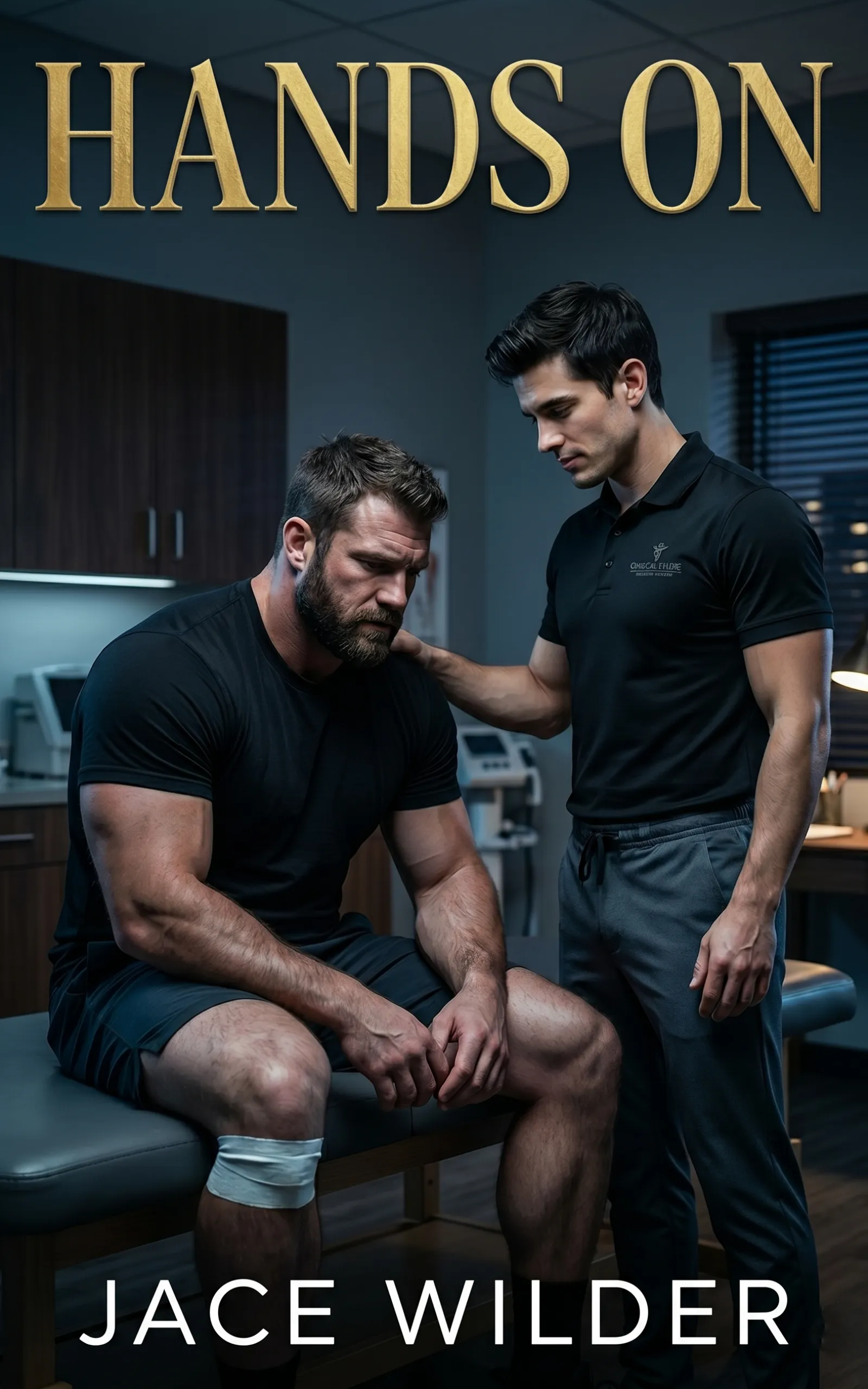
Hands On — Jace Wilder (M/M Sports Medicine, Inferno Heat)
The sports-medicine MM architectural extreme — the anchor of the indie KU sports-medicine shelf. Marcus Reed has spent fifteen years being the largest, quietest closeted athlete in his league. The injury that pulls him off the field puts him in the hands of Julian — the sports medicine therapist whose job is to put Marcus’s body back together and who is, by chapter four, starting to take Marcus’s whole life apart instead. The treatment room is the architecture: the scheduled sessions, the clinical touch, the slow daily rehabilitation work.
Jace Wilder does the sports-medicine MM with extraordinary care. Marcus’s injury and recovery timeline is the load-bearing element — the trope rewards books that treat the rehabilitation as structurally real, and Hands On puts the actual physical-therapy work on the page. Julian’s professional restraint cracking under the weight of what he’s recognizing about his patient is the structural counterpart. The size difference, the touch-starved arc, the closeted-athlete architecture, the first-time-bottoming arc handled with the tenderness the trope rewards. 140,000 words of architectural patience. Inferno-tier. Sports medicine. Patient/practitioner. Closeted athlete. Bi awakening. Size difference. Praise kink. Hurt/comfort. First time bottoming. Read Hands On on all retailers →
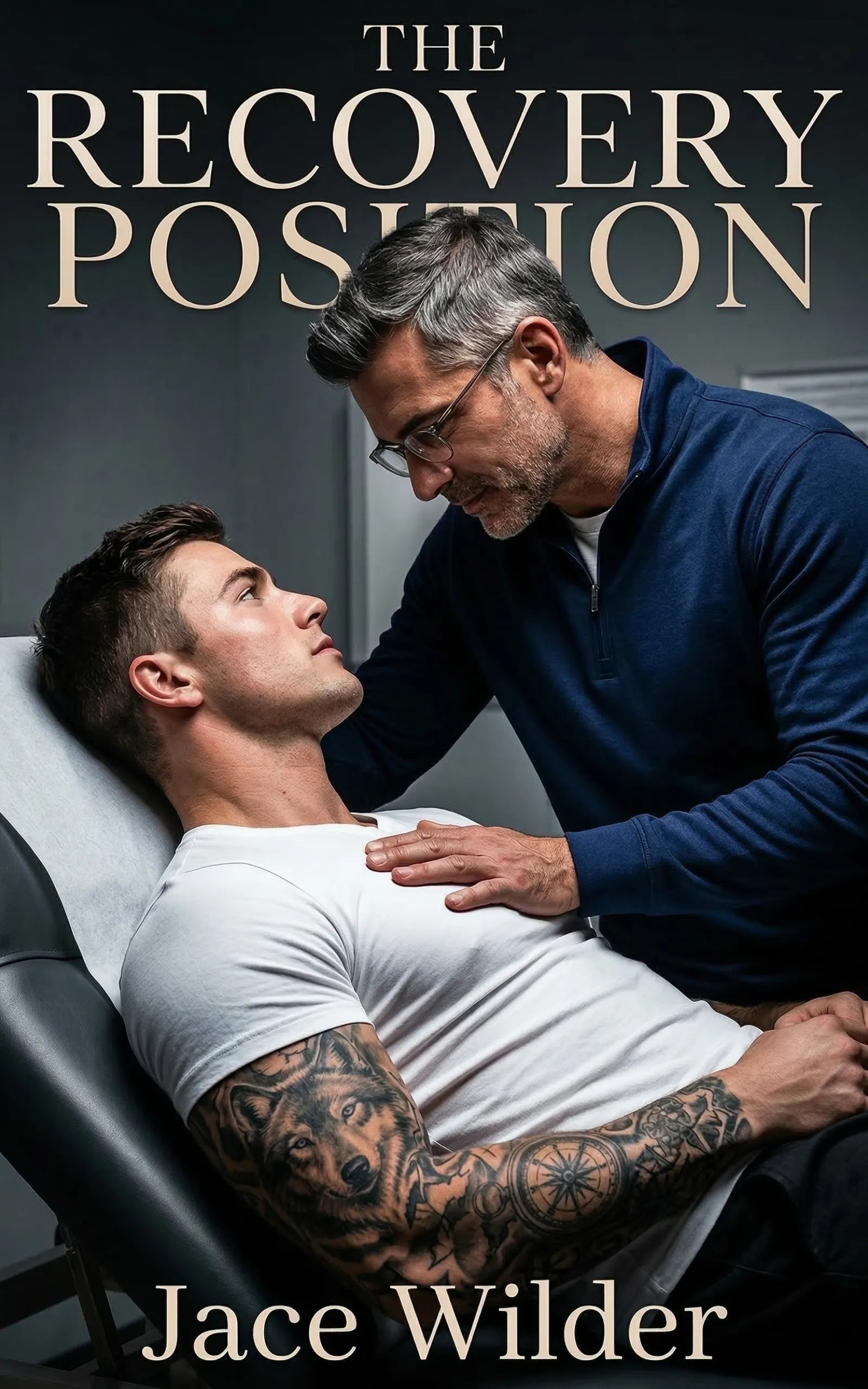
The Recovery Position — Jace Wilder (M/M Sports Medicine, Inferno Heat)
The hockey enforcer/team doctor sports-medicine MM variant. Colt “Wrecker” Maddox is the Portland Riptide’s enforcer — 6’3″ of reckless muscle, missing a tooth, always sporting damage. He fights because fighting is the only thing keeping him together. The team doctor assigned to keep him alive is older, sharper, and structurally specific in a way Colt has been refusing to look at for three years. The treatment room is the architecture — the recurring injuries, the scheduled appointments, the clinical touch that becomes the only careful attention Colt has let anyone give him.
Jace Wilder does the hockey enforcer sports-medicine MM at architectural extreme. Colt’s accumulated injury is the load-bearing element — the enforcer body as a structural commitment to damage, the team doctor as the person whose job is the recovery. The 18-year age gap is structurally significant. The doctor/patient ethics are treated with seriousness. The slow corruption of “don’t fix me” into the recognition that being kept alive by someone who cares is itself a form of love is the trope’s signature payoff. Inferno-tier. Sports medicine. Doctor/patient. Age gap (18 yrs). Hurt/comfort. Praise kink. Touch starved. Brat/tamer. Read The Recovery Position free on KU →

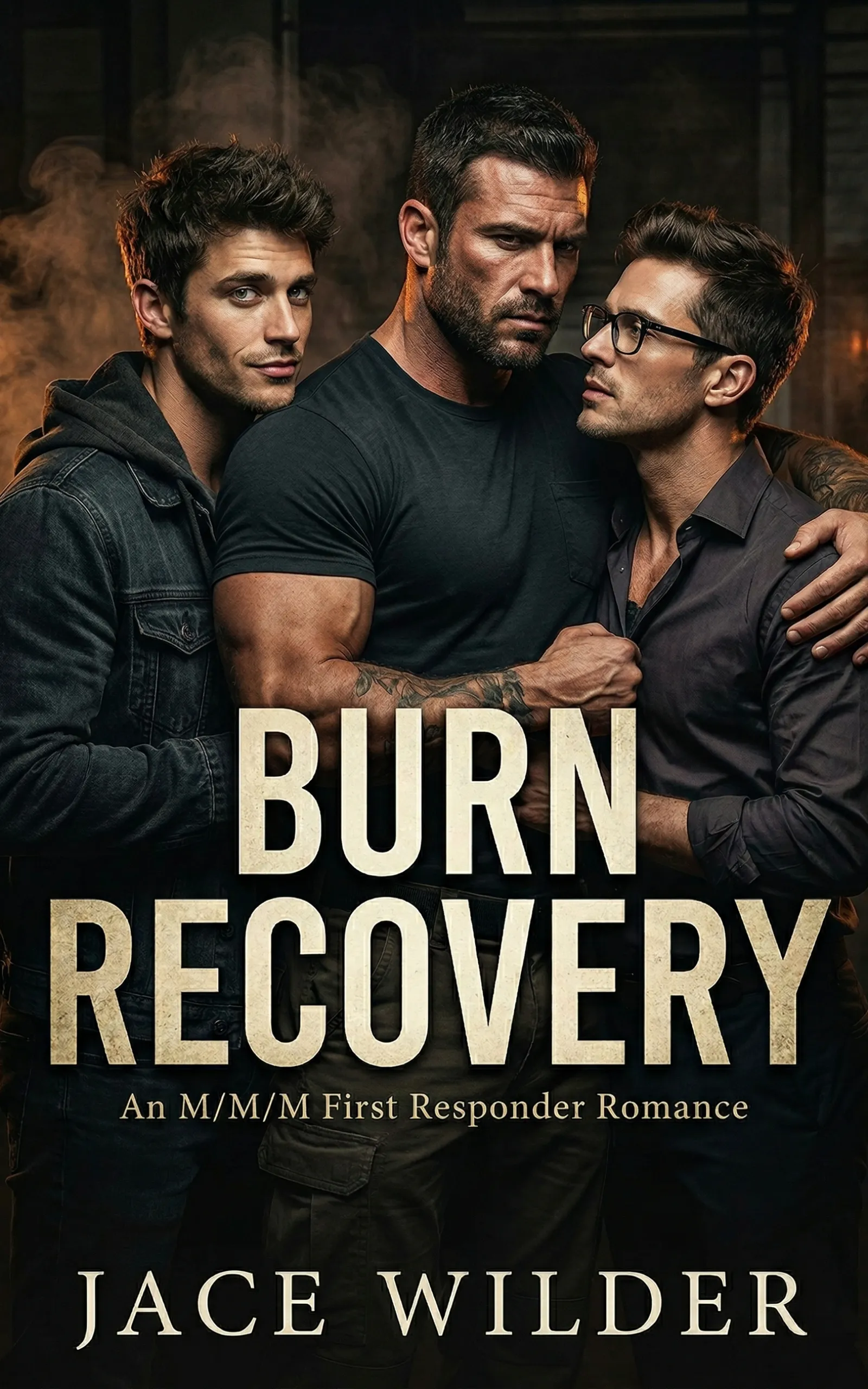
Burn Recovery — Jace Wilder (M/M/M Sports Medicine, Inferno Heat)
The MMM trauma-recovery practitioner variant. Jordan Reed nearly died in a structure fire. Third-degree burns. Eighteen months of silence. Four fired therapists. He’s done letting people in — until a man with crooked glasses asks him the one question nobody else thought to ask. Eli Voss is the trauma therapist whose job is to help Jordan heal. The recovery is the architecture — the trauma-therapy sessions, the careful practitioner attention, the slow daily rehabilitation work of a body and a mind that nearly didn’t make it.
Jace Wilder does the MMM trauma-recovery practitioner romance at architectural extreme. Jordan’s eighteen-month silence and physical recovery is the load-bearing element. Eli’s professional restraint as a trauma therapist is the structural counterpart — the practitioner whose clinical care becomes something neither of them can keep clinical. The Why Choose architecture compresses against the recovery-therapy ethics. Inferno-tier. Sports medicine. Trauma therapy. Patient/practitioner. Hurt/comfort. Forbidden romance. Found family. MMM. Why Choose. Read Burn Recovery on all retailers →

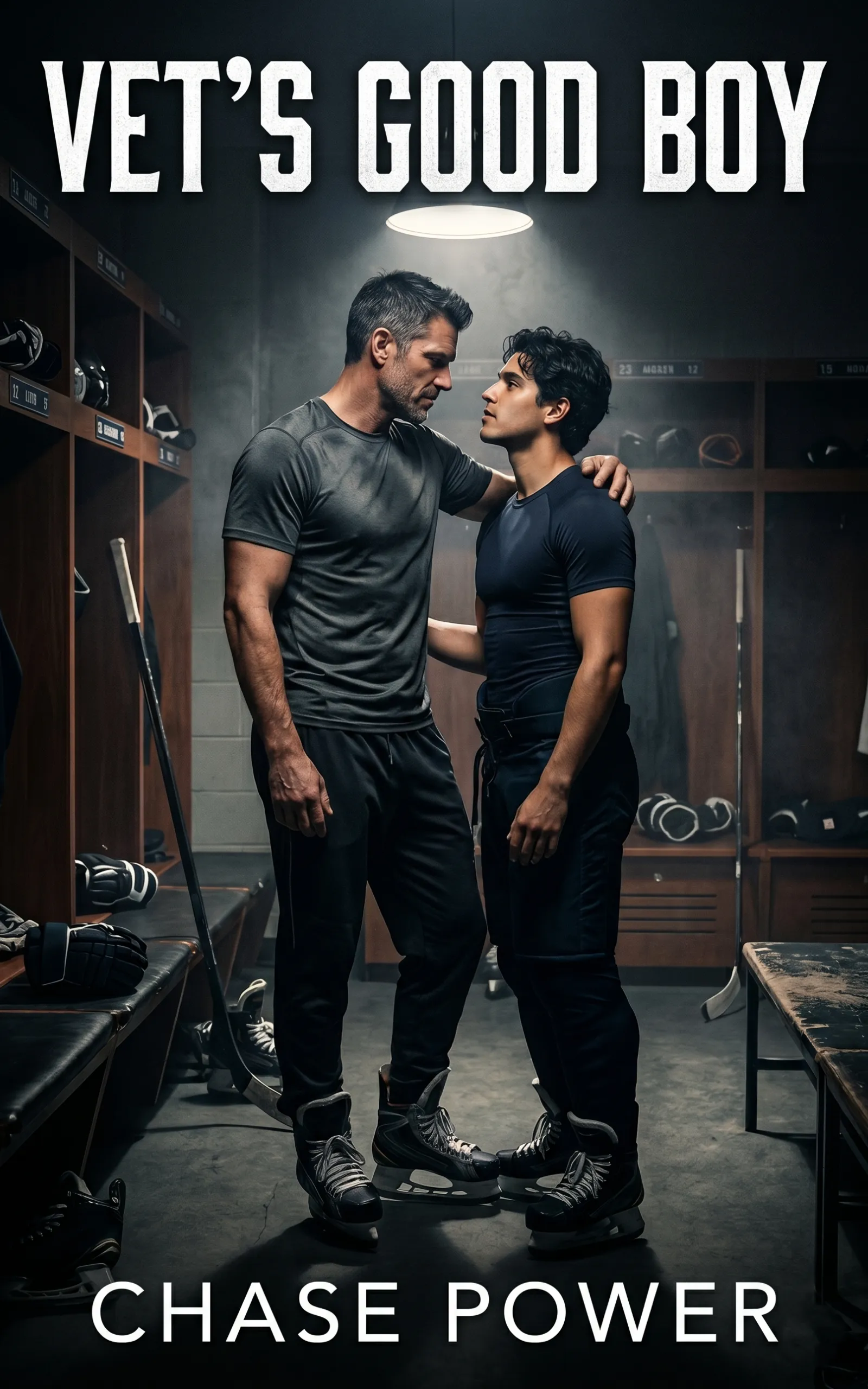
Vet’s Good Boy — Chase Power (M/M Sports Medicine-Adjacent, Inferno Heat)
The hockey veteran/rookie body-mentorship variant. Dave Sullivan is forty-four years old, twenty-five years into a career that’s about to end, and structurally the most knowledgeable person on the roster about the physical reality of the pro game — the injury management, the body maintenance, the recovery architecture an aging athlete has to live inside. Jordan is the rookie assigned to him for mentorship. The veteran’s structural role is to teach the rookie how to manage a body through a professional career, and the mentorship architecture compresses them into daily contact.
Chase Power does the hockey veteran/rookie body-mentorship with structural precision. Dave’s late-career body-knowledge is the load-bearing element — the recovery-and-maintenance architecture an athlete accumulates over twenty-five years. The mentorship arc is the structural lock-in. The age gap, the praise kink, the slow recognition that the veteran teaching the rookie how to care for his body has been a form of being cared for is the trope’s signature payoff. Inferno-tier. Age gap (20 yrs). Mentor/lover. Body recovery. Praise kink. Touch starved. Forbidden. Read Vet’s Good Boy free on KU →

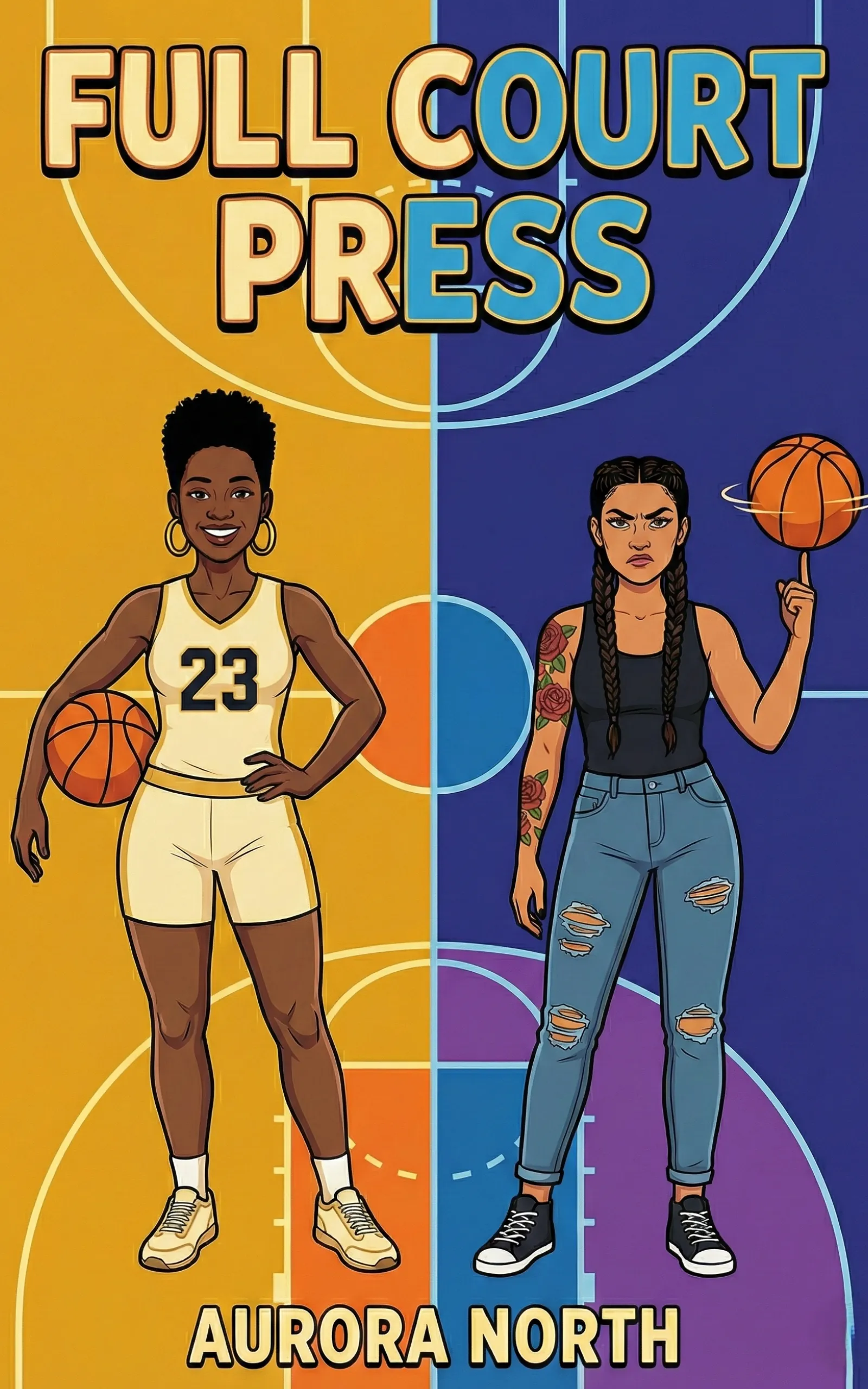
Full Court Press — Aurora North (F/F Athletic Trainer, Inferno Heat)
The FF basketball athletic-trainer variant. The architecture is structurally specific — a professional basketball player and the athletic trainer whose job is the structural management of that player’s body. The treatment room is the device: the scheduled rehabilitation sessions, the clinical hands-on work, the slow daily recovery architecture that compresses the player and the trainer into the same room with a legitimate, professional, ethically-bounded reason for the proximity.
Aurora North does the FF athletic-trainer sports medicine with the architectural rigor the trope demands. The player’s body as managed instrument is the load-bearing element. The athletic trainer’s clinical care is the engine — the professional hands-on work whose slow corruption into something personal is structurally charged precisely because the legitimacy of the clinical touch is what makes the crossing-over matter. The practitioner-patient ethics are treated with seriousness. Inferno-tier. Athletic trainer. Sports medicine. Patient/practitioner. Sapphic. Slow burn. Forced proximity. Read Full Court Press free on KU →


Grounded — Isla Wilde (M/F Recovery, Inferno Heat)
The MF physical-and-emotional-recovery variant. Sloane Winters used to be a VP of finance. Now she’s a disgraced fraud suspect hiding at a women’s shelter, fixing leaky drains and trying to remember who she was before someone destroyed her life with a lie. The recovery architecture in Grounded is structural — not a sports injury, but the physical-and-emotional rehabilitation of a person rebuilding from the ground up, with the electrician whose careful, methodical attention is the structural counterpart to a recovery practitioner’s clinical care.
Isla Wilde does the MF recovery-architecture with the structural commitment the trope demands. Sloane’s recovery is the load-bearing element — the careful, slow, methodical rebuilding of a life and a self. The electrician’s structural role as the patient, attentive presence managing the recovery from the outside is the engine. The slow recognition that being paid careful, methodical, structurally-specific attention is itself a form of being healed is the trope’s signature payoff. Inferno-tier. Recovery. Hurt/comfort. Protector romance. Blue collar. He falls first. Second chance. Slow burn. Read Grounded free on KU →
Why Sports Medicine & Athletic Trainer Romance Hits So Hard
The trope persists because it builds romance’s forced-proximity architecture into a clinical framework with a built-in ticking clock and a legitimate reason for touch.
Other proximity tropes have to manufacture the reason two people keep ending up in the same room. The lease. The team. The fae court. Sports medicine romance has the reason structurally built in: one body is injured, and the other person’s entire professional purpose is the recovery of that body. The treatment room is the architecture. The scheduled sessions are the structural lock-in. And the clinical legitimacy of the touch — the fact that the practitioner has a professional, ethically-bounded reason to have his hands on the patient — is precisely what makes the slow corruption of clinical into personal so structurally charged. The trope’s signature commitment is to that crossing-over, the moment the professional touch stops being only professional.
That’s why the trope rewards architectural seriousness about the recovery. Books that treat the injury as a plot device to be resolved off-page underdeliver. Books that put the actual rehabilitation on the page — the scheduled sessions, the clinical touch, the slow daily recovery work, the practitioner-patient ethics treated with real weight — are the books the trope is actually built for. Every title above respects this. Every title above treats the recovery as the structural foundation rather than as backstory.
And it’s why the on-page heat at the moment the clinical touch becomes personal matters so much. The trope’s signature payoff is the embodied confirmation that the careful attention was always more than clinical — every scheduled session, every professional hands-on moment, every bounded practitioner-patient interaction finally collapses into the on-page work the recovery architecture has been writing toward. Trad-pub gateway titles tend to handle this beat at moderate heat. Indie KU takes the heat ceiling fully off, and the result is the trope finally cashing the check the entire recovery has been writing.
That’s the gap the six titles above fill. The architectural commitment the gateway titles built the audience for, finally cashing both checks.
Frequently Asked Questions
What’s the spiciest sports medicine romance on Kindle Unlimited?
Hands On (Jace Wilder, MM sports medicine therapist/closeted athlete), The Recovery Position (Jace Wilder, MM hockey enforcer/team doctor), Burn Recovery (Jace Wilder, MMM trauma therapist), and Full Court Press (Aurora North, FF basketball athletic trainer) all run Inferno-tier on the indie KU shelf. All featured above. All free with Kindle Unlimited.
Best gateway sports medicine romance?
Icebreaker (Hannah Grace) for the recovery-and-rehabilitation architecture. The Deal (Elle Kennedy) for the athlete-body college variant. Common Goal (Sarina Bowen) for the MM hockey careful-attention architecture. Tough Guy (Sarina Bowen) for the enforcer accumulated-damage variant. The Friend Zone (Abby Jimenez) for the medical-recovery contemporary register. Birthday Girl (Penelope Douglas) for the caretaking-architecture variant.
Best MM sports medicine romance?
Hands On (Jace Wilder, MM physical therapist/closeted athlete) is the anchor — the most structurally specific sports-medicine MM on the indie KU shelf, with the actual physical-therapy work on the page. The Recovery Position (Jace Wilder, MM hockey enforcer/team doctor) and Burn Recovery (Jace Wilder, MMM trauma therapist) round out the MM picks. All featured above. All Inferno-tier.
Best sapphic athletic trainer romance?
Full Court Press (Aurora North, FF basketball player/athletic trainer) is the indie KU sapphic athletic-trainer pick featured above. Inferno-tier. Free with Kindle Unlimited.
What’s the difference between sports medicine romance and hurt/comfort?
Hurt/comfort is the broader trope — any romance where one protagonist carries trauma or injury and the other provides care. Sports medicine romance is a specific architectural subset: the caretaker is a professional practitioner (physical therapist, athletic trainer, team doctor, sports medicine specialist), the care is clinical and ethically bounded, and the treatment room is the structural setting. Most sports medicine romances are also hurt/comfort, but the sports-medicine trope’s signature commitment is to the practitioner-patient framework specifically — the legitimacy of the clinical touch and the structural charge of its slow corruption into the personal.
Are these books standalone?
Icebreaker is standalone with sequels. The Deal kicks off the Off-Campus series. Common Goal and Tough Guy are standalones within the Brooklyn Bruisers series. The Friend Zone kicks off a series. Birthday Girl is standalone. The Fractal Enigma indie titles featured above are all standalone first reads.
This post contains Amazon affiliate links. As an Amazon Associate, Fractal Enigma earns from qualifying purchases at no extra cost to you.
Never miss a release — join the newsletter for new books, exclusive bonus chapters, and reader-only giveaways. 🔥
The form you have selected does not exist.