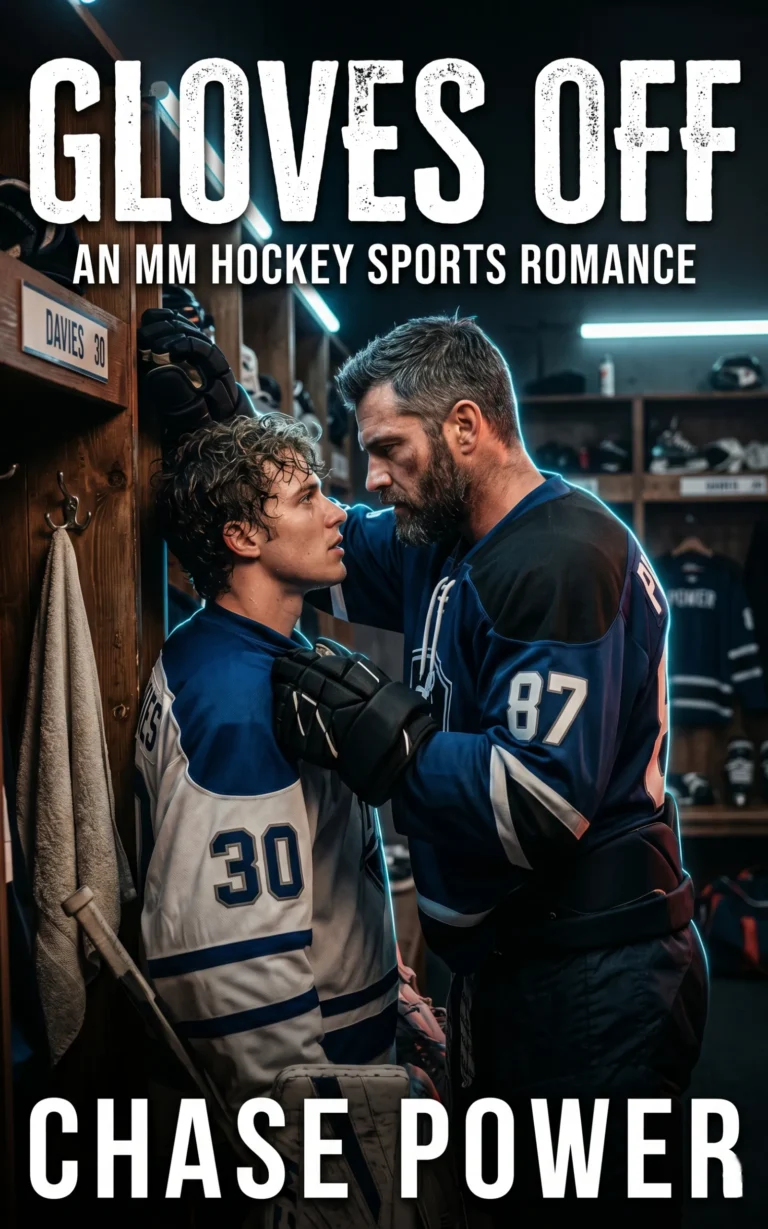

Best Blue Collar MM Romance Books 2026 — Where Competence Is the Love Language
Blue collar MM romance is the trope where competence is the love language. One protagonist — sometimes both — works with his hands for a living. The contractor, the electrician, the rancher, the firefighter, the mechanic, the framer. The work is real, articulated, structurally specific: not “he has a job” mentioned once in chapter two, but the actual texture of a life built around calloused hands, early mornings, physical competence, and the particular dignity of a man who shows love through what he can build, fix, repair, and carry. The work isn’t decoration. The work is the architecture — the structural foundation of who the protagonist is and how he loves.
The trope works because it strips away romance’s wealth fantasy and replaces it with something structurally rawer. The billionaire hero solves problems with money. The blue collar hero solves problems with competence — and competence, unlike money, is a form of attention. The trope’s signature payoff is the moment one protagonist watches the other do the thing he is genuinely, structurally good at — frame the wall, gentle the horse, run the rescue, rewire the panel — and recognizes that the competence is itself the love language, that a man who builds things well builds relationships the same way: carefully, with his hands, over time, in a way that holds.
Below: four trad-pub gateway comps plus six indie Kindle Unlimited titles where the work is real, the competence is treated with structural seriousness, and the on-page heat earns every calloused-hands moment. All featured below run High to Inferno-tier on-page heat. All free with Kindle Unlimited.

Common Goal — Sarina Bowen
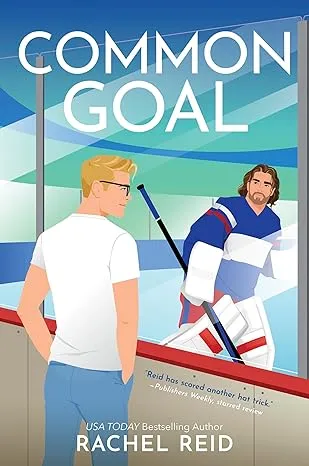
The working-life MM gateway. Common Goal isn’t a literal trades book — Mark Kilfeather is a professional goalie — but the architecture is structurally blue collar in the way that matters: Mark is a man defined by physical competence, by the daily grind of a body-first profession, by the working-class dignity of a guy whose entire identity is built around the thing he is good at with his hands. Jamie Canning is the assistant coach drawn to exactly that. Bowen writes the competence-as-love-language architecture with the precision the trope rewards.
Bowen does the physical-competence MM at trad-pub structural extreme. Mark’s body-first identity is the load-bearing element. The slow recognition that Jamie has been watching Mark’s competence and reading it correctly — as a form of attention, as a way of being in the world — is the trope’s signature payoff. Heat is moderate. Standalone within the Brooklyn Bruisers series.
Tough Guy — Sarina Bowen
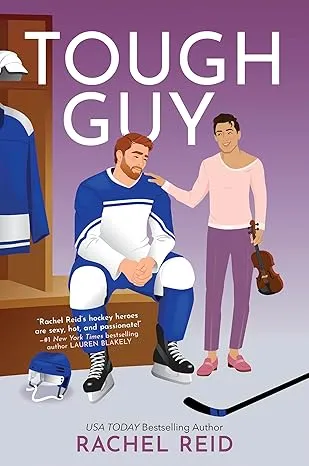
The physical-labor MM hockey variant. Patrick “Brut” O’Doul is the team enforcer — a man whose entire professional value is structurally built on physical work, on the willingness to do the hard, body-first labor nobody else on the roster wants. The enforcer role is blue collar in the structural sense: it’s the trades job of professional hockey, the role for the guy who shows up and does the difficult physical thing. Mike Beacon is the teammate who sees it correctly.
Bowen does the physical-labor MM with the structural seriousness the trope demands. Brut’s body-first identity is the load-bearing element. The single-fatherhood, the post-divorce architecture, the slow recognition that Brut’s competence has been a love language all along — every architectural lever the blue collar trope rewards. Heat is moderate. Standalone within the Brooklyn Bruisers series.
Things We Never Got Over — Lucy Score
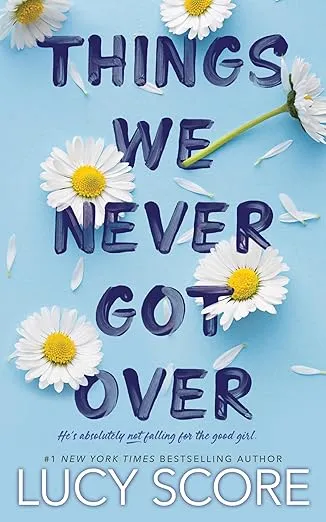
The blue collar small-town gateway. Things We Never Got Over isn’t an MM book — Knox and Naomi are an MF pairing — but it belongs in any blue collar gateway discussion because Knox Morgan is the architectural archetype the entire modern blue collar romance subgenre is built on: the bar owner, the man who works with his hands, the guy who could pay someone to fix the porch railing and fixes it himself because that’s structurally who he is. Score writes the competence-as-love-language with the texture the trope rewards.
For blue collar MM readers, Things We Never Got Over is the architectural foundation — the book that explains why the working-class-hero archetype keeps charting. The structural lessons map directly onto the MM shelf below. Heat is high — Score opens the door and stays inside it. Standalone within the Knockemout series.
Get Things We Never Got Over on Amazon →
Boyfriend Material — Alexis Hall
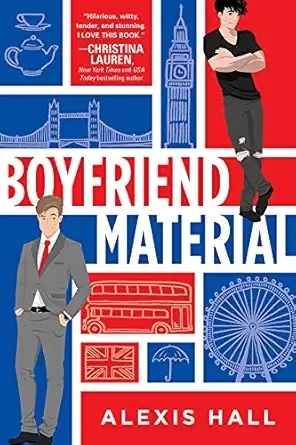
The architectural-contrast gateway. Boyfriend Material isn’t blue collar — both Luc and Oliver are professional-class — but it earns a place in the gateway discussion because Oliver Blackwood’s defining trait is structural competence: the man does things properly, carefully, with his hands when the situation calls for it, and Hall writes that competence as the quiet love language it structurally is. For readers crossing into blue collar MM, Boyfriend Material is the entry that explains why competence-as-attention is the architecture the whole subgenre is built on.
Hall does the competence-as-love-language at the highest tier on the trad-pub shelf. The voice is the masterclass. The patience is the trope’s signature commitment. Heat ceiling is mainstream-romcom — closed-door, mostly. Standalone with a sequel (Husband Material).
Get Boyfriend Material on Amazon →
Him (Bowen & Kennedy) & Kulti (Mariana Zapata)
Two more competence-architecture gateway entries worth knowing. Him (Sarina Bowen & Elle Kennedy) does the physical-competence MM hockey variant — two athletes whose entire identities are built around body-first professional competence, with the trope’s signature competence-as-attention architecture. Kulti (Mariana Zapata) is an MF pairing but belongs in the gateway discussion as the architectural masterclass in writing physical-competence-as-love-language — the slow-burn recognition of a working professional’s competence as the thing worth loving. Both gateways before the indie KU shelf takes the heat ceiling fully off.
Get Him on Amazon → · Get Kulti on Amazon →

Indie KU Blue Collar MM — Where the Competence Earns the Combustion
Here’s what the trad-pub gateway shelf does well: the architectural setup, the competence-as-love-language, the structural dignity of the working-class hero. Here’s what it doesn’t always do: the explicit on-page work at the moment the calloused-hands competence becomes intimacy, with the indie KU heat ceiling fully off, and the actual trades on the page — not body-first athletes standing in for blue collar, but contractors, electricians, ranchers, firefighters doing the literal work.
The indie KU blue collar MM shelf is currently the strongest place in romance for those architectural moments. Six titles below — all MM — each running High to Inferno-tier on-page heat earned by the trope’s signature competence-as-love-language architecture. A contractor/architect second-chance renovation. A tattooed contractor and a librarian. A wealthy rancher and a ranch hand. A firefighter mentor and rookie. A widower rancher. A mature MM tradesman rebuilding a life.
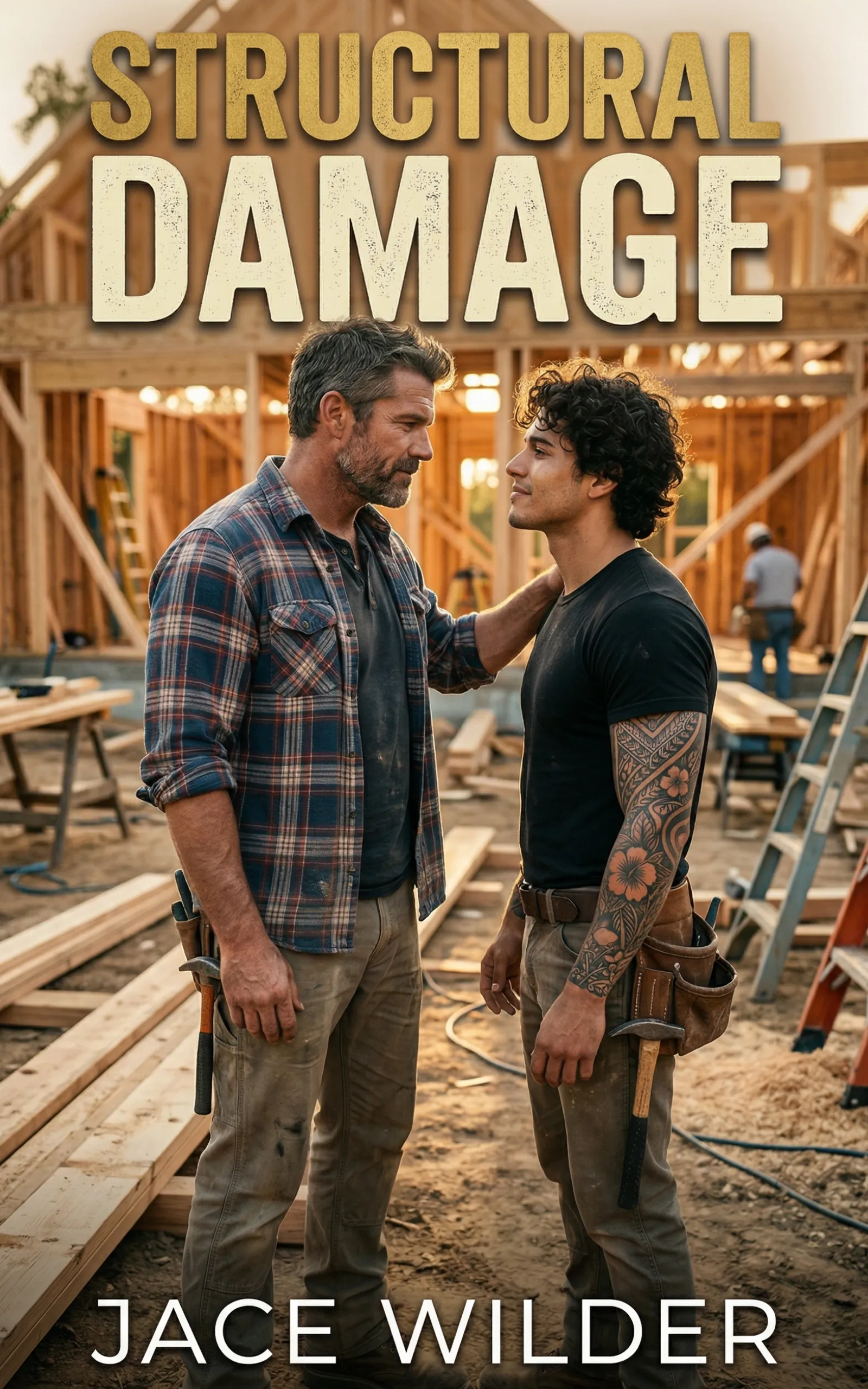
Structural Damage — Jace Wilder (M/M Blue Collar, Inferno Heat)
The contractor/architect blue collar MM architectural extreme. The blue-collar contractor who never left town and the architect who came back to handle his mother’s estate are about to share a job site for the duration of a renovation neither of them was prepared to be working on together. The contractor’s competence is the load-bearing element — the actual trades work, the framing, the careful repair, the daily physical labor that is structurally how this man has always shown up in the world.
Jace Wilder does the MM blue collar contractor with the structural rigor the trope demands. The contractor’s quiet competence is the engine — the architect’s slow recognition that watching this man work is itself a form of being courted. The renovation timeline is the structural lock-in. The second-chance architecture compresses against the daily reality of the job site. Inferno-tier. Blue collar. Competence kink. Second chance. Forced proximity. Small town. Praise kink. Read Structural Damage free on KU →
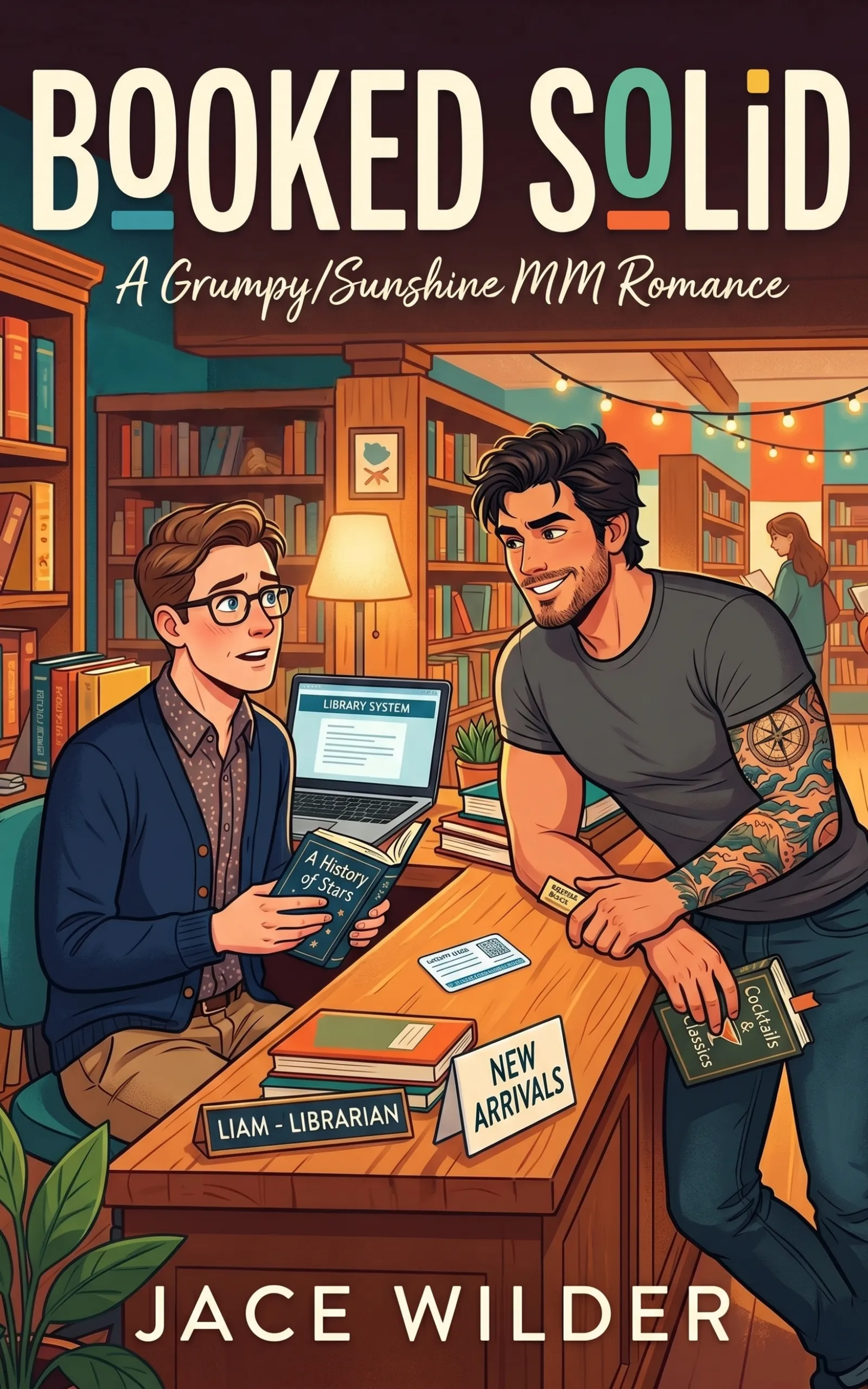
Booked Solid — Jace Wilder (M/M Blue Collar, Inferno Heat)
The tattooed-contractor blue collar MM variant. The library renovation project pairs a quiet, bookish, professionally-restrained librarian with the tattooed contractor brought in to redo the children’s wing. The contractor is the blue collar architecture — the trades work, the physical competence, the calloused-hands dignity of a man whose love language is structurally what he can build. The class-difference dynamic is the engine: the librarian and the contractor occupy structurally different worlds, and the renovation timeline is the architecture that brings them into daily contact.
Wilder does the MM blue collar class-difference with the structural commitment the trope demands. The contractor’s competence is the load-bearing element. The librarian’s slow recognition that watching the contractor work is itself a form of being courted is the trope’s signature payoff. Inferno-tier. Blue collar. Class difference. Opposites attract. Competence kink. Praise kink. Slow burn. Read Booked Solid free on KU →

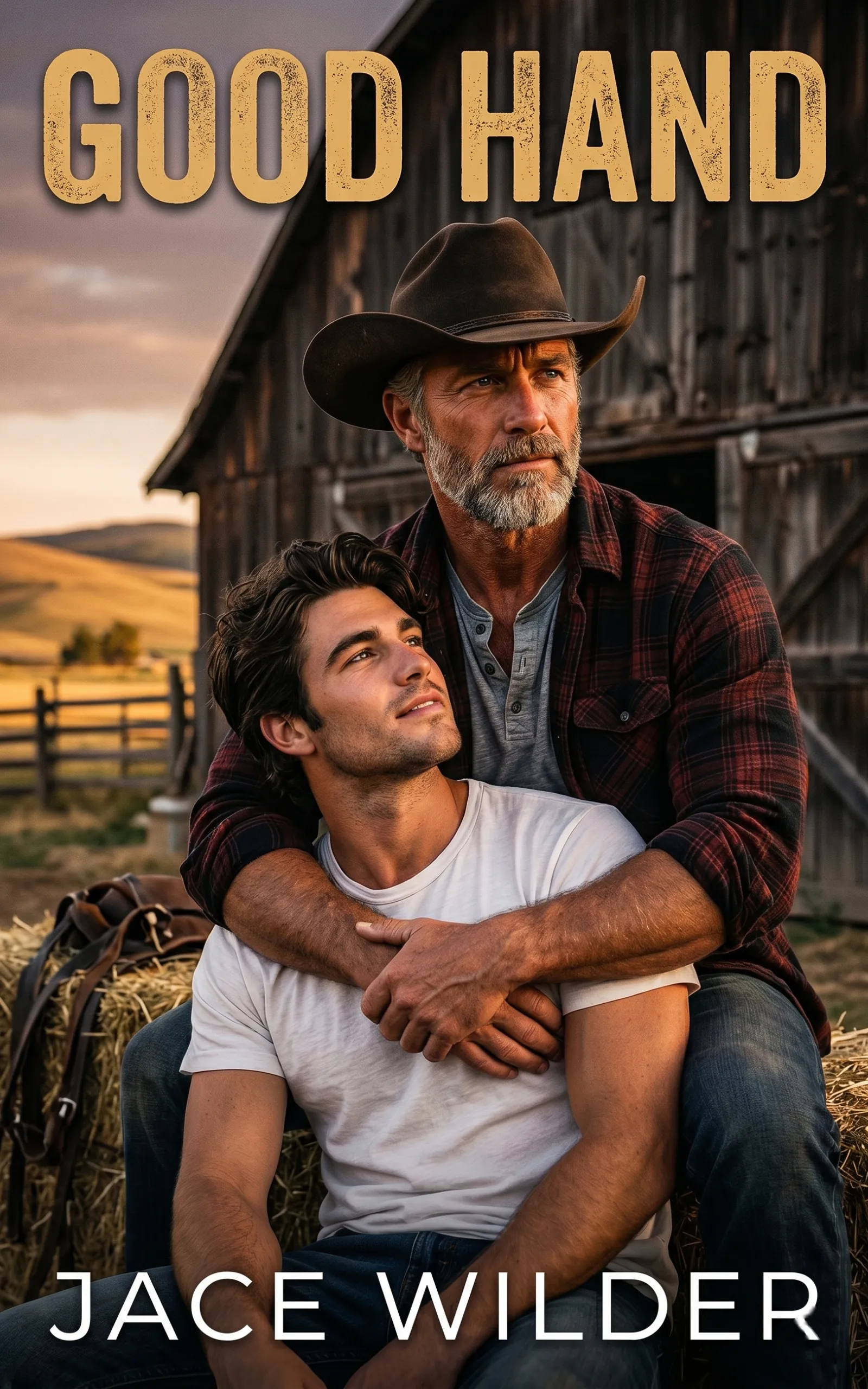
Good Hand — Jace Wilder (M/M Blue Collar, Inferno Heat)
The ranch blue collar MM variant. The rancher owns the spread — the land, the herd, the structural daily labor of running cattle. The ranch hand who shows up looking for work is the structural counterpart: another man whose competence is his entire professional identity. The ranch is real — calving season, fence repair, the early mornings, the physical work that fills every daylight hour. The blue collar architecture is the foundation: two men who both speak the language of competence, working the same land.
Jace Wilder does the MM ranch blue collar with the architectural rigor the trope demands. The actual ranch work is the load-bearing element — the trope rewards books that put the labor on the page, and Good Hand does. The slow recognition that two competent men working the same land have been courting each other through the work itself is the trope’s signature payoff. Inferno-tier. Blue collar. Cowboy/rancher. Competence kink. Forced proximity. Boss/employee. Slow burn. Read Good Hand free on KU →

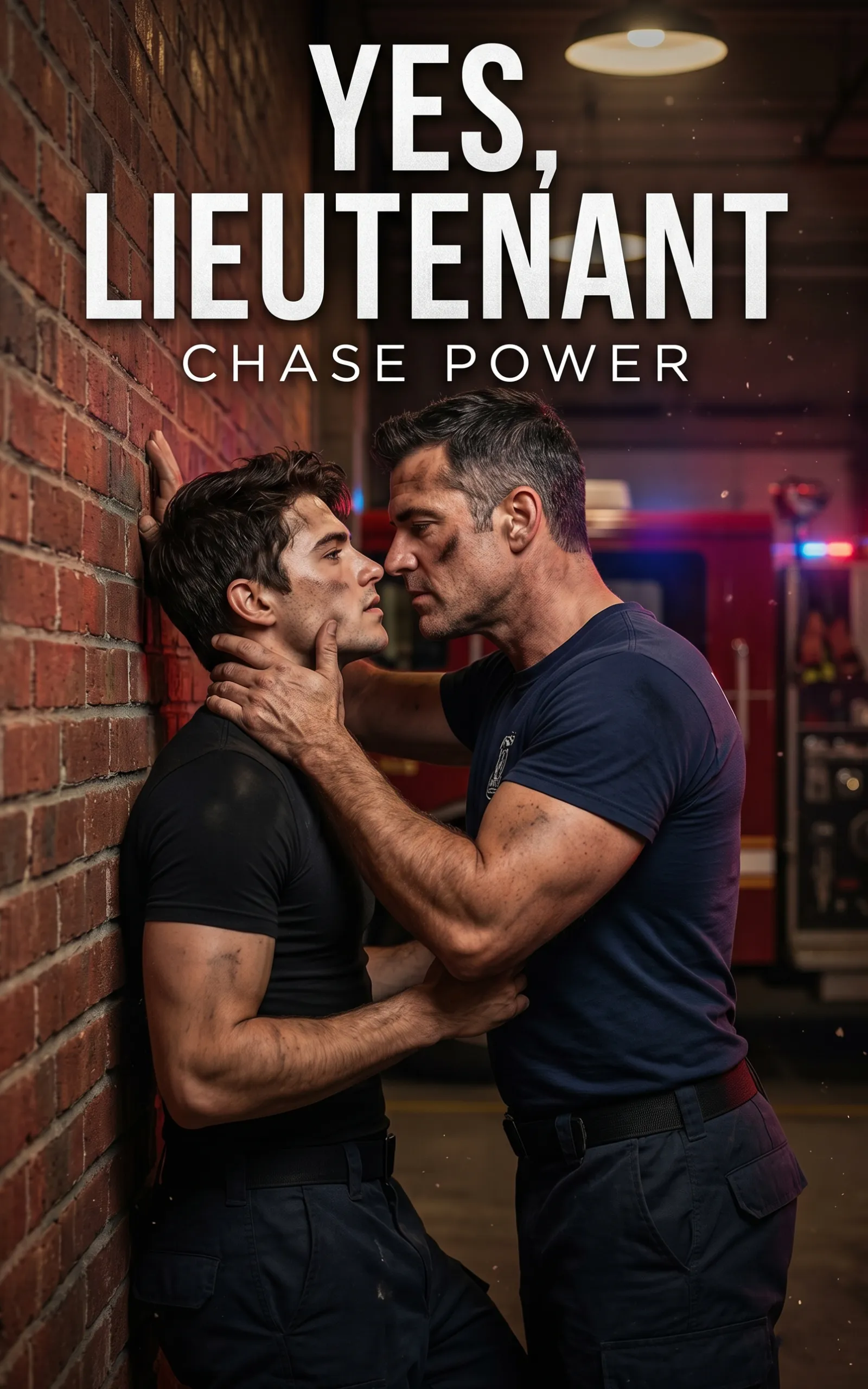
Yes, Lieutenant — Chase Power (M/M Blue Collar, Inferno Heat)
The firefighter blue collar MM variant. Lieutenant Elias “Eli” Rourke hasn’t slept through the night in six years. He runs Station 27 with iron discipline. Firefighting is the blue collar architecture at its most structurally specific — the physical labor, the body-first competence, the calloused-hands dignity of a profession built around showing up to do the hard, dangerous, necessary thing. The rookie who can’t stop pushing him is younger, sharper, and structurally drawn to exactly the competence Eli has built his entire identity around.
Chase Power does the MM firefighter blue collar with the structural rigor the trope demands. Eli’s six-year grief is the load-bearing element — the iron-discipline station leadership, the physical competence that has structurally been his only stable language since the loss. The rookie’s slow recognition that the lieutenant’s competence is itself the love language is the trope’s signature payoff. Inferno-tier. Blue collar. Firefighter. Mentor/rookie. Competence kink. Hurt/comfort. Authority kink. Read Yes, Lieutenant on all retailers →

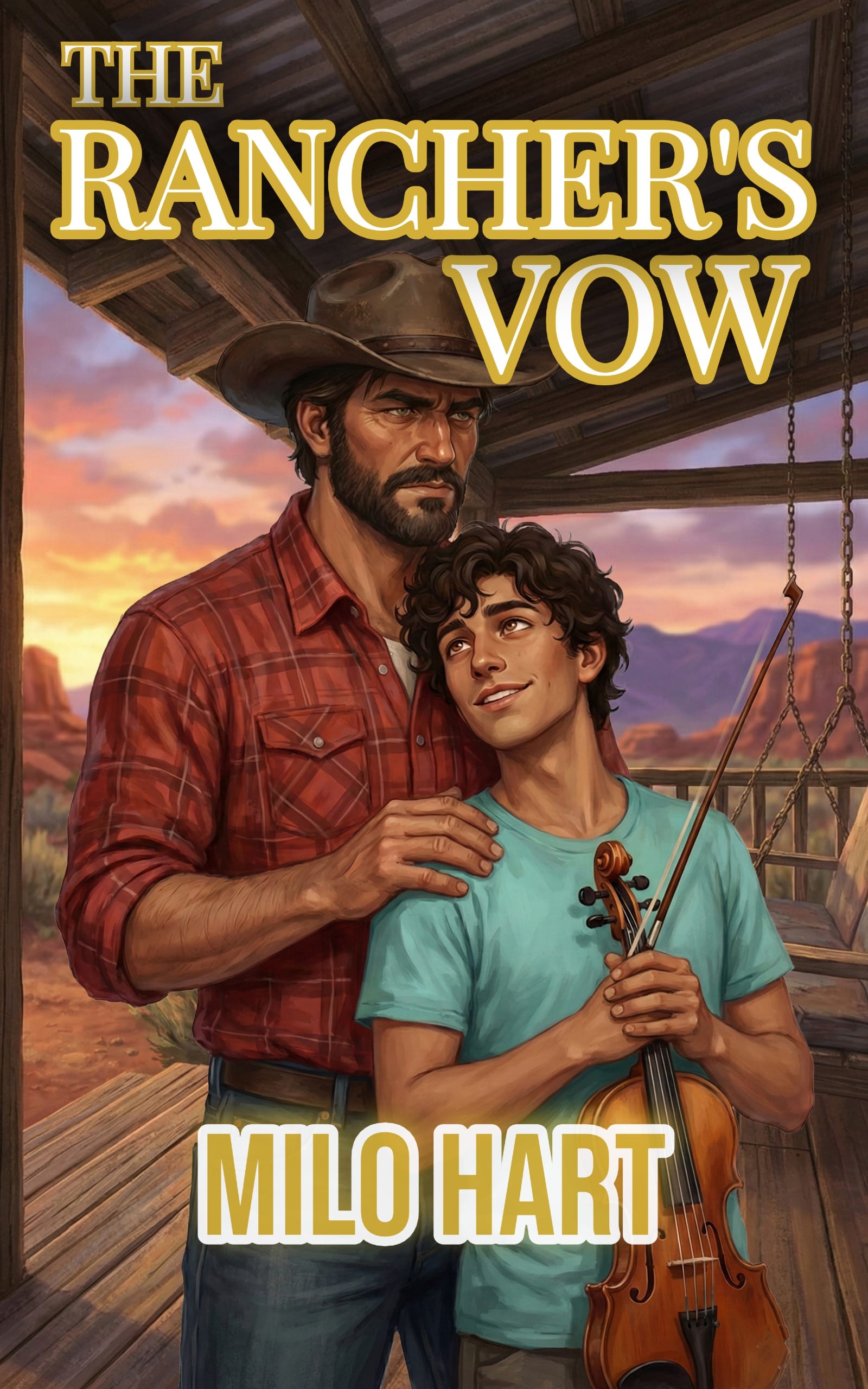
The Rancher’s Vow — Milo Hart (M/M Blue Collar, High Heat)
The widower-rancher blue collar MM variant. The rancher has been running the operation alone since his husband died — the cattle, the books, the late nights with the calving herd, the daily physical labor of a working ranch carried by one man. The blue collar architecture is total: this is a life built around competence, around the trades work of running cattle, around the calloused-hands dignity of a man who has structurally never known another way to show up. The younger man who arrives to help is the structural counterpart.
Milo Hart writes the widower-rancher blue collar MM with the architectural patience the trope demands. The ranch work is the load-bearing element — calving season, fence repair, the actual labor on the page. The widower grief compresses against the daily competence. The slow recognition that the man who showed up to help has been reading the rancher’s competence correctly — as a love language, as a way of holding a life together — is the trope’s signature payoff. High heat. Blue collar. Widower. Rancher/cowboy. Mature MM. Competence kink. Hurt/comfort. Small town. Read The Rancher’s Vow free on KU →

Broken & Rebuilt — Milo Hart (M/M Blue Collar, High Heat)
The mature-tradesman blue collar MM variant. The protagonist has spent his entire adult life working with his hands — the trades, the physical labor, the structural competence of a man whose whole identity is built around what he can build and fix. The life he constructed has structurally come apart, and the rebuilding — of the house, of the routine, of the self — is the architecture. The man who walks into the structurally specific gap is the trope’s signature payoff.
Milo Hart writes the mature blue collar MM with the architectural seriousness the trope demands. The trades competence is the load-bearing element — the protagonist’s lifelong relationship with physical work, the dignity of a man who has always shown love through what his hands can do. The rebuilding architecture is the engine — a man reconstructing a life, and the slow recognition that the rebuilding has structurally never been a solo project. High heat. Blue collar. Mature MM. Second chance. Competence kink. Hurt/comfort. Small town. Read Broken & Rebuilt free on KU →
Why Blue Collar MM Hits So Hard
The trope persists because it replaces romance’s wealth fantasy with something structurally rawer: competence as a form of attention.
The billionaire hero solves problems with money — and money, structurally, is a way of making problems disappear without being present for them. The blue collar hero solves problems with competence — and competence requires presence. It requires showing up, with your hands, doing the actual work, over time. The trope’s signature commitment is to competence as a love language: the recognition that a man who frames a wall properly, gentles a horse patiently, runs a rescue precisely, rewires a panel carefully is a man who will love the same way — with attention, with patience, with the structural reliability of someone who builds things that hold.
That’s why the trope rewards architectural seriousness about the work. Books that mention a trade in chapter two and forget it by chapter eight underdeliver. Books that put the actual labor on the page — the calving season, the renovation timeline, the firehouse shift, the trades work in its real texture — are the books the trope is actually built for. Every title above respects this. Every title above treats the work as the structural foundation rather than as a costume the hero wears.
And it’s why the on-page heat at the moment the competence becomes intimacy matters so much. The trope’s signature payoff is the embodied confirmation that the competence was always the love language — every careful repair, every patient piece of physical work, every calloused-hands moment finally collapses into the on-page work the competence-architecture has been writing toward. Trad-pub gateway titles tend to handle this beat at moderate heat. Indie KU takes the heat ceiling fully off, and the result is the trope finally cashing the check the working-class architecture has been writing.
That’s the gap the six titles above fill. The architectural commitment the gateway titles built the audience for, finally cashing both checks.
Frequently Asked Questions
What’s the spiciest blue collar MM book on Kindle Unlimited?
Structural Damage (Jace Wilder, MM contractor/architect), Booked Solid (Jace Wilder, MM tattooed contractor/librarian), Good Hand (Jace Wilder, MM rancher/ranch hand), and Yes Lieutenant (Chase Power, MM firefighter) all run Inferno-tier on the indie KU shelf. All featured above. All free with Kindle Unlimited.
Best gateway blue collar MM romance?
Common Goal (Sarina Bowen) and Tough Guy (Sarina Bowen) for the physical-competence MM hockey variant. Things We Never Got Over (Lucy Score) for the small-town blue collar archetype (MF). Boyfriend Material (Alexis Hall) for the competence-as-love-language. Him (Bowen & Kennedy) for MM hockey. Kulti (Mariana Zapata) for the physical-competence slow burn masterclass (MF).
Best blue collar MM with the actual trades on the page?
Structural Damage (contractor/architect renovation), Good Hand (working cattle ranch), Yes Lieutenant (firehouse), and The Rancher’s Vow (widower’s working ranch) put the literal labor on the page — the renovation timeline, the calving season, the firehouse shift. All featured above. All free with Kindle Unlimited.
Best mature blue collar MM romance?
The Rancher’s Vow (Milo Hart, widower rancher) and Broken & Rebuilt (Milo Hart, mature tradesman starting over) are the indie KU mature blue collar MM picks featured above. Both High heat. Both free with Kindle Unlimited.
What counts as blue collar romance?
Blue collar romance features a protagonist whose work is skilled manual labor or the trades — contractor, electrician, mechanic, rancher, firefighter, framer, plumber, welder. The trope’s architectural foundation is competence-as-love-language: the working-class hero who shows love through what he can build, fix, and carry rather than through wealth. The distinction from billionaire romance is structural — blue collar romance strips away the money fantasy and replaces it with the dignity of physical competence and the presence that competence requires.
Are these books standalone?
Common Goal and Tough Guy are standalones within the Brooklyn Bruisers series. Things We Never Got Over kicks off the Knockemout series. Boyfriend Material has a sequel. Him is book one of a duology. Kulti is standalone. The Fractal Enigma indie titles featured above are all standalone first reads.
This post contains Amazon affiliate links. As an Amazon Associate, Fractal Enigma earns from qualifying purchases at no extra cost to you.
Never miss a release — join the newsletter for new books, exclusive bonus chapters, and reader-only giveaways. 🔥
The form you have selected does not exist.