

Best Bi Awakening Romance Books 2026 — The Trope Where Self-Discovery Is the Slow Burn
Bi awakening is the trope where the entire architecture of the slow burn lives inside the protagonist’s head. The other person is right there. The attraction is undeniable. The body has been quietly making its case for chapters. The only obstacle is the protagonist’s three-decade-long conviction that they are straight, and the slow, structurally inevitable recognition that they have been wrong about themselves the entire time.
The trope works because it does romance’s most internal architecture at the highest possible structural pressure. Other tropes externalize the obstacle — the rivalry, the fae court politics, the lease, the wedding. Bi awakening puts the obstacle inside the protagonist’s relationship with themselves, which means every chapter is a negotiation with a self-conception the protagonist has spent thirty years constructing. The kiss isn’t the climax. The recognition is. The kiss is the consequence.
Below: four trad-pub gateway comps that built the modern bi awakening shelf, plus six indie Kindle Unlimited titles across MM and FF where the trope’s architectural extreme — the careful, structurally precise unraveling of the straight self-conception — lands with on-page heat the trad-pub gateways tend to fade past. All featured below run Inferno-tier on-page heat. All free with Kindle Unlimited.
Boyfriend Material — Alexis Hall
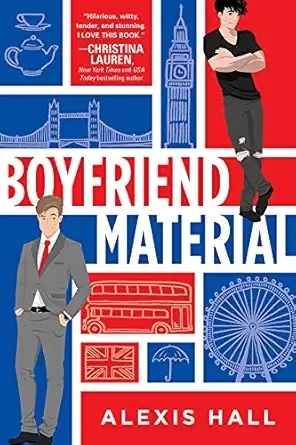
The trope-adjacent gateway. Boyfriend Material isn’t strict bi awakening — Luc has been out as gay since the book opens — but the architectural cousin to bi awakening is fully present in Oliver Blackwood’s careful, controlled, precisely-managed exterior cracking under the weight of the want he is not letting himself have for Luc. Hall does the slow-burn-self-recognition architecture at the highest tier on the trad-pub MM shelf, and the structural lessons map directly onto the bi awakening trope: the obstacle is internal, the protagonist’s relationship with themselves is the engine, the eventual surrender is the trope’s signature payoff.
For bi awakening readers crossing into MM contemporary, Boyfriend Material is the architectural foundation. The voice is precise. The slow recognition is paced with extraordinary patience. The eventual collapse of Oliver’s composure is the moment the trope cashes the check the first chapter wrote.
Heat ceiling is mainstream — closed-door, mostly. Standalone with a sequel (Husband Material).
Get Boyfriend Material on Amazon →
She Drives Me Crazy — Kelly Quindlen
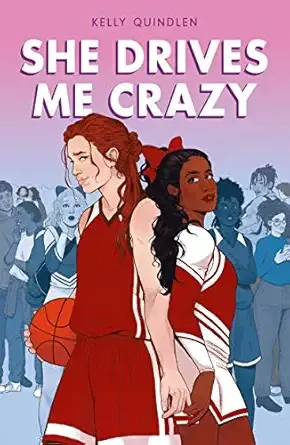
The YA sapphic bi-awakening gateway. Scottie Zajac is having the worst week of her life. She lost the basketball game. She broke up with her ex-girlfriend. And then, on the way home, she rear-ended Irene Abraham — the captain of the cheerleading squad and the human being Scottie has spent every day of her senior year actively despising. The rivalry is the cover story. The bi awakening is the engine. By the time Scottie figures out that the loathing she’s been performing for three years has been an elaborate cover for an attraction she was structurally incapable of acknowledging, the book has done the trope’s full architectural work.
Quindlen does the bi awakening at the YA register with extraordinary precision. The carpool-forced-proximity device locks Scottie into daily encounters she can’t escape. The slow corruption of her certainty about her own sexuality is paced with the patience the trope demands. For sapphic bi-awakening readers who want the gateway book that explains why the trope works, this is the entry.
Heat ceiling is YA-clean. Standalone.
Get She Drives Me Crazy on Amazon →

The Charm Offensive — Alison Cochrun
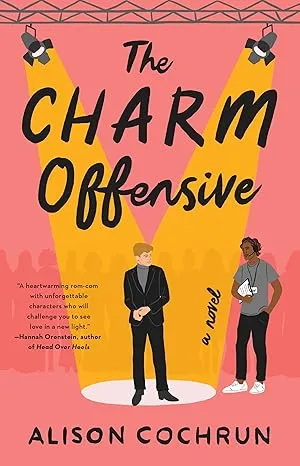
The reality-TV bi awakening. Charlie Winshaw is a tech CEO whose career imploded in spectacular public fashion and who has been contractually obligated to star on a Bachelor-style reality show called Ever After to rebuild his image. Twenty contestants. Every one of them a woman. Charlie cannot fake interest in any of them. Charlie can, however, listen to Dev — his showrunner, the brilliant earnest fairy-tale producer who has spent his entire adult life making other people’s romances real for television, and who is rapidly becoming the only person on set Charlie can actually talk to.
Cochrun does the bi awakening with extraordinary structural rigor. Charlie’s panic disorder, his tech-CEO history of carefully managed image, his slow recognition that his inability to want any of the female contestants has a structural explanation he has been refusing to look at — the architecture is precise, the pacing is patient, the eventual collapse of Charlie’s careful straight self-conception into the recognition of who he actually is is the trope’s signature payoff at the trad-pub gateway tier.
Heat is moderate — romcom-tier on-page. Standalone.
Get The Charm Offensive on Amazon →
The Cheat Sheet — Sarah Adams
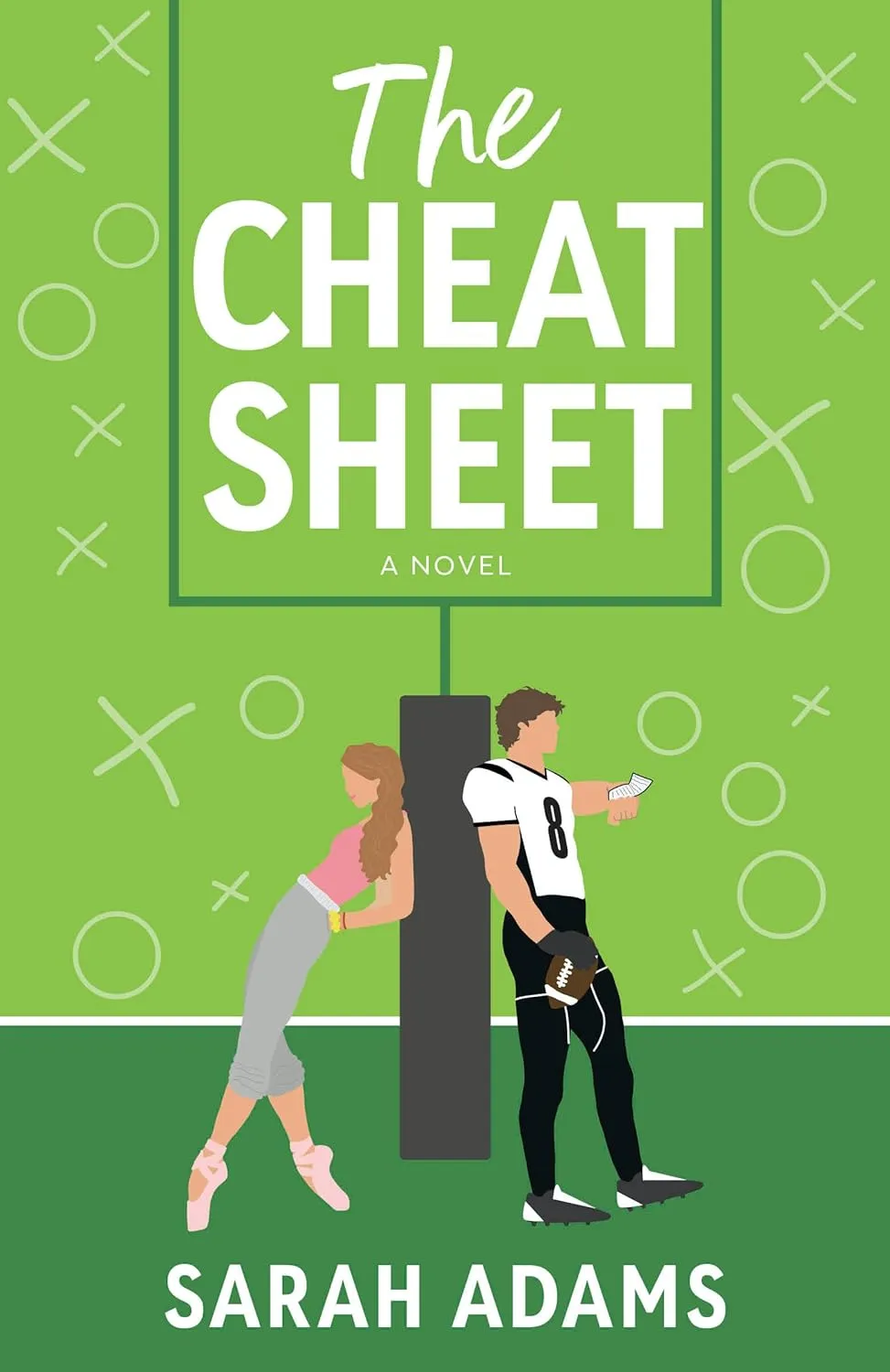
The platonic-friend-becomes-something-else gateway. The Cheat Sheet isn’t strict bi awakening either — Bree and Nathan are both straight — but the architectural cousin to the trope is fully present: two people who have spent fifteen years performing platonic friendship over an attraction neither of them has been willing to acknowledge. The slow, structurally inevitable recognition that the friendship was never platonic on either side is the same architectural beat the bi awakening trope rides on, in opposite-sex form.
Adams does the friend-recognition slow burn with the texture the trope rewards. The fifteen years of accumulated proximity are the engine. The fake-dating B-plot is the device. The eventual collapse of the platonic frame into the relationship that was always there is paced with the patience the architecture demands. For bi awakening readers who want the structural cousin in MF register, this is the entry.
Heat is mainstream-romcom. Standalone.
Get The Cheat Sheet on Amazon →
Red, White & Royal Blue — Casey McQuiston & One Last Stop
Two more recent additions to the trad-pub bi awakening shelf worth knowing. Red, White & Royal Blue (Casey McQuiston, 2019) does the bi awakening as romcom-political-thriller — the First Son of the United States and the Prince of Wales discover, through a series of carefully orchestrated political photo opportunities, that the rivalry they’ve been performing for the press has structurally been something else. One Last Stop (Casey McQuiston, 2021) does sapphic bi awakening as time-displacement urban fantasy — August spends the book recognizing that her conviction she doesn’t believe in love has been an elaborate cover for never having met someone who made her want to. Both are mainstream-heat, both are standalone, both are excellent gateway picks.
Get Red, White & Royal Blue on Amazon → · Get One Last Stop on Amazon →
Indie KU Bi Awakening — Where the Recognition Lands at Full Heat
Here’s the gap the trad-pub bi awakening shelf cannot fill. Hall, Quindlen, Cochrun, McQuiston — all of them build the trope’s architecture beautifully, with the kind of structural precision the genre demands. And almost all of them fade past the door at the moment the bi awakening protagonist’s careful straight self-conception finally collapses into the on-page recognition the slow burn has been building toward.
The indie KU shelf is currently the strongest place in romance for that architectural moment to land without flinching. Six titles below — four MM, two FF — each running Inferno-tier on-page heat earned by the trope’s signature slow burn. Closeted hockey captains. Newly-divorced fathers learning what they actually want. Forty-year-old coworkers stranded in cabins. Runaway brides recognizing the woman in the florist’s van. Fifty-one-year-old curators meeting their younger volunteer. The architectural extreme of the trope, finally cashing the check.
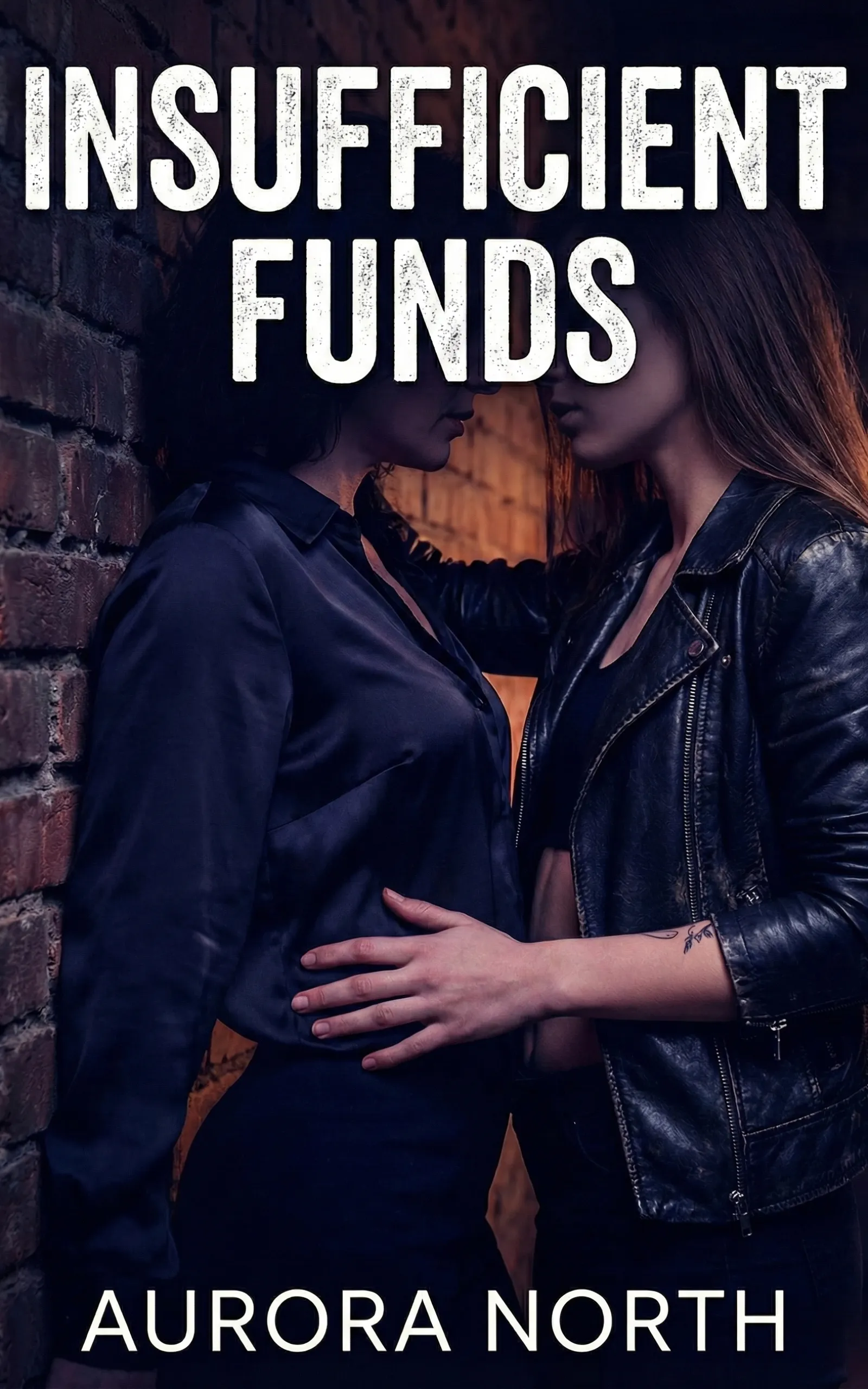
Insufficient Funds — Aurora North (F/F Bi Awakening, Inferno Heat)
Elena Vance is forty-two, married to a man worth twelve million dollars, and has never had an orgasm she didn’t perform. She lives in four thousand square feet of beige, kisses her husband’s cheek at six-thirty every morning, and drives a white Range Rover she never wanted. Then her credit card declines at a coffee shop, and the twenty-four-year-old barista on the other side of the counter looks at her like she sees the whole performance, and Elena’s carefully constructed life starts coming apart one careful concession at a time.
Insufficient Funds is the sapphic bi awakening at its architectural extreme. Aurora North writes the late-recognition variant — Elena at forty-two, married twenty years, finally meeting the woman who makes the entire performance of her straight life unsustainable — with the precision the trope demands. The age gap, the class difference, the infidelity arc — all earned, all on-page. The slow recognition that Elena has been building this lie since she was twenty-two is the trope’s signature payoff at the indie KU heat ceiling.
Inferno-tier. Bi awakening. Sugar mama. Forbidden. Class difference. Praise kink. Read Insufficient Funds free on KU →
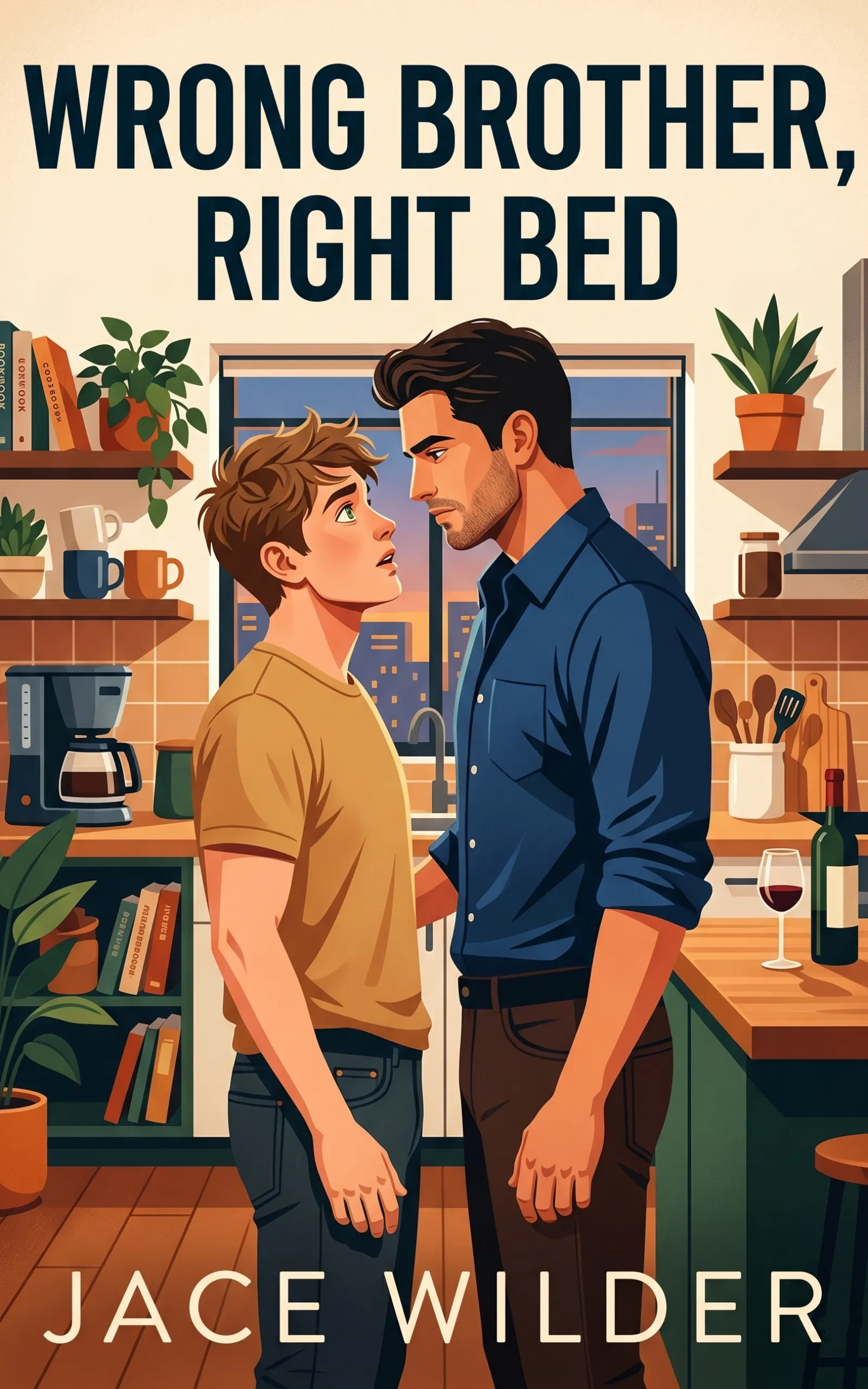
Wrong Brother Right Bed — Jace Wilder (M/M Bi Awakening, Inferno Heat)
The best-friend’s-brother bi awakening. Jamie Sullivan’s six-year engagement just imploded two months before the wedding. He needs a place to crash. His best friend Connor offers up the spare room at his older brother’s apartment — and Jamie, who has known Marc Donovan for ten years without ever looking at him, is about to spend three months sharing a wall with the man he should never have agreed to live with.
Wilder does the MM bi awakening with the structural precision the trope demands. The forbidden architecture is real — Connor is Jamie’s best friend, Marc is Connor’s older brother, the entire family network would implode. The age gap (Marc is forty-one, Jamie is thirty-three) adds structural weight. The slow recognition that Jamie has been failing at engagements for a reason he has never permitted himself to look at is the trope’s signature payoff at the indie KU register.
Inferno-tier. Bi awakening. Best friend’s brother. Forbidden. Praise kink. Coming out. Read Wrong Brother Right Bed free on KU →

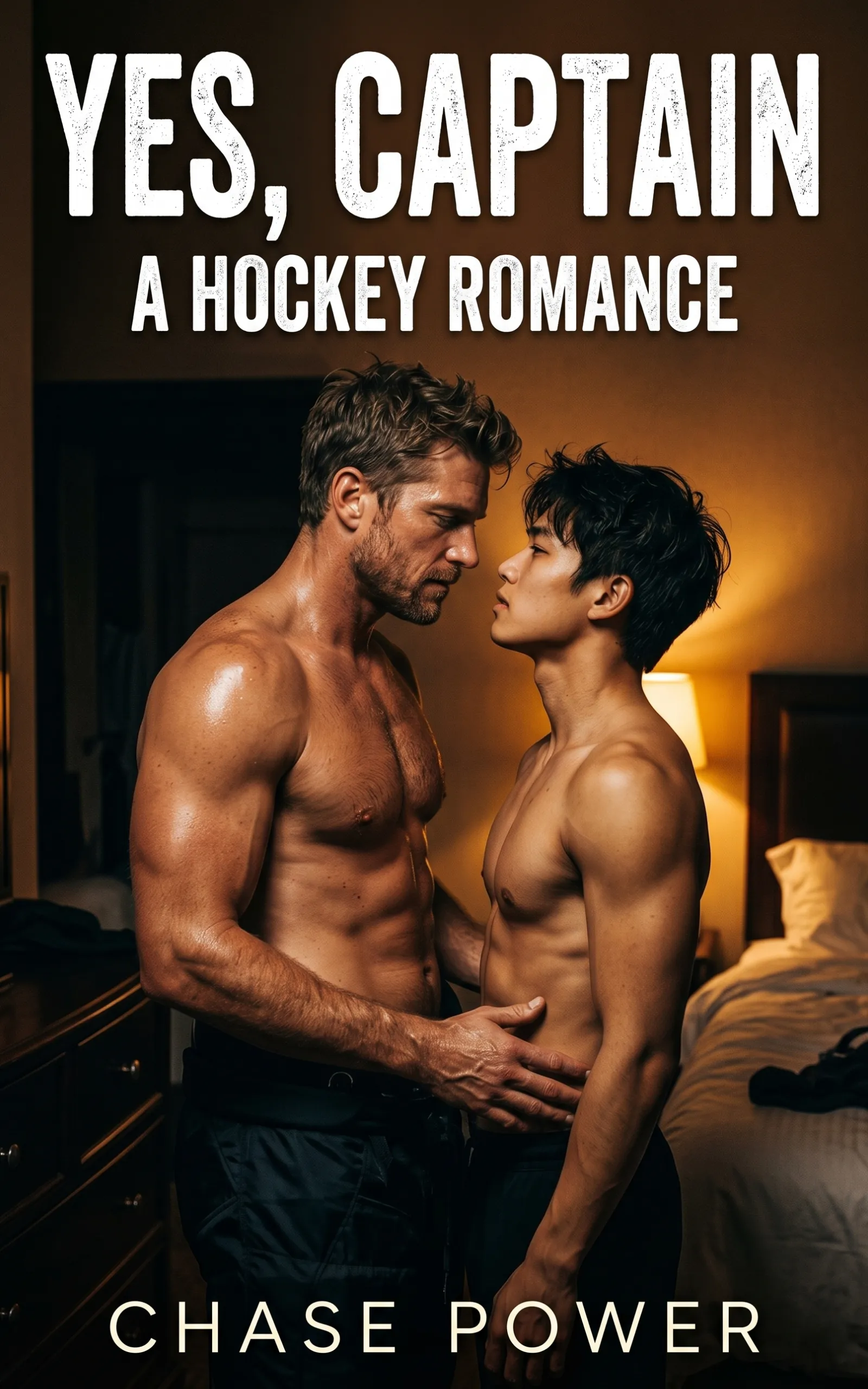
Yes, Captain — Jace Wilder (M/M Hockey Bi Awakening, Inferno Heat)
The closeted-captain bi awakening at the architectural extreme. Marc Donovan has been the captain of this franchise for eight years. Eighteen years in the league. A Conn Smythe. Zero acknowledgment of what he actually is. The rookie who shows up at training camp and starts saying the word that Marc has spent his entire career refusing to let himself need is about to undo every careful scaffolding Marc has built over a decade of professional silence.
Jace Wilder writes the late-career hockey bi awakening with the precision the trope demands. Marc’s eighteen-year performance is the load-bearing element — the careful management of every locker-room interaction, every press appearance, every carefully-chosen public girlfriend — and the slow recognition that the rookie has structurally exposed the entire performance is the trope’s signature payoff. The captain/rookie age gap, the closeted forbidden architecture, the D/s dynamic, the praise kink — every architectural lever the trope rewards.
Inferno-tier. Bi awakening. Captain/rookie. Age gap. Closeted. Coming out. Praise kink. D/s dynamic. Read Yes, Captain free on KU →
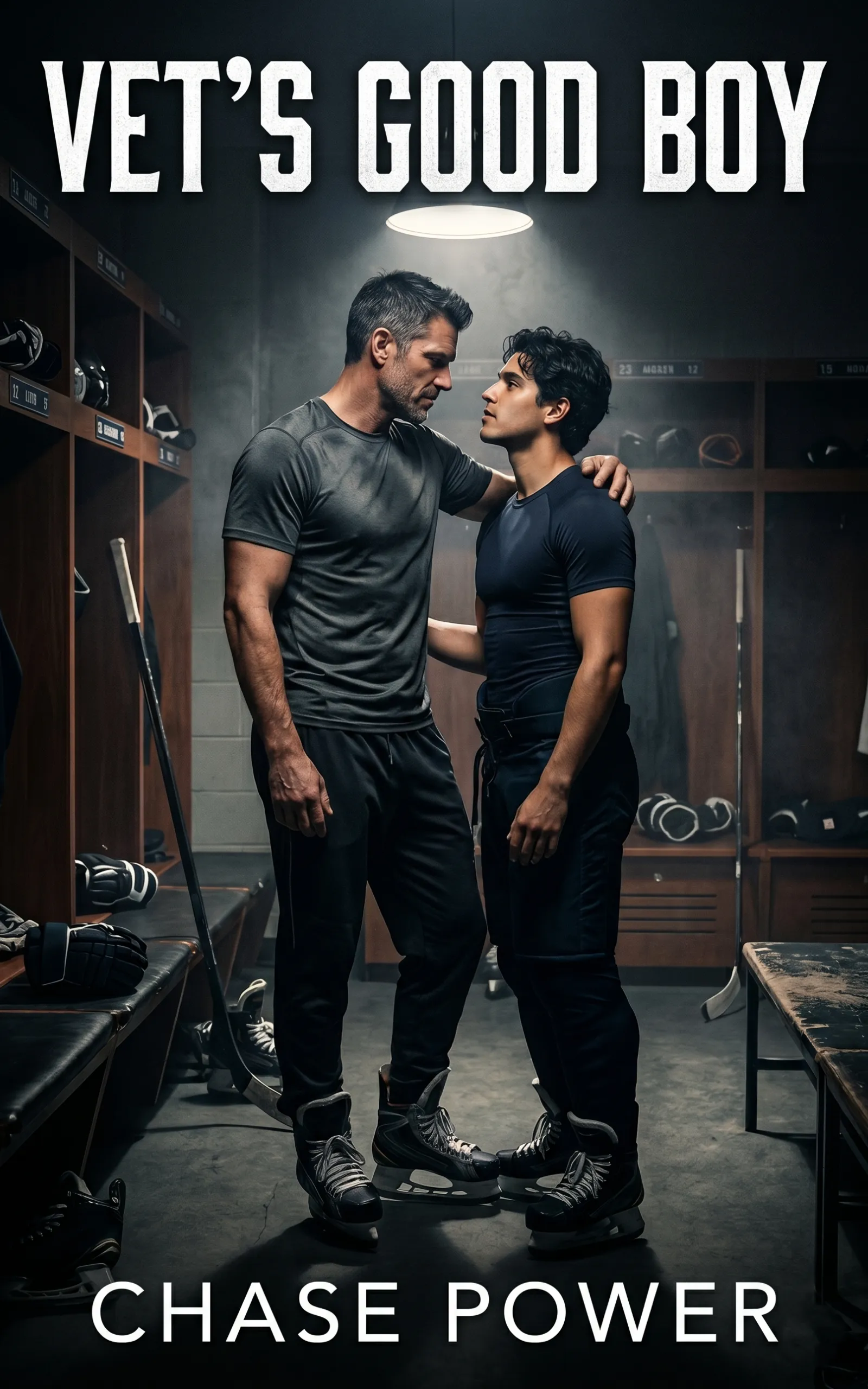
Vet’s Good Boy — Chase Power (M/M Hockey Bi Awakening, Inferno Heat)
The veteran-mentor bi awakening with twenty-year age gap. Dave Sullivan is forty-four years old, twenty-five years into a career that’s about to end, and five years out of a closet he wasted his twenties hiding in. He shows up at five-forty-five every morning to tape his hands in an empty locker room because the quiet is the only thing that still feels like his. Jordan is the rookie assigned to him for mentorship. Jordan is twenty-four. Jordan calls him sir without thinking about it. The mentorship arc is the device. The bi awakening on Jordan’s side is the engine.
Chase Power does the MM hockey bi awakening with structural precision. Dave’s late-career interiority is the load-bearing element — the careful management of his out-but-private life, the slow recognition that the rookie’s casual deference is something neither of them is going to be able to walk back from. Jordan’s bi awakening is paced with the patience the trope demands. The age gap is real. The praise kink lands. The forced-proximity training-camp setup is the structural lock-in.
Inferno-tier. Bi awakening. Age gap (20 yrs). Mentor/lover. Praise kink. Touch starved. Forbidden. Read Vet’s Good Boy free on KU →

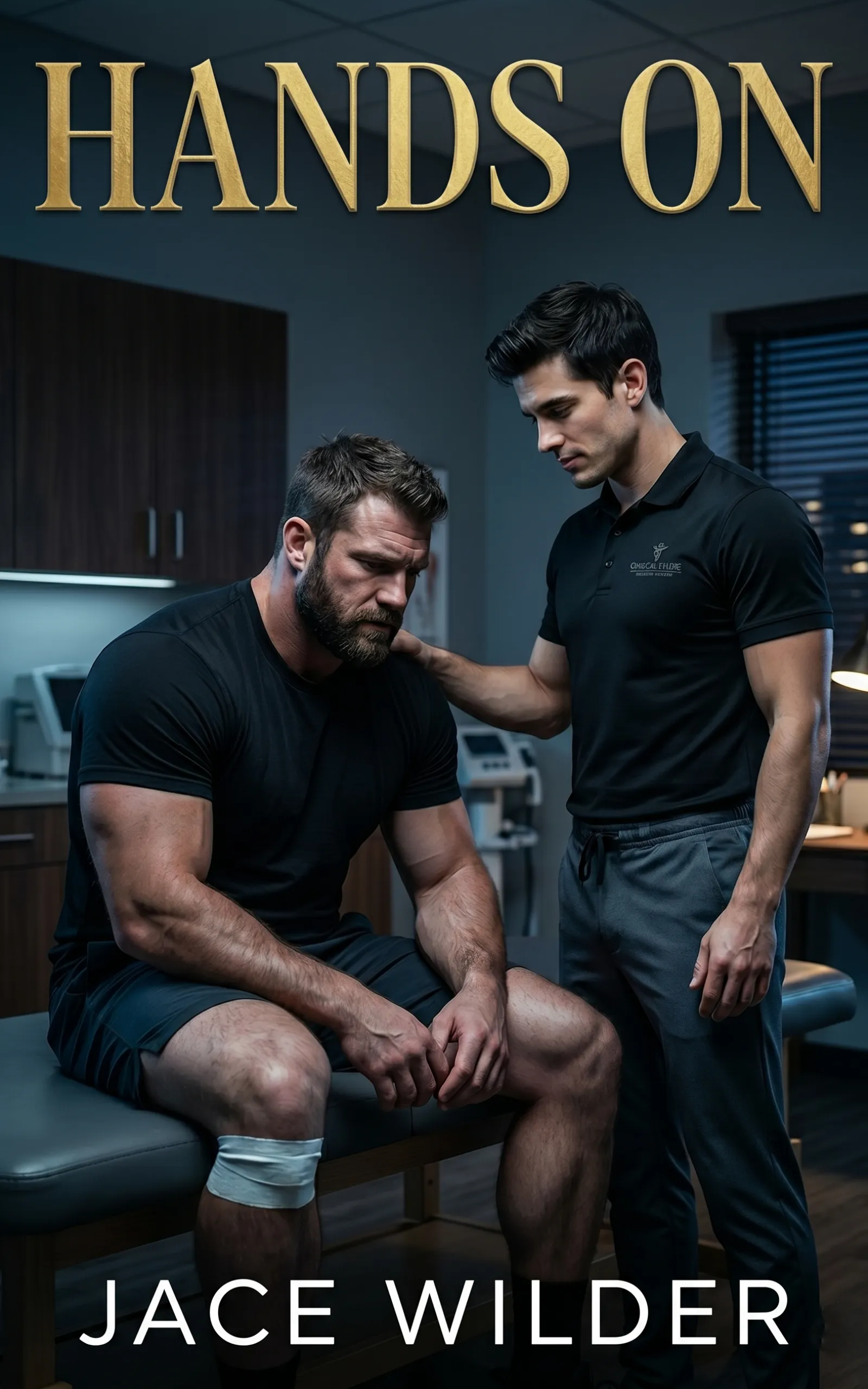
Hands On — Jace Wilder (M/M Sports Medicine Bi Awakening, Inferno Heat)
The patient-therapist bi awakening at architectural extreme. Marcus Reed has spent fifteen years being the largest, quietest closeted athlete in his league. The injury that pulls him off the field puts him in the hands of Julian — the sports medicine therapist whose job is to put Marcus’s body back together and who is, by chapter four, starting to take Marcus’s whole life apart instead. The clinical setting is the device. The slow recognition that Marcus has been performing straight harder than he’s been performing the sport is the engine.
Wilder does the bi awakening with extraordinary care. Marcus’s fifteen-year silence is the load-bearing element. Julian’s professional restraint cracking under the weight of what he’s been quietly recognizing about his patient is the structural counterpart. The size difference, the touch-starved arc, the closeted-athlete architecture, the first-time-bottoming arc handled with the tenderness the trope rewards — all earned, all on-page. 140,000 words of architectural patience.
Inferno-tier. Bi awakening. Patient/therapist. Closeted athlete. Size difference. Praise kink. Hurt/comfort. First time bottoming. Read Hands On free on all retailers →

Bloom for Her — Aurora North (F/F Runaway Bride Bi Awakening, Inferno Heat)
The runaway-bride sapphic bi awakening. Aria Voss makes it six steps down the aisle before her legs decide for her. In the next ninety seconds, she bolts out a service door at Astor Courts in a twenty-two-thousand-dollar gown, climbs into the passenger seat of a florist’s van, and asks the one woman she has never met to drive. The bride who ran out of her own wedding stays. The florist who happened to be there stays. The bi awakening that has been waiting since Aria was nineteen finally has somewhere to land.
Aurora North does the bi awakening with the structural patience the trope demands. Aria’s careful straight self-conception — built around the wedding she was supposed to want, the man she was supposed to marry, the life she was supposed to be performing — collapses against the woman who simply makes space for her to exist. The hidden-identity arc layers structurally on top of the awakening. The softdom/power-bottom-brat architecture is the on-page payoff. The small-town setting locks the architecture in.
Inferno-tier. Bi awakening. Runaway bride. Forced proximity. Softdom. Hidden identity. Praise kink. Read Bloom for Her free on KU →

Why Bi Awakening Hits So Hard
The trope persists because it does romance’s most internal architecture at the highest possible structural pressure.
Other tropes externalize the obstacle. Enemies-to-lovers requires the rivalry to dissolve. Forced proximity requires the constraint to lock the protagonists in. Fake dating requires the performance to have stakes. Bi awakening puts the obstacle inside the protagonist’s relationship with themselves — the careful, decades-long construction of a sexual self-conception that has been operating as the entire scaffolding of how they navigate the world. When the trope’s signature recognition lands, it doesn’t just rearrange the romance plot. It rearranges the protagonist’s entire self.
That’s why the trope’s architectural payoff is so devastating when it works. The kiss isn’t the climax. The recognition is. The moment the protagonist looks at the person across the room and admits, internally, that the want they have spent thirty or forty years refusing to identify is in fact the structural foundation of who they are — that is the trope’s signature beat. Everything that follows on-page is consequence. The slow burn isn’t the build-up to the sex. The slow burn is the build-up to the self-knowledge.
It’s also why the on-page heat matters so much in the indie KU register specifically. Trad-pub bi awakening books often fade past the door at the architectural moment of recognition’s physical consequence — which leaves the reader holding the trope’s emotional payoff but missing the embodied confirmation. Indie KU bi awakening books take the heat ceiling off, and the result is the trope finally cashing the check both halves of its architecture have been writing. The recognition lands. The on-page work confirms it. The protagonist closes the book having become someone they didn’t know they were when chapter one started.
That’s the gap the six titles above fill. The trope’s full architectural commitment, finally cashing both checks.

Frequently Asked Questions
What’s the spiciest bi awakening book on Kindle Unlimited?
Insufficient Funds (Aurora North, FF married heroine), Yes Captain (Jace Wilder, MM hockey captain), and Hands On (Jace Wilder, MM sports medicine) all run Inferno-tier on the indie KU shelf with structural rigor. All three featured above. All three free with Kindle Unlimited.
Best gateway bi awakening book for new-to-the-trope readers?
The Charm Offensive (Alison Cochrun) for the most architecturally complete trad-pub bi awakening at romcom register. She Drives Me Crazy (Kelly Quindlen) for sapphic YA. Boyfriend Material (Alexis Hall) for the architectural cousin in MM. Red, White & Royal Blue (Casey McQuiston) for the political-romcom variant.
Are there sapphic bi awakening books?
Yes — the FF bi awakening shelf is currently doing some of the strongest work in print. Insufficient Funds (Aurora North, age gap married heroine) and Bloom for Her (Aurora North, runaway bride florist) are the indie KU sapphic bi awakening picks featured above. Both Inferno-tier. Both free with Kindle Unlimited.
Best MM bi awakening?
For best-friend’s-brother roommates: Wrong Brother Right Bed (Jace Wilder). For closeted hockey captain: Yes Captain (Jace Wilder). For veteran-mentor with 20-year age gap: Vet’s Good Boy (Chase Power). For patient/therapist with closeted athlete: Hands On (Jace Wilder). All featured above, all Inferno-tier, all free with Kindle Unlimited.
What’s the difference between bi awakening and coming out romance?
Coming out is the public-facing arc — the protagonist tells family, friends, the team, the press. Bi awakening is the internal-facing arc — the protagonist tells themselves. The two often overlap, but bi awakening books focus the architectural work on the recognition itself, the slow internal collapse of the straight self-conception, before any external coming out happens. Most bi awakening books include some coming-out arc; most coming-out books assume the recognition has already landed before chapter one.
Are these books standalone?
All gateway comps are standalones. The Fractal Enigma indie titles featured above are all standalone first reads. Yes Captain kicks off the Ice Captains series but reads as a complete book.
This post contains Amazon affiliate links. As an Amazon Associate, Fractal Enigma earns from qualifying purchases at no extra cost to you.
Never miss a release — join the newsletter for new books, exclusive bonus chapters, and reader-only giveaways. 🔥
The form you have selected does not exist.





One Comment
Comments are closed.