Romance Book Abbreviations Explained: HEA, HFN, MM, FF, POV & More
HEA means “happily ever after,” HFN means “happy for now,” and MM and FF describe common relationship pairings. Romance recommendations often pack a whole reading experience into a few letters. This glossary translates the shorthand so you can choose books by the ending, relationship and reading commitment you actually want.
These are common reader and marketing uses, not a universal labeling standard. Authors and communities sometimes use the same abbreviation differently. Treat the full synopsis and the author’s content notes as more informative than a string of tags.
Romance book abbreviations at a glance
| Term | Common meaning | What it tells you |
|---|---|---|
| HEA | Happily ever after | An optimistic, lasting romantic resolution is promised. |
| HFN | Happy for now | The relationship ends in a hopeful place without the same long-term framing. |
| MC / MMC / FMC | Main character / male main character / female main character | Who the discussion refers to; not necessarily the viewpoint structure. |
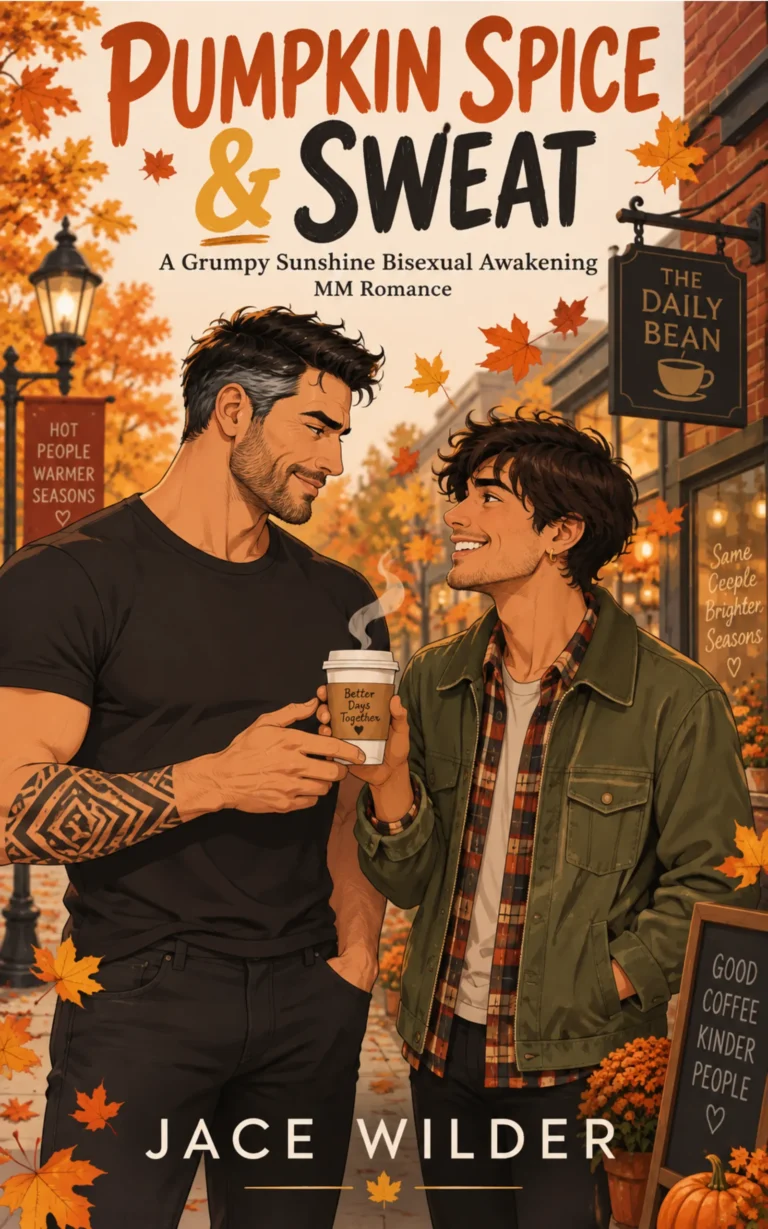
| MM / M/M | Male–male romance | A central romance between men. |
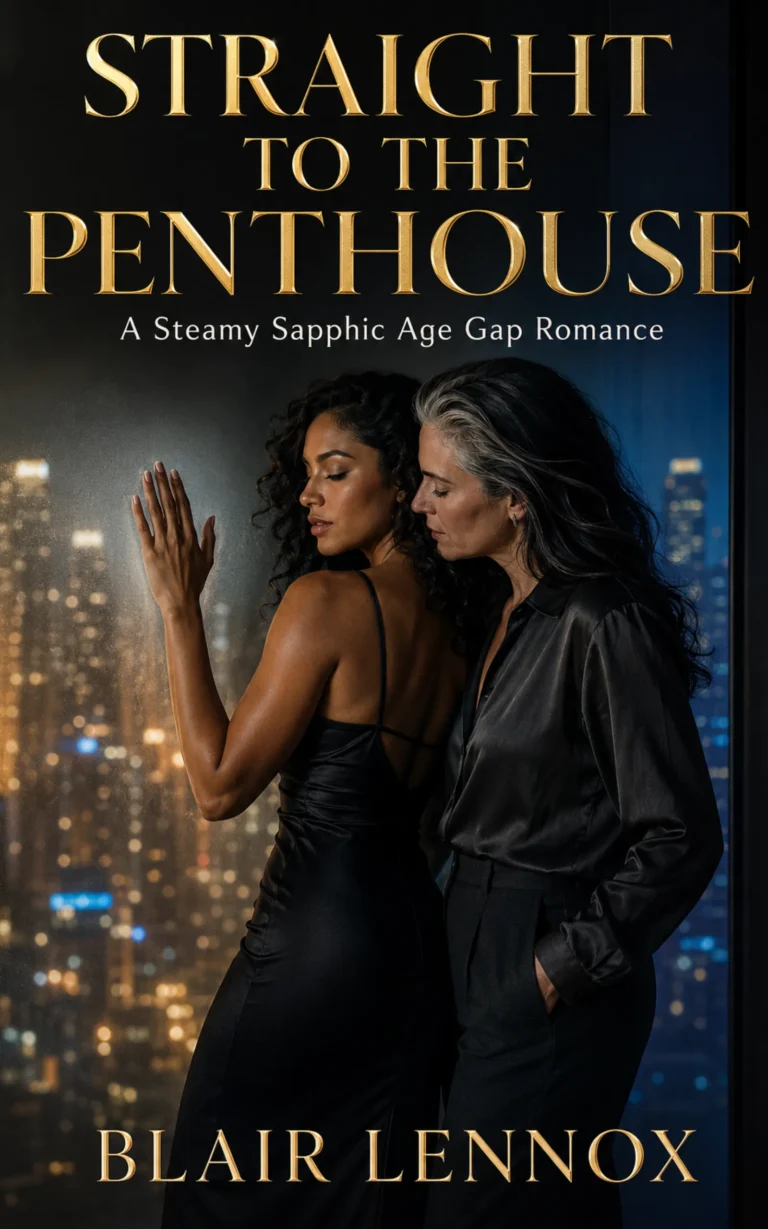
| FF / F/F | Female–female romance | A central romance between women. |
| MF / M/F | Male–female romance | A central romance between a man and a woman. |
| NB | Nonbinary | A character’s gender, when used in a character or pairing description. |
| POV | Point of view | Whose perspective you read. |
| TBR | To be read | Books someone plans or hopes to read. |
| DNF | Did not finish | A reader stopped before completing the book. |
| ARC | Advance reader copy | A prepublication review copy. |
| CW / TW | Content warning / trigger warning | Notes about potentially difficult content. |
| KU | Kindle Unlimited | Amazon’s subscription program; verify current title eligibility. |

HEA versus HFN: what kind of ending are you choosing?
An HEA generally offers a sense that the romantic relationship has a lasting future. An HFN leaves the characters together or in a hopeful romantic position at the close of the story, with less emphasis on permanence. Neither requires a wedding, children or a particular household structure.
An HFN is not automatically a cliffhanger. Conversely, a first volume can end with an unresolved relationship even if the completed series promises an HEA. Look for whether the promise applies to this book or the entire story. Romance Writers of America’s genre definition emphasizes a central love story and an emotionally satisfying, optimistic ending; a book containing a love story is not necessarily marketed as genre romance.
MM, FF and sapphic: relationship labels are not heat ratings
MM and FF tell you about the central pairing. They do not tell you how explicit the book is, whether the characters are cisgender or transgender, or which identity label each character uses. A bisexual man can be a lead in an MM romance, and a bisexual woman can be a lead in an FF romance.
“Sapphic” is a broader term commonly used for women’s attraction to women and related queer experiences; the exact scope varies by community and individual identity. It is not a synonym for one specific heat level. Start with our sapphic romance guide or MM romance guide, then check the individual book.
What do MFM, MMF, MMM and FFF mean?
These labels commonly indicate three-person relationship configurations. Many authors use MFM to distinguish a woman with two male partners from MMF stories that also include a romantic or sexual connection between the men. However, letter order is not applied consistently enough to settle every question. Read the relationship description rather than assuming every person is involved with every other person in the same way.
“Why choose” describes a story where the central character does not have to select only one love interest as the romantic resolution. “Polyamory” describes a relationship structure. They can overlap, but multiple suitors alone do not make a love triangle a why-choose romance. Our why-choose starting points identify the setup beside each pick.
POV, dual POV and first person are different clues
POV means point of view. “Dual POV” normally means the narrative includes two characters’ perspectives. “First person” describes a voice using “I,” while “third person” uses names and pronouns such as “she,” “he” or “they.” A dual-POV book can use either approach. These terms describe storytelling, not how many love interests there are.
Open door, closed door and slow burn
Open door means sexual intimacy is shown on the page. Closed door and fade to black usually mean the narration moves away from it. Slow burn describes how long a romantic relationship takes to develop. It can coexist with either explicit or off-page intimacy. Use our spice-level guide to compare detail and frequency separately.
Put the shorthand to work
A hypothetical description such as “MM, dual POV, standalone, HEA” tells you to expect a romance between men, two viewpoints, a self-contained story and an optimistic romantic resolution. It does not establish a heat level, list difficult themes or tell you whether the ebook is in a subscription. Each piece answers a different question.
For a concrete example from our catalog, The Quiet Upstairs Neighbor by Jace Wilder is described as a standalone MM romance with dual POV and an HEA. If you want to explore an MFM story, Ours to Keep by Isla Wilde is a why-choose contemporary romance. We publish both books. You can also buy the Ours to Keep ebook directly or choose its audiobook.
Does a tag tell me whether a book is right for me?
It helps narrow the shelf, but does not replace the sample. Choose a relationship, check the ending and reading commitment, then look at heat and content notes. If “standalone” and a series number seem to contradict one another, our standalone versus interconnected guide explains what to check.
Explore more romance reading guides · Browse genres · Find your favorite trope
Explore two labels in more detail: open door versus closed door and why choose versus reverse harem and polyamorous romance.