Romance Spice Levels Explained: A Practical 1–5 Chili Guide
A romance spice rating describes sexual content, not how good a book is. The familiar one-to-five chili scale is useful shorthand, but it is not a universal industry standard. One reviewer’s three can be another reader’s four. The explanation beside the number matters more than the pepper count.
This guide gives you a practical way to compare books: whether intimacy happens on the page, how detailed it is, and how much of the story it occupies. It also separates heat from dark themes, relationship configuration and the speed of the romance.
The 1–5 romance spice scale: our working definitions
| Rating | Useful shorthand | What to check |
|---|---|---|
| 1 / 5 | No on-page sex | Romance may include affection and kissing; other mature themes can still appear. |
| 2 / 5 | Closed door or fade to black | Intimacy may be acknowledged, but the narrative moves away before detailed description. |
| 3 / 5 | Open door | Sexual intimacy is described on the page; detail and frequency vary. |
| 4 / 5 | High heat | More detailed or sustained on-page intimacy; check frequency separately. |
| 5 / 5 | Very high heat | Frequent and/or extended explicit intimacy is a substantial part of the reading experience. |

These are Fractal Enigma’s editorial definitions for this explainer, not a certification system. Some reviewers use zero for no sexual content and start one at a different point. Always read the reviewer’s key. A numerical rating alone cannot tell you whether a particular scene, dynamic or theme is present.
Closed door, fade to black and open door: the difference
Closed door usually means the reader is not shown the sexual encounter. The characters may still have a sexual relationship. Fade to black describes the narrative moving away as intimacy begins. Readers often use the terms interchangeably, but a detailed content note is more useful than assuming they mean exactly the same thing.
Open door means the encounter remains on the page. It does not tell you whether there is one scene or ten, how long those scenes are, or what language the author uses. That is why two books with the same label can feel very different.
Three questions that tell you more than a chili rating
- Visibility: does intimacy happen on the page or out of view?
- Detail: is the description brief, sustained, restrained or explicit?
- Frequency: are scenes occasional, or do they occupy a substantial part of the story?
Imagine two hypothetical romances. One has a single detailed encounter near the end of a long story; another has several shorter encounters throughout. Both might receive four chilies from different reviewers, yet the reading experience would be quite different. A useful recommendation describes that difference instead of treating the score as precise measurement.
Spice is not the same as darkness
A high-heat book can center affectionate, consensual relationships. A low-heat book can contain distressing violence, abuse or grief. Neither the number of partners nor whether a couple is FF, MM or MF determines a heat rating. Relationship structure, sexual content and difficult themes belong in separate descriptions.
Check content notes for themes you want to avoid. Do not assume that “closed door” means suitable for every age, or that “dark romance” simply means more frequent intimate scenes. Our genre guides and trope guides help you choose the relationship and setting first.
Can a slow burn be very spicy?
Yes. Slow burn describes how long the relationship takes to develop, while spice describes what appears on the page. A long buildup can lead to explicit scenes; a quick attraction can lead to a closed-door romance. If the anticipation is what you enjoy, start with slow-burn romance and check each book’s content notes separately.
How to use heat levels when choosing your next book
Start with a book you already know. Instead of searching only for “spicier,” decide whether you want more on-page detail, more frequent intimacy, or a similar balance with a different kind of relationship. Then compare descriptions and try a sample. Covers and marketing words such as “steamy” are clues, not guarantees.
Reading Sarah J. Maas? Our ACOTAR content guide discusses the books individually. Looking for multiple-partner relationships? Our why-choose recommendations distinguish the relationship promise from the heat level.
Explore adult romance by the relationship you want
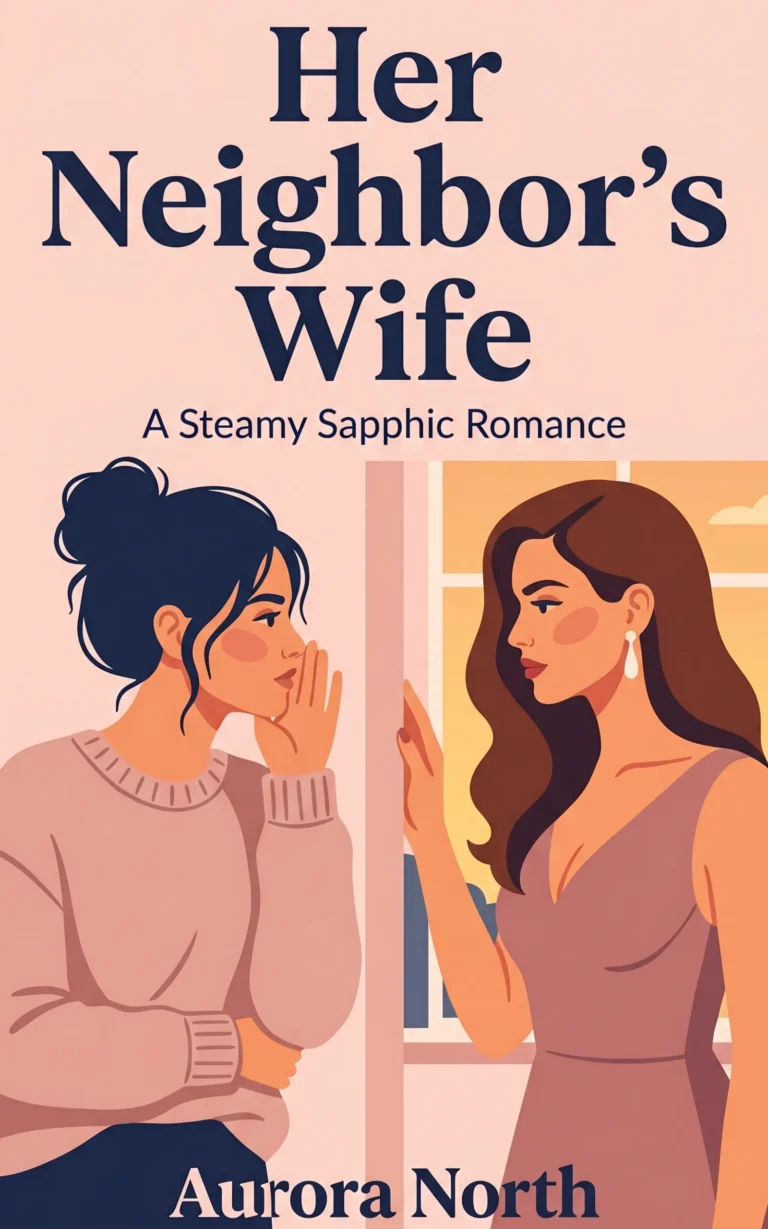
For love between women, begin with sapphic romance. For love between men, explore MM romance. If teammates, rivals and competition are the draw, try sports romance. Each route leads to book pages where you can check the premise and available formats.
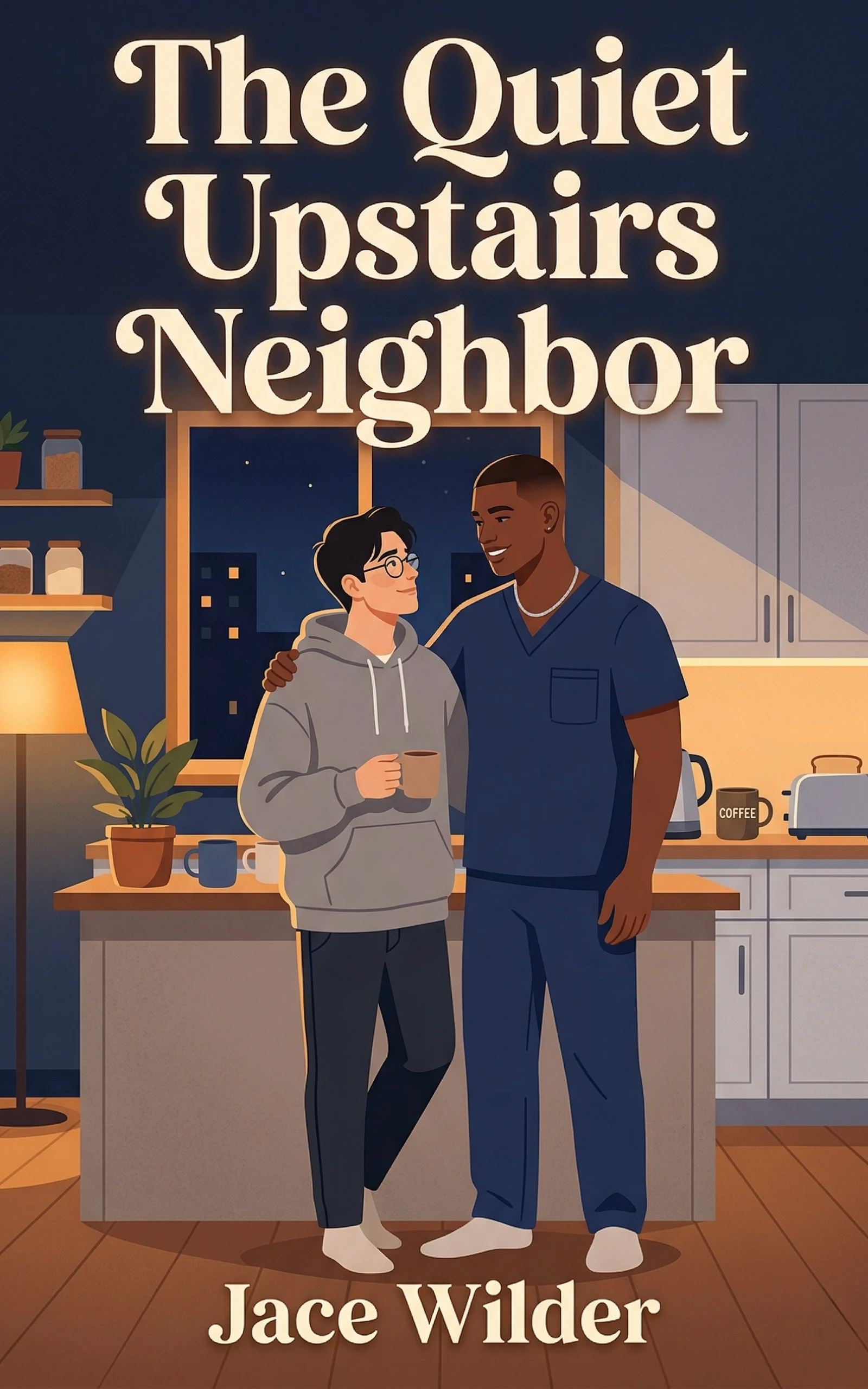
A specific starting point from our own catalog is The Quiet Upstairs Neighbor by Jace Wilder, an adult MM neighbors-to-lovers romance built around an insomniac translator and a night-shift nurse. For a multiple-partner contemporary story, try Ours to Keep by Isla Wilde. We publish both titles; use their individual content notes to decide whether they fit.
Frequently asked questions
Does five chilies mean erotica?
Not automatically. Heat level alone does not classify a book. Look at its central narrative, how the author describes it, and what kind of romantic resolution it promises.
Does Kindle Unlimited tell me anything about spice?
No. It is an access option for eligible titles, not a heat classification. Check the book’s current listing for enrollment and its description for content.
Is a higher rating better?
Only if it fits what you want to read. There is no ideal heat level that every romance should aim for. The useful rating is the one that helps you choose confidently.
Find more romance recommendations and reading guides · Browse genres · Choose a trope
Heat is only one part of choosing a book. Our romance book glossary explains HEA, HFN, pairing labels and other terms, while our standalone versus interconnected guide helps you check the reading commitment.
Want a closer comparison of what appears on the page? Read open-door versus closed-door romance, including fade to black and how those labels differ from slow burn.
A next read from our own catalog
Published by Fractal Enigma. Read the premise to see whether this particular pairing and setting fit what you want next.

Ours to Keep
Isla Wilde
An adult woman and her two longtime male friends turn years of trust into a shared relationship. A contemporary MFM option for readers who want more than one partner and a friends-to-lovers foundation.
MFM · Contemporary · Best friends to lovers · About 84,000 words
The Quiet Upstairs Neighbor
Jace Wilder
An insomniac translator and a night-shift nurse fall in love across thin apartment walls. An adult MM neighbors-to-lovers standalone, about 108,000 words.