
Best Sugar Daddy & Sugar Mama Romance Books 2026 — Where the Arrangement Is the Architecture
Sugar daddy and sugar mama romance is the trope where the arrangement is the architecture. One protagonist has the money — the empire, the corner office, the venture portfolio, the ranch, the estate — and the other protagonist has structurally entered into a financial dynamic that both of them have been very careful to define as transactional. The allowance. The apartment. The terms. The careful, contractual, deliberately unromantic vocabulary that lets both protagonists pretend the relationship is a business arrangement rather than the thing it is actually, structurally becoming. The arrangement isn’t decoration. The arrangement is the architecture — the load-bearing framework that gives both protagonists professional-grade cover for an intimacy neither of them could have negotiated any other way.
The trope works because it externalizes romance’s power-and-vulnerability dynamics into an explicitly negotiated economic framework. The wealthy partner has structural power — and the trope’s signature work is the slow architectural recognition that the money was never the actual currency of the relationship. The kept partner has structural vulnerability — and the trope’s signature work is the slow recognition that the arrangement gave them the only framework in which they could let themselves be cared for. The renegotiation is the love story. Every term that gets quietly revised, every line in the arrangement that stops being transactional, every moment one protagonist realizes they would do this for free is the trope cashing the check the contract has been writing.
Below: four trad-pub gateway comps plus six indie Kindle Unlimited titles across FF and MM where the arrangement is real, the financial architecture is treated with structural seriousness, and the on-page heat earns every renegotiated term. All featured below run Inferno-tier on-page heat. All free with Kindle Unlimited.

Twisted Love — Ana Huang

The wealthy-guardian arrangement variant at the trad-pub structural extreme. Alex Volkov is a cold, controlled tech billionaire who has structurally been financially responsible for Ava Chen’s well-being for years — the guardianship-adjacent architecture, the careful management of her safety, the structural provision that has given him a framework for caring about her without ever having to name what the caring actually is. The arrangement isn’t a literal sugar contract — Huang writes it as dark possessive guardianship — but the architectural foundation is the trope’s signature work: money as the cover for an intimacy neither protagonist can negotiate any other way.
Huang built BookTok on the wealthy-controlling-provider architecture. The structural reason is precise: the trope rewards books that treat the financial dynamic as the load-bearing cover for vulnerability, and Huang gives Alex’s provision the full architectural weight it deserves. Heat is high — on-page, sustained. Series-required.
Birthday Girl — Penelope Douglas

The provider-architecture age-gap variant. Jordan is nineteen, structurally living inside the household of a man who provides for her — the roof, the stability, the financial architecture she has never had access to before. Pike is thirty-eight, a construction-business owner, the man whose load-bearing daily provision becomes the structural cover for a relationship neither of them is willing to name. Douglas writes the provider-architecture as forbidden romance, but the trope’s signature foundation is fully present: the financial dynamic gives both protagonists a framework for an intimacy the rest of their architecture can’t accommodate.
Douglas does the provider-architecture age-gap with the structural precision the trope demands. Pike’s provision is real — the house, the stability, the structural care. Jordan’s slow recognition that the provision was never the actual currency is the trope’s signature payoff. Heat is high — Douglas opens the door and stays inside it. Standalone.

The Spanish Love Deception — Elena Armas

The negotiated-arrangement romcom-register variant. Catalina and Aaron enter into an explicitly transactional arrangement — a fake-relationship contract with defined terms, a clear exchange of services, a deliberately unromantic vocabulary that lets both protagonists pretend the four-day Spanish wedding is a business transaction. The arrangement isn’t financial in the sugar sense, but the architectural foundation is the trope’s signature work: a negotiated contract with explicit terms becomes the cover for an intimacy neither protagonist could have negotiated honestly.
Armas does the negotiated-arrangement architecture with extraordinary structural precision. The contract is the device. The defined terms are the structural lock-in. The slow corruption of “this is a transaction” into “this is the only real thing in either of our lives” is the trope’s signature payoff at gateway tier. Heat is moderate-to-high. Standalone.
Get The Spanish Love Deception on Amazon →
Gild (The Plated Prisoner) — Raven Kennedy
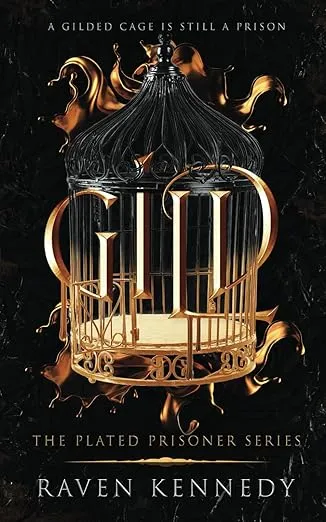
The dark kept-arrangement romantasy variant. Auren is the saddle — the kept, provided-for, structurally favored woman — of King Midas, whose touch turns living things to gold. The architecture of the arrangement is total: Auren’s entire life has been structurally defined by the provision of a wealthy, powerful man. Gild is the slow architectural recognition that the kept-arrangement has been the wrong arrangement with the wrong provider — and that the actual currency of care was never the gold.
Kennedy does the dark kept-arrangement romantasy at architectural extreme. The fae politics, the gilded-cage architecture, the slow recognition that the provision was a structure of control rather than care — all on-page. For sugar-dynamic readers crossing into romantasy, Gild is the gateway. Heat is high. Series-required.

King of Wrath (Huang) & Beautiful Disaster (McGuire)
Two more sugar-dynamic-adjacent gateway entries worth knowing. King of Wrath (Ana Huang) does the arranged-marriage-into-real architecture under the Kings of Sin series’ scaffolding — a billionaire and the woman contractually bound to him, the explicit arrangement becoming the cover for the relationship neither negotiated for. Beautiful Disaster (Jamie McGuire) does the provider-architecture new-adult variant — the financially-precarious heroine and the man whose structural provision becomes the framework for a relationship built on a literal bet. Both are mainstream-heat gateways before the indie KU shelf takes the architectural commitment fully on.
Get King of Wrath on Amazon → · Get Beautiful Disaster on Amazon →

Indie KU Sugar Daddy & Sugar Mama — Where the Arrangement Earns the Combustion
Here’s what the trad-pub gateway shelf does well: the architectural setup, the structural patience, the careful management of the financial dynamic as the cover for vulnerability. Here’s what it doesn’t always do: the explicit on-page work at the moment the arrangement renegotiates itself into love, across FF and MM configurations, with the indie KU heat ceiling fully off. The FF CEO whose struggling employee becomes structurally provided for. The mid-40s venture capitalist and the younger woman who tends her garden. The widower CEO and the much-younger board hire. The 51-year-old widow curator and the younger volunteer. The wealthy rancher and the ranch hand.
The indie KU sugar daddy/sugar mama shelf is currently the strongest place in romance for those architectural moments. Six titles below — four FF, two MM — each running Inferno-tier on-page heat earned by the trope’s signature arrangement-into-love architecture. An FF CEO/struggling-employee provision dynamic. An FF mid-40s VC and her much-younger gardener. An MM widower CEO 24-year age gap. An FF closeted billionaire CEO and junior VP. An FF 51-year-old widow and younger volunteer. An MM wealthy rancher and ranch hand.

Insufficient Funds — Aurora North (F/F Sugar Mama, Inferno Heat)
The FF CEO/struggling-employee sugar-mama architectural extreme. One protagonist is drowning — the rent, the debt, the structural precarity of a life that never had a financial cushion. The other is a CEO with more money than she has ever had a use for and a structural inability to express care in any vocabulary other than provision. The arrangement that develops between them is explicitly transactional at first — defined terms, a clear exchange, the deliberately unromantic vocabulary that lets both women pretend it’s a business arrangement.
Aurora North does the FF sugar-mama arrangement at architectural extreme. The struggling protagonist’s financial precarity is the load-bearing element — treated with structural seriousness rather than as a plot convenience. The CEO’s provision-as-only-available-care-vocabulary is the engine. The slow renegotiation of every transactional term into the recognition that the money was never the actual currency is the trope’s signature payoff. Inferno-tier. Sugar mama. Age gap. Power exchange. Workplace. Praise kink. Read Insufficient Funds free on KU →

Tending Her Garden — Aurora North (F/F Sugar Mama, Inferno Heat)
The FF mid-40s venture-capitalist sugar-mama variant. The protagonist is a mid-40s venture capitalist — structurally wealthy, structurally guarded, and structurally without a vocabulary for being cared for that doesn’t route through provision. The much-younger woman who tends her garden enters into an arrangement that is, at first, exactly what it looks like: a job, a payment, a defined exchange. The slow corruption of the gardener-and-employer arrangement into the relationship neither woman is willing to name is the engine of the entire book.
Aurora North does the FF sugar-mama age-gap with the architectural rigor the trope demands. The VC’s structural guardedness is the load-bearing element. The age gap is real. The arrangement’s slow renegotiation — from defined transactional terms into the recognition that the provision was always a cover for a tenderness the VC had no other framework for — is the trope’s signature payoff. Inferno-tier. Sugar mama. Age gap. Praise kink. Slow burn. Power exchange. Read Tending Her Garden free on KU →


Conflict of Interest — Jace Wilder (M/M Sugar Daddy, Inferno Heat)
The MM widower-CEO sugar-daddy variant with 24-year age gap. Adrian Cross has spent seven years being a brand instead of a man — fourteen billion under management, a corner office, the structural wealth that gives him a framework for provision and no framework at all for anything else. The board hired the much-younger man Adrian has six weeks to keep his hands off. The provision architecture is structurally specific: Adrian’s wealth, his structural authority, his inability to express care in any vocabulary other than the things money can arrange.
Wilder does the MM widower-CEO sugar-daddy with extraordinary precision. The 24-year age gap is structurally significant. The widower grief is the load-bearing element — Adrian’s provision is the only language he has left. The slow renegotiation of the boss/employee provision dynamic into the relationship neither man is willing to name is the trope’s signature payoff. Inferno-tier. Sugar daddy. Widower. Age gap (24 yrs). Boss/employee. Praise kink. Grumpy/sunshine. Hurt/comfort. Read Conflict of Interest free on KU →

CEO’s Sweet Secret — Aurora North (F/F Sugar Mama, Inferno Heat)
The FF closeted-billionaire-CEO sugar-mama variant. Victoria Lang is a ruthless tech CEO with a velvet-gloved iron fist, a $2.4 billion empire, and a closet she has been hiding in for twenty years. Sam Ruiz is the junior VP with golden-retriever energy. The provision architecture is structurally specific — Victoria’s wealth gives her a framework for taking care of Sam that doesn’t require her to name what the taking-care is, and the arrangement that develops becomes the cover for the relationship Victoria’s twenty-year closet has structurally never allowed her to have.
Aurora North does the FF closeted-CEO sugar-mama at architectural extreme. Victoria’s twenty-year closet is the load-bearing element. The provision dynamic is the engine — the structural framework that lets a guarded billionaire express care. The slow renegotiation of the arrangement into the recognition that the money was never the currency is the trope’s signature payoff. Inferno-tier. Sugar mama. Boss/employee. Age gap. Closeted. Forbidden. Praise kink. Read CEO’s Sweet Secret free on KU →


Rare Edition — Aurora North (F/F Sugar Mama, Inferno Heat)
The FF 51-year-old-widow sugar-mama variant. The protagonist is a 51-year-old widow — a museum curator with structural wealth, a lifetime of carefully managed grief, and a guardedness that has structurally never had a framework for being cared for since her spouse died. The much-younger volunteer who enters her structured, quiet, carefully-maintained world becomes the recipient of a provision the curator offers because it is the only vocabulary she has. The arrangement is the architecture. The renegotiation is the love story.
Aurora North does the FF older-widow sugar-mama with the architectural seriousness the trope demands. The curator’s widowhood is the load-bearing element — the grief, the structural guardedness, the provision as the only available care-vocabulary. The much-younger volunteer’s slow integration into the curator’s carefully-maintained world is paced with the patience the trope rewards. The recognition that the provision was always a cover for a tenderness the curator had no other framework for is the engine. Inferno-tier. Sugar mama. Age gap. Widow. Praise kink. Slow burn. Later in life. Read Rare Edition free on KU →


Good Hand — Jace Wilder (M/M Sugar Daddy, Inferno Heat)
The MM wealthy-rancher sugar-daddy variant. The protagonist owns the ranch — the land, the herd, the structural wealth of a spread that has been in the family for generations. The ranch hand who shows up looking for work enters into an arrangement that is, at first, exactly what it looks like: a job, a bunk, a wage. The slow corruption of the employer-and-hand arrangement into the relationship neither man is willing to name — against the structural backdrop of a ranch where every form of provision the owner offers has to be carefully distinguished from the thing he actually wants to offer — is the engine.
Jace Wilder does the MM wealthy-rancher sugar-daddy with the architectural rigor the trope demands. The rancher’s structural wealth is the load-bearing element — the provision, the land, the framework for care that routes through what the ranch can offer. The ranch hand’s slow integration into a life the rancher built alone is paced with the patience the trope rewards. The recognition that the wage was never the actual currency is the trope’s signature payoff. Inferno-tier. Sugar daddy. Cowboy/rancher. Age gap. Boss/employee. Praise kink. Slow burn. Forced proximity. Read Good Hand free on KU →

Why Sugar Daddy & Sugar Mama Hits So Hard
The trope persists because it externalizes romance’s power-and-vulnerability dynamics into an explicitly negotiated economic framework.
Most romance does the power differential in subtext — the wealthy partner has structural advantages the text rarely names directly. Sugar daddy/sugar mama romance does it explicitly: the financial dynamic is the architecture, the arrangement has defined terms, and both protagonists have agreed to a transactional vocabulary precisely because that vocabulary lets them avoid naming what’s actually happening. The trope’s signature commitment is to the architecture of the arrangement — the way a contract gives the vulnerable partner a framework for being cared for and the wealthy partner a framework for offering care, both of them hiding inside the transaction because the transaction is structurally safer than the truth.
That’s why the trope rewards architectural seriousness about both halves of the arrangement. Books that treat the kept partner as a gold-digger underdeliver. Books that treat the wealthy partner as simply buying affection underdeliver. Books that treat the arrangement as a structurally specific framework — the vulnerable partner who could never have asked to be cared for without the cover of a transaction, the wealthy partner who has no vocabulary for care that doesn’t route through provision — are the books the trope is actually built for. Every title above respects this. Every title above treats the financial architecture as the structural foundation rather than as a premise gimmick.
And it’s why the on-page heat at the moment the arrangement renegotiates itself matters so much. The trope’s signature payoff is the embodied confirmation that the money was never the currency — every revised term, every line in the contract that stops being transactional, every moment one protagonist realizes they would do this for free finally collapses into the on-page work the arrangement has been writing toward. Trad-pub gateway titles tend to handle this beat at high-but-contained heat. Indie KU takes the heat ceiling fully off, and the result is the trope finally cashing the check the entire arrangement has been writing.
That’s the gap the six titles above fill. The architectural commitment the gateway titles built the audience for, finally cashing both checks.
Frequently Asked Questions
What’s the spiciest sugar daddy/sugar mama book on Kindle Unlimited?
Insufficient Funds (Aurora North, FF CEO/struggling employee), Tending Her Garden (Aurora North, FF VC/gardener), Conflict of Interest (Jace Wilder, MM widower CEO 24yr age gap), and CEO’s Sweet Secret (Aurora North, FF closeted billionaire CEO) all run Inferno-tier on the indie KU shelf. All featured above. All free with Kindle Unlimited.
Best gateway sugar daddy/sugar mama romance?
Twisted Love (Ana Huang) for the wealthy-guardian provision variant. Birthday Girl (Penelope Douglas) for the provider-architecture age gap. The Spanish Love Deception (Elena Armas) for the negotiated-arrangement romcom register. Gild (Raven Kennedy) for the dark kept-arrangement romantasy. King of Wrath (Huang) for arranged-marriage-into-real. Beautiful Disaster (McGuire) for the provider-architecture new adult.
Best sugar mama (FF) romance?
The FF sugar-mama shelf is currently doing some of the strongest provision-dynamic work in print. Insufficient Funds (CEO/struggling employee), Tending Her Garden (mid-40s VC/gardener), CEO’s Sweet Secret (closeted billionaire CEO/junior VP), and Rare Edition (51-year-old widow curator/volunteer) are the indie KU FF sugar-mama picks featured above. All Aurora North. All Inferno-tier. All free with Kindle Unlimited.
Best sugar daddy (MM) romance?
Conflict of Interest (Jace Wilder, MM widower CEO 24yr age gap board hire) and Good Hand (Jace Wilder, MM wealthy rancher/ranch hand) are the indie KU MM sugar-daddy picks featured above. Both Inferno-tier. Both free with Kindle Unlimited.
Is sugar daddy/sugar mama romance the same as age gap?
They overlap heavily but aren’t identical. Age gap romance focuses on the difference in years and life stage. Sugar daddy/sugar mama romance focuses on the financial provision dynamic — the arrangement, the allowance, the structural economic differential. Most sugar-dynamic books include an age gap because the wealth differential often correlates with a life-stage differential, but the trope’s architectural foundation is the financial arrangement specifically. A book can be age gap without a provision dynamic, and — more rarely — a provision dynamic can exist between closer-in-age partners.
Are these books standalone?
Twisted Love kicks off the Twisted series. Birthday Girl is standalone. The Spanish Love Deception is standalone. Gild kicks off the Plated Prisoner series. King of Wrath is part of Kings of Sin. Beautiful Disaster is standalone (with a companion retelling, Walking Disaster). The Fractal Enigma indie titles featured above are all standalone first reads.
This post contains Amazon affiliate links. As an Amazon Associate, Fractal Enigma earns from qualifying purchases at no extra cost to you.
Never miss a release — join the newsletter for new books, exclusive bonus chapters, and reader-only giveaways. 🔥
The form you have selected does not exist.