

Books Like Beach Read — 10 Rivals-to-Lovers & Forced-Proximity Romance Reads (2026)
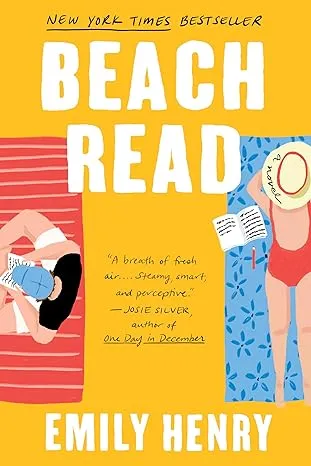
You finished Beach Read in a single weekend with the architectural certainty that Emily Henry had structurally engineered a romance specifically to ruin every other rivals-to-lovers book for you. You spent the next week emotionally compromised by January Andrews and Augustus Everett — the bestselling romance writer whose father has just died and whose belief in love has just architecturally cracked along with it, the literary-fiction college rival whose inherited beach house is next door to hers for the entire structurally-unavoidable summer, the genre-swap dare that compresses both of them into a writing exchange the rivalry was structurally never going to survive. You moved to People We Meet on Vacation. You finished Book Lovers. You worked through Happy Place. Now the question becomes: what fills the rivals-to-lovers-writer-protagonist shaped hole in your TBR until Emily Henry drops the next one?
What makes Beach Read land structurally isn’t the lake-house premise. It’s the specific architecture: two writer-protagonists whose professional rivalry has been the load-bearing structural cover for an attraction both of them have been carrying since college, the inherited-beach-house forced-proximity that compresses them into the same physical space long enough for the careful adult performance of mutual contempt to crack, the architectural-grief running underneath January’s romance career that the rivalry has been structurally permitting her to defer, and Henry’s particular gift for letting the slow corruption of “I hate everything about you” into “I have been carrying you in the architectural cover of hating you for a decade” land as inevitable rather than convenient. The rivals-to-lovers writer-protagonist shelf has more titles that hit that exact architecture — some Henry-adjacent, some indie KU that runs the rivalry-with-real-stakes architecture at heat ceilings the trad-pub literary register restrains.
Ten reads below: five trad-pub Emily Henry catalog and Mariana Zapata cross-author comps that anchor the BookTok rivals-to-lovers writer shelf, then five indie KU contemporary reads from Fractal Enigma at the indie KU inferno register — spread across three pen names hitting the forced-proximity neighbors, class-gap, mountain-cabin, wedding-forbidden, and FF money-stress architecture. The trad-pub picks are priced individually on Amazon; the indie picks are free with a Kindle Unlimited subscription.

What Makes a Great Beach Read Readalike
The structural criteria that separate “book where the protagonists used to fight” from “actually a great Beach Read readalike”:
- Rivalry as architectural cover for attraction — not actual contempt. January and Gus’s college rivalry was the structural device both of them used to maintain plausible deniability about an attraction they have both been quietly carrying. The trope only lands when the antagonism is doing the architectural work of carrying an emotion neither protagonist will name.
- A forced-proximity setup with a structural reason — the inherited beach houses, the writing residency, the workplace assignment, the wedding party. The architecture has to compress the protagonists into the same physical space long enough for the careful performance to crack. Happenstance proximity without architectural pressure doesn’t enforce the structural compression.
- A heroine with architectural interior wounds — January is grieving her father, her career is structurally cracked, her relationship to her own genre is in architectural crisis. The trope rewards books where the heroine has interior architecture the relationship has to navigate alongside the rivalry, not in place of it.
- Writer-protagonists or creative-professional architecture — Beach Read runs the genre-swap challenge through two working writers whose professional identities are the load-bearing element. The trope rewards books where both protagonists have professional architectures the rivalry is genuinely about.
- Patient slow burn into earned on-page payoff — Henry takes the entire summer to deliver the architectural collision the rivalry has been pressuring toward. The trope rewards architectural patience; books that rush the rivals-to-lovers timeline don’t compress the same structural weight.
Each pick below hits at least four of those five. The indie KU picks lift the on-page heat ceiling past where the trad-pub literary mass-market shelf calibrates.
5 Trad-Pub Books Like Beach Read
The BookTok rivals-to-lovers + writer-protagonist + literary-romance shelf, ranked by how directly the comp lands on Beach Read’s specific architecture. Emily Henry built the lane she defines across her catalog of literary-romance hybrids; Mariana Zapata covers the architectural-patience adjacency at the longer slow-burn register. All five available on Amazon at standard trad-pub pricing.
1. Beach Read — Emily Henry
The book this list is anchored on, and the BookTok romance title that pulled an entire generation of readers into Emily Henry’s literary-romance lane. January Andrews is a bestselling romance writer whose father has just died and whose architectural belief in happy endings has just structurally cracked along with the discovery that her father had been keeping a beach house for the affair he had been having for the entire architecture of January’s parents’ marriage. The beach house is now hers. The architectural irony is that the literary-fiction college rival she has spent ten years carefully not thinking about owns the house next door. Augustus Everett is the man whose entire career has been organised around being the architectural opposite of January’s genre. The genre-swap dare is structurally inevitable. The summer is the architectural pressure cooker neither of them was prepared to survive.
If you’ve somehow landed on this list without having read Beach Read yet, you’re in the rare position of having Henry’s foundational rivals-to-lovers writer romance still in front of you. Read this first; the rest of the list waits. The architectural payoff lives in the slow-burn writing exchange — the genre-swap chapters are where the rivalry’s structural cover starts cracking. Get Beach Read on Amazon →
2. People We Meet on Vacation — Emily Henry
Henry’s catalog entry that runs the architectural-friends-to-lovers setup through a twelve-year annual vacation tradition the protagonists have spent their entire adult friendship carefully not examining. Poppy Wright is a travel writer whose architectural certainty about her career has just structurally collapsed. Alex Nilsen is the high school best friend whose annual summer vacation with Poppy ended two years ago for reasons the entire book is structurally engineered to defer revealing. Poppy proposes one last vacation to fix whatever broke. The architectural engine is the gap between Poppy’s careful adult performance of platonic friendship and the recognition that the twelve-year annual architecture was structurally never platonic at all.
Where Beach Read runs the architectural-rivalry-as-cover setup through January and Gus’s college antagonism, People We Meet on Vacation runs the architectural-friendship-as-cover setup through the twelve-year vacation tradition. Same Henry voice, same upper-mainstream literary BookTok calibration, the architectural patience the lane rewards. Get People We Meet on Vacation on Amazon →

3. Book Lovers — Emily Henry
Henry’s structural-publishing-industry entry and the catalog entry that runs the architectural-rivalry-with-real-professional-stakes setup through a literary agent + acquisitions editor configuration. Nora Stephens is the New York literary agent whose entire professional identity has been organised around being the architectural villain of every small-town Hallmark-style happy ending. Charlie Lastra is the acquisitions editor she has spent two years professionally clashing with across multiple book deals. Her sister drags her to small-town North Carolina for a structurally-mandatory month of sister-bonding; Charlie is also structurally inexplicably there. The architectural engine is the gap between Nora’s careful professional composure and the recognition that the rivalry has been the structural cover for an attraction her career architecture was specifically engineered to deny.
Where Beach Read runs the architectural-rivalry setup through the writer + writer college configuration, Book Lovers runs the architectural-rivalry setup through the agent + editor publishing-industry configuration with the small-town forced-proximity overlay. Same Henry voice, same upper-mainstream literary register, the architectural patience the lane rewards. For Beach Read readers who want the publishing-industry variant. Get Book Lovers on Amazon →
4. Happy Place — Emily Henry
Henry’s structural-second-chance entry and the catalog entry that runs the architectural-fake-relationship-with-real-history setup through a Maine cottage and a friend group’s last reunion. Harriet Kilpatrick and Wyn Connor were engaged for five years and broke up six months ago for reasons their friend group does not yet structurally know about. The annual Maine cottage reunion arrives with the architectural impossibility that the friend group’s careful seven-year tradition will not survive Harriet and Wyn confessing the breakup; they agree to fake the engagement for one more week. The architectural engine is the gap between the careful five-year performance of the relationship they had and the architectural reality of the breakup neither of them has structurally processed.
Where Beach Read runs the rivalry-as-cover setup, Happy Place runs the broken-relationship-as-cover setup with the Maine cottage as the structural pressure cooker. Same Henry voice, same upper-mainstream literary calibration; the architectural-patience the trope rewards in a structurally different specific configuration. For Beach Read readers who want the second-chance variant. Get Happy Place on Amazon →
5. The Wall of Winnipeg and Me — Mariana Zapata
The cross-author slow-burn entry and the structural ancestor of the entire Henry-adjacent rivals-to-lovers patient-architecture lane. Vanessa Mazur is the personal assistant to Aiden Graves — “The Wall of Winnipeg,” the NFL defensive end whose architectural composure has been structurally impossible to crack across two years of professional employment. She quits. Aiden arrives at her apartment with a structurally absurd proposal: marry him for the visa he needs to stay in the country. The architectural engine of the book is the gap between Aiden’s careful two-year professional silence and the slow corruption of “I want my green card” into “I want you, and I have wanted you the entire architectural duration of our employment.”
The Wall of Winnipeg and Me is the foundational text of the patient-architecture slow-burn lane. Where Henry calibrates her slow-burn at the literary upper-mainstream BookTok register, Zapata runs the architectural-patience at 500+ pages of careful structural deferral with the on-page heat calibrated to let the slow burn lead. For Beach Read readers who came for the architectural-patience engine and want the foundational cross-author commitment. Get The Wall of Winnipeg and Me on Amazon →

Where Indie KU Lifts the Rivals-to-Lovers Heat Ceiling
The trad-pub Henry + Zapata catalog above is calibrated to the BookTok upper-mainstream literary register. Henry runs the architectural-rivalry-with-real-stakes setup carefully — the writer-protagonist architecture is the load-bearing work, the genre-swap or vacation or publishing-industry structural device is the engine, and the on-page heat is calibrated to let the literary patience lead. Zapata runs the slow-burn architecture at the same upper-mainstream register with longer architectural deferral. The dynamics are real, the rivals-to-lovers architecture is intact, the door closes deliberately at the structural pivot points the trad-pub mass-market literary-romance shelf has been calibrated for.
The indie Kindle Unlimited contemporary MF, MM, and FF shelf doesn’t have those constraints. The architectural-forced-proximity setup stays load-bearing, the structural patience stays intact, but the on-page work engages the heat the architectural setup has earned. The single-house forced-proximity architecture where two strangers inherit the same property. The mechanic-and-grad-student class gap where the workshop floor is the structural compression. The mountain-cabin emotional architecture where the snow refuses to melt. The brother’s-wedding-night forbidden architecture where the wedding-week is the structural pressure cooker. The FF money-stress architecture where the apartment building is the architectural compression of two women whose careful professional politeness is the cover for what neither of them is allowed to want.
Five indie KU contemporary reads below, from three different Fractal Enigma pen names, hitting the forced-proximity neighbors, class-gap, mountain-cabin emotional, brother’s-wedding-night forbidden, and FF money-stress architecture across MF, MM, and FF pairings. All five free with Kindle Unlimited; the individual book page for each title lists current retailers and content warnings.
5 Indie KU Forced-Proximity Reads from Fractal Enigma

6. Single House, Shared Secrets — Isla Wilde (MF Inherited-Property Forced Proximity)
The closest direct comp to Beach Read’s specific inherited-property + forced-proximity architecture on this list. Two strangers inherit the same house from a relative neither of them realised the other knew. The will is structurally airtight: both names on the title, neither can sell without the other’s signature, and the property requires both signatures present on-site for the architectural transfer paperwork. They move in together for the structurally-mandatory thirty days. The architectural engine of the book is the gap between two people’s careful adult composure and the architectural impossibility of maintaining the performance across a month of sharing the same kitchen, the same bathroom, the same architectural-property-by-default-arrangement neither of them was structurally prepared to occupy.
Where Beach Read runs the inherited-property architecture through January and Gus’s adjacent beach houses, Single House Shared Secrets runs the same architecture through the inherited-property + shared-title configuration with the architectural-compression of one structure rather than two. Isla Wilde writes the forced-proximity + strangers-to-lovers dynamic at the indie KU inferno register — the on-page work the trad-pub Henry calibration restrains. For Beach Read readers who came for the architectural-inherited-property engine and want the indie KU compressed-into-one-house variant. Read chapter one free →
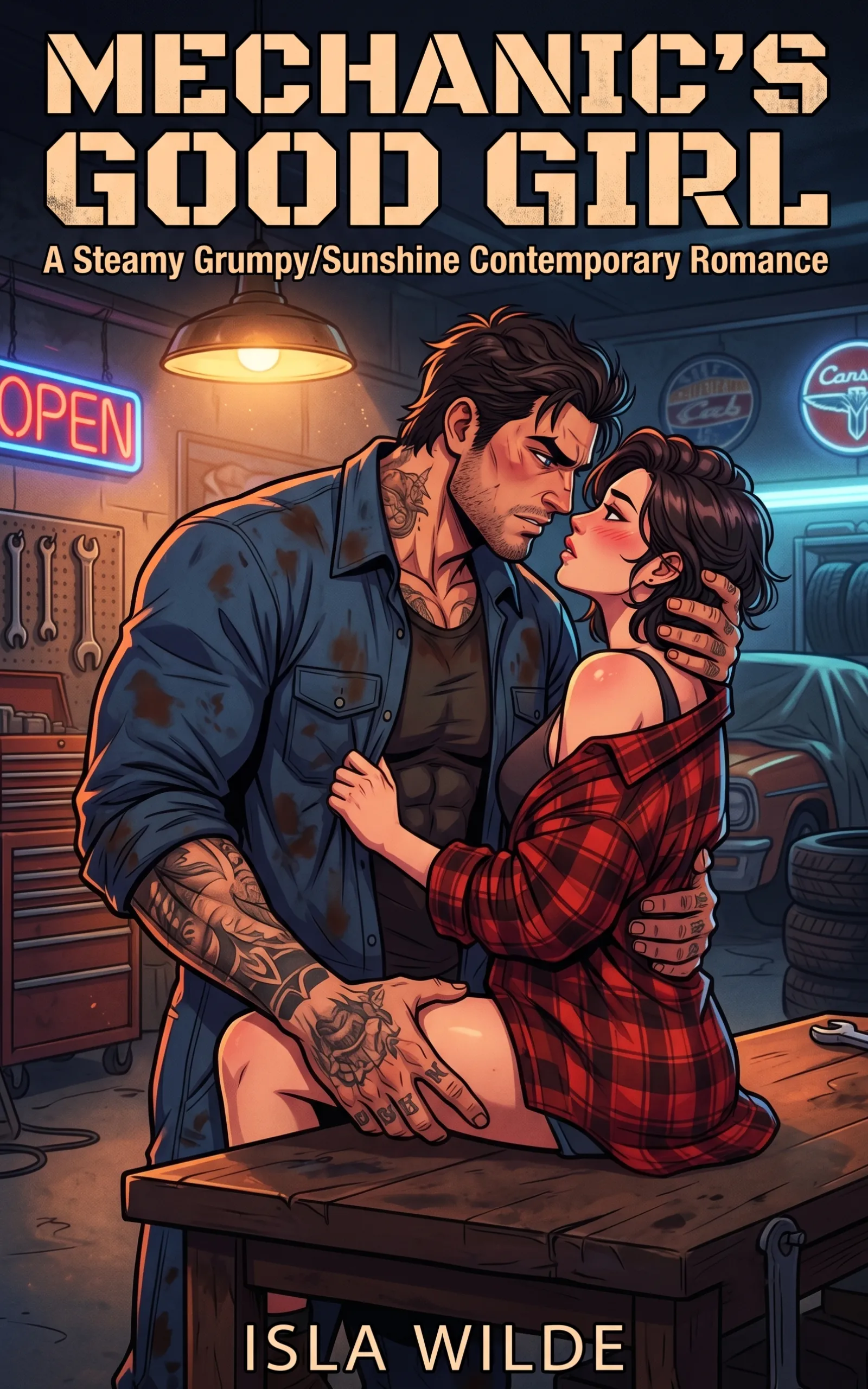
7. Mechanic’s Good Girl — Isla Wilde (MF Grad Student + Class Gap)
The class-gap + intellectual-blue-collar contrast entry and the closest comp to Beach Read’s specific literary-vs-genre architectural-class-and-intellectual-positioning dynamic on this list. She is a literature grad student whose dissertation has stalled and whose car has just structurally died at the side of a Pacific Northwest highway. He is the mechanic whose shop is the only one within architectural distance and whose careful professional silence is the structural cover for a reading life she would never have predicted. The architectural engine of the book is the gap between her careful adult-literary composure and the recognition that the man whose hands she has been watching across the workshop floor reads more carefully than the dissertation committee that has been refusing to approve her chapters.
Where Beach Read runs the architectural-intellectual-class setup through January’s romance career + Gus’s literary career, Mechanic’s Good Girl runs the architectural-intellectual-class setup through the grad-student + mechanic + workshop-floor configuration with the class-gap as the structural compression. Isla Wilde writes the MF class-gap + intellectual-mutual-respect dynamic at the indie KU inferno register. For Beach Read readers who came for the architectural-intellectual-rivalry engine and want the class-gap variant. Read chapter one free →

8. The Mountain’s Keeper — Milo Hart (MM Mountain Cabin Emotional)
The MM mountain-cabin emotional entry and the recommendation for Beach Read readers who came for the architectural-grief + writer-and-place + forced-proximity dynamic and want the MM variant. He is the man whose mountain cabin has been the architectural sanctuary he built specifically to disappear from a city career that nearly killed him. The bakery is structurally the only commitment he has been willing to make to the small town since he arrived. Then a stranger arrives at the architectural beginning of the worst storm in the region’s recorded history, and the cabin’s careful one-occupant architecture has to accommodate two people for as long as the snow refuses to melt.
Where Beach Read runs the architectural-grief + place + writer-protagonist setup through January’s father’s beach house and her stalled career, The Mountain’s Keeper runs the same architectural-grief + place + protagonist setup through MM with the bakery + mountain cabin + snowed-in configuration. Milo Hart writes the MM emotional + forced-proximity + slow-burn dynamic at the indie KU high heat register. For Beach Read readers who came for the architectural-grief-substrate engine and want the MM mountain variant. Read chapter one free →

9. His Brother’s Wedding Night — Isla Wilde (MF Wedding-Week Forbidden)
The wedding-week + forbidden-architecture entry and the recommendation for Beach Read readers who came for the architectural-event-week-compression + family-network dynamic and want the wedding variant. She is structurally about to marry the wrong brother. He is the older brother who has been carefully not looking at her directly for the entire architectural duration of the engagement she has been performing alongside his sibling. The wedding week is the architectural pressure cooker the entire book compresses into; the careful family-network composure breaks under the structural impossibility of an event where every architectural moment requires her to confront which brother she should actually have agreed to marry.
Where Beach Read runs the architectural-summer-week-compression through January and Gus’s adjacent beach houses, His Brother’s Wedding Night runs the architectural-wedding-week-compression through the bride-and-the-wrong-brother + family-network configuration. Isla Wilde writes the MF forbidden + family-pressure + wedding-week dynamic at the indie KU inferno register — the on-page work the trad-pub Henry mainstream restrains. For Beach Read readers who came for the architectural-compression engine and want the wedding-forbidden variant. Read chapter one free →

10. Insufficient Funds — Aurora North (FF Money-Stress Neighbors)
The FF money-stress + architectural-neighbors entry and the recommendation for Beach Read readers who came for the architectural-financial-pressure + place + forced-proximity dynamic and want the sapphic FF variant. She is the woman whose careful financial architecture has just structurally cracked in a way that requires her to look at her bank account every morning and reconsider the math. Her neighbor is the woman whose apartment is structurally next door, whose careful professional composure has been the architectural fact of the entire building’s hallway-encounter network, and whose attention to her arrives at exactly the moment the financial pressure is forcing her to confront how lonely the careful adult composure she has been performing has structurally been.
Where Beach Read runs the architectural-place + economic-pressure setup through January’s inherited beach house and her stalled career, Insufficient Funds runs the architectural-place + economic-pressure setup through the FF sapphic + apartment-building-neighbors + money-stress configuration. Aurora North writes the FF + financial-architecture + slow-burn dynamic at the indie KU inferno register. For Beach Read readers who came for the architectural-place + interior-wound engine and want the FF urban variant. Read chapter one free →
Frequently Asked Questions
What book is most like Beach Read?
For trad-pub: People We Meet on Vacation by Emily Henry is the closest direct comp inside Henry’s catalog — same Henry voice, similar architectural-history-between-protagonists setup, different specific configuration (annual vacation rather than adjacent beach houses). Outside Henry’s catalog: The Wall of Winnipeg and Me by Mariana Zapata is the closest cross-author slow-burn comp. For indie KU at the inferno register: Single House, Shared Secrets by Isla Wilde (MF inherited-property forced-proximity) runs the closest structural comp at the heat ceiling the trad-pub Henry register restrains.
Are Emily Henry’s books on Kindle Unlimited?
Emily Henry’s catalog (Beach Read, People We Meet on Vacation, Book Lovers, Happy Place, Funny Story) is generally NOT on Kindle Unlimited — these are trad-pub Berkley / Penguin Random House releases at standard pricing. Mariana Zapata’s catalog is also generally not on KU (she’s a successful indie-but-non-KU author). The five indie KU picks from Fractal Enigma above (Single House Shared Secrets, Mechanic’s Good Girl, The Mountain’s Keeper, His Brother’s Wedding Night, Insufficient Funds) are all free with a Kindle Unlimited subscription.
What’s the right order to read Emily Henry?
Henry’s adult catalog consists of standalones — no series prerequisites. Reading order chronological: Beach Read (2020), People We Meet on Vacation (2021), Book Lovers (2022), Happy Place (2023), Funny Story (2024). Each book is structurally complete on its own. New readers can start anywhere; readers who love one tend to commit to the entire catalog. Henry’s voice is consistent across the catalog — what varies is the specific architectural setup and the structural-rivalry configuration.
Are there spicier books like Beach Read?
Henry’s heat ceiling sits at upper-mainstream literary BookTok — the architectural patience is doing the structural work, the writer-protagonist + rivalry-as-cover setup is the engine, and the on-page heat is calibrated to let the literary register lead. Readers who want the same rivals-to-lovers + forced-proximity + architectural-history-between-protagonists setup with the heat ceiling lifted past the trad-pub mass-market level should look indie KU. Single House, Shared Secrets by Isla Wilde (MF inherited-property forced-proximity, inferno), Mechanic’s Good Girl by Isla Wilde (MF grad student class gap, inferno), and His Brother’s Wedding Night by Isla Wilde (MF wedding-forbidden, inferno) all run the architectural-forced-proximity setup at on-page registers the trad-pub Henry shelf restrains.
Are there MM or FF books like Beach Read?
The trad-pub MM and FF rivals-to-lovers + writer-protagonist + literary-romance shelf at Beach Read’s specific architecture is structurally smaller than the MF mainstream lane. Indie KU has filled the gap. For MM mountain-cabin + emotional + forced-proximity: The Mountain’s Keeper by Milo Hart (MM mountain cabin + bakery + emotional substrate, indie KU high heat) is the closest direct comp. For FF money-stress + apartment-building-neighbors: Insufficient Funds by Aurora North (FF sapphic + apartment-building-neighbors + financial-pressure, indie KU inferno) covers the sapphic adjacency. Both run the architecture at indie KU heat the trad-pub Henry register restrains.
Where do Emily Henry readers go next?
For trad-pub: working through Henry’s catalog (People We Meet on Vacation, Book Lovers, Happy Place, Funny Story) covers the rivals-to-lovers + literary-romance + forced-proximity lane Henry writes. Beyond Henry: Mariana Zapata’s slow-burn catalog (Wall of Winnipeg, From Lukov with Love, Wait for It), Christina Lauren’s contemporary catalog (Love and Other Words, The Unhoneymooners), and Abby Jimenez’s emotional contemporary catalog (Part of Your World, Yours Truly) cover the trad-pub adjacencies. For indie KU at the inferno register: Isla Wilde‘s contemporary MF catalog (Single House Shared Secrets, Mechanic’s Good Girl, His Brother’s Wedding Night), Milo Hart‘s MM emotional catalog (The Mountain’s Keeper), and Aurora North‘s FF sapphic catalog (Insufficient Funds) are the closest indie comps.
This post contains Amazon affiliate links. As an Amazon Associate, Fractal Enigma earns from qualifying purchases at no extra cost to you. The five Fractal Enigma titles link to their book pages on this site where you can read the first chapter free.
Looking for more rivals-to-lovers and forced-proximity romance recommendations? The newsletter sends new indie KU contemporary releases, bonus chapters, and reader-only giveaways straight to your inbox. 📖
The form you have selected does not exist.




4 Comments
Comments are closed.