

Best Second Chance Romance Books 2026 — Where the Years Between Are the Architecture
Second chance romance is the trope where the years between the protagonists are the architecture. The break-up nobody got over. The fourteen-year gap during which two people built entirely separate lives. The hometown reunion at a funeral, a wedding, an inheritance hearing that compresses a decade of accumulated distance into a single afternoon. The trope’s signature engine isn’t the reunion itself — it’s the structural weight of everything that happened in the years apart, every quiet accommodation each protagonist made to a life without the other person, every careful reorganization that has to come undone before the relationship can land at full architectural pressure.
The trope works because it builds romance’s most patient architecture into the premise itself. The slow burn already happened — it happened twelve years ago, off-page, when both protagonists were younger and didn’t have the architectural tools to name what they were doing. The breakup is the structural failure they have both spent the intervening years processing. The reunion is the trope cashing the check the entire backstory has been writing. Every shared coffee, every careful conversation across the kitchen counter of a house one of them inherited, every walked-into-each-other moment at the local bar carries the weight of a decade neither protagonist gets to skip past.
Below: four trad-pub gateway comps plus six indie Kindle Unlimited titles across MM, FF, and MF where the years between are real, the reunion architecture earns its structural commitment, and the on-page heat lands with the weight of every page of accumulated distance. All featured below run High to Inferno-tier on-page heat. All free with Kindle Unlimited.

November 9 — Colleen Hoover
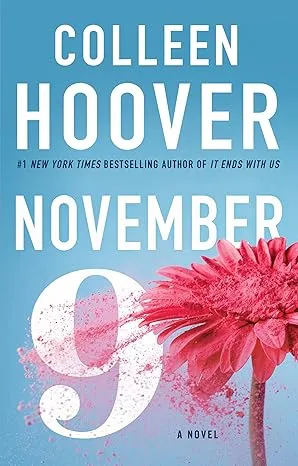
The annual-reunion second-chance architecture at its most precise. Fallon and Ben meet on November 9. They agree to meet every November 9 after that. Five years. One day a year. The structural device is the entire engine — every reunion compresses a year of accumulated separate life into a single twenty-four-hour window, and the slow recognition that the days they have spent apart have structurally been a deferral of the relationship they actually want is paced with the patience the second-chance trope rewards.
Hoover built mainstream-romance reputation on this exact architectural device. The annual-reunion compression is the structural counterpart to the second-chance trope’s standard hometown-return setup — instead of fourteen years compressed into one autumn season, it’s five years compressed into five afternoons. The slow corruption of “we agreed to one day a year” into the recognition that one day a year is the only real architecture either of them has been living inside is the trope’s signature payoff. Heat is mainstream-romance — moderate on-page. Standalone.
People We Meet on Vacation — Emily Henry
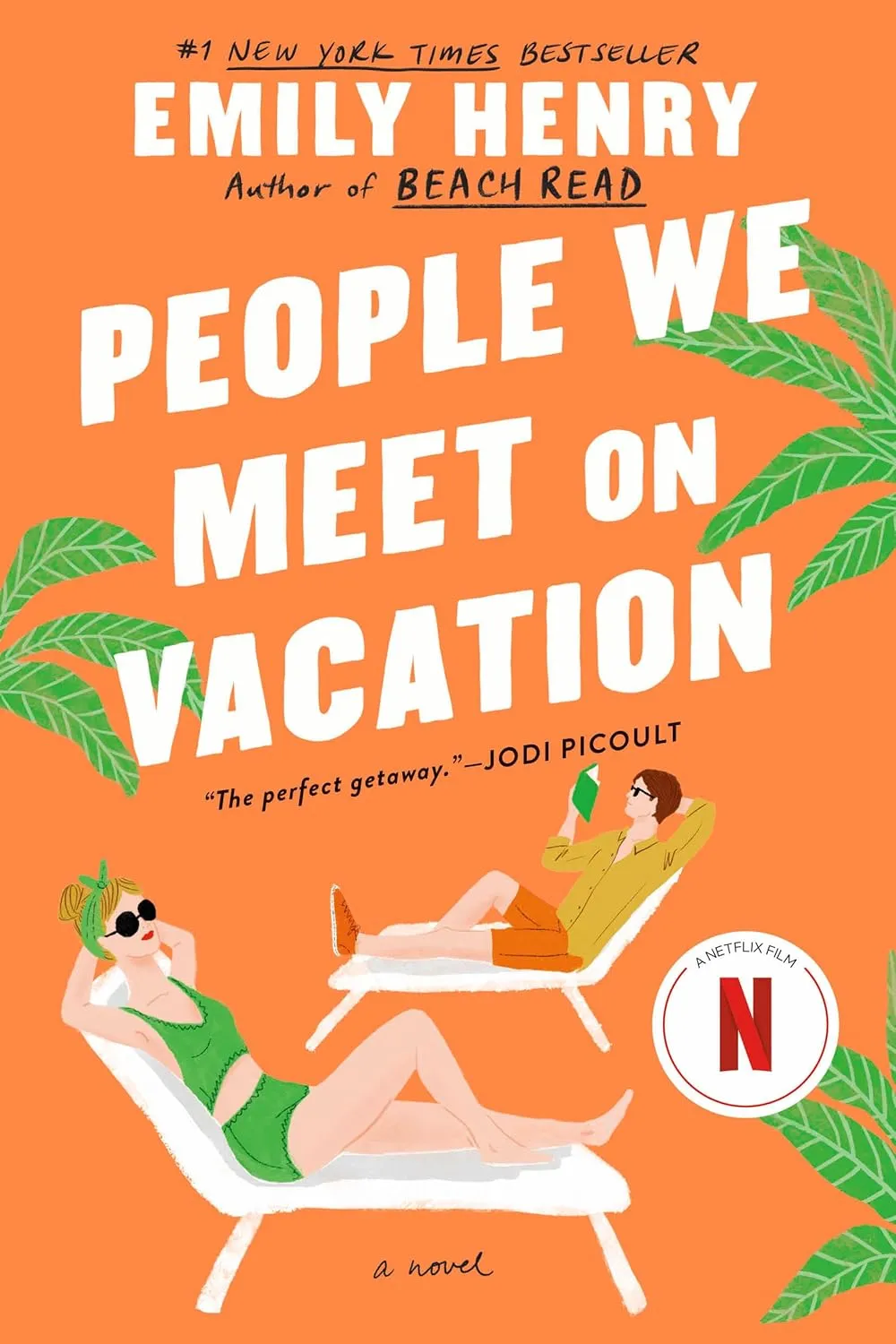
The annual-vacation-reunion second-chance variant. Poppy and Alex have been taking the same summer vacation together for ten years — always platonic, always strictly best-friends, always working around the structural impossibility neither of them is willing to acknowledge. Until the vacation two summers ago, after which they stopped speaking. The book is Poppy’s attempt to repair what broke during that vacation, and the architectural device — dual-timeline narrative weaving the past ten years of trips with the present-day reconciliation attempt — is the trope’s signature commitment.
Henry does the friends-to-lovers-second-chance hybrid at trad-pub structural extreme. The accumulated history is the load-bearing element — every flashback vacation compresses the years between Poppy and Alex into a single architectural beat the present-day timeline has to navigate. The slow recognition that the silence has been the structural failure of a relationship neither of them admitted they were having is paced with the patience the trope demands. Heat is mainstream-romance — closed-door, mostly. Standalone.
Get People We Meet on Vacation on Amazon →
Things We Never Got Over — Lucy Score
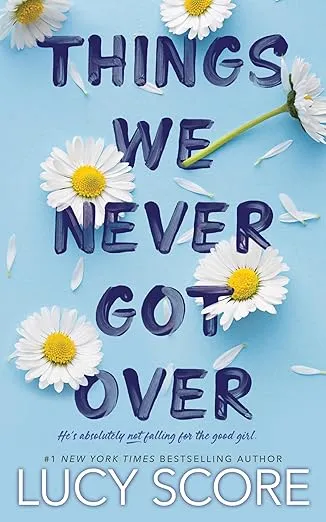
The runaway-bride second-chance hometown variant. Naomi flees her wedding day disaster and ends up in Knockemout, Virginia, where her estranged twin sister has just abandoned a niece Naomi didn’t know existed. The bar owner who has been waiting for someone exactly like Naomi to walk through his door is Knox Morgan, and the architectural setup compresses small-town reunion with single-dad fostering with the kind of accumulated past Knox isn’t going to be talking about until chapter twenty-one.
Score does the small-town-reunion second-chance architecture with the trope’s signature blue-collar texture. The runaway-bride device is the inciting incident. The niece is the structural compression. The bar-owner-with-a-past slow reveal is the engine. Heat is high — Score opens the door and stays inside it. Standalone within the Knockemout series.
Get Things We Never Got Over on Amazon →
Beach Read — Emily Henry
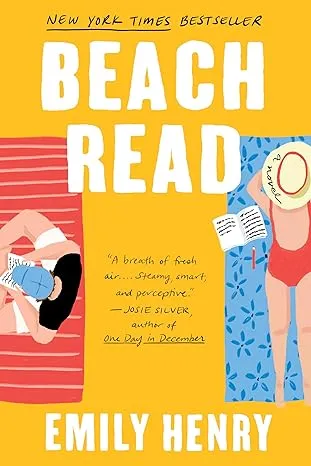
The MFA-program-reunion second-chance variant. January and Augustus crossed paths in the same writing program a decade ago. They were not friends. They were not lovers. They were architecturally competitive rivals who have been quietly tracking each other’s careers across ten years of distance. The next-door Michigan beach houses they end up in for the same summer compress the decade of unfinished business into the architectural pressure cooker the second-chance trope is built for.
Henry does the rivals-to-reunion second-chance hybrid with extraordinary literary precision. The MFA-program baseline is the load-bearing element. The next-door-summer-houses device is the structural compression. The grief plot, the writer’s block, the genre-swap experiment they cook up are the engine. Heat is mainstream-romance — closed-door, mostly. Standalone.

Ugly Love & It Ends With Us — Colleen Hoover
Two more Hoover entries worth knowing for second-chance trope readers. Ugly Love does the past-trauma-second-chance variant — Tate and Miles meet under explicit FwB-no-questions rules that turn out to be Miles’s structural management of a six-year grief he hasn’t been able to navigate any other way. It Ends With Us does the second-chance architecture with darker emotional stakes — Lily and Atlas’s reunion as adults after a structurally specific shared past that the book treats with the seriousness the second-chance trope rewards. Both mainstream-heat trad-pub gateways before the indie KU shelf takes the heat ceiling fully off.
Get Ugly Love on Amazon → · Get It Ends With Us on Amazon →
Indie KU Second Chance — Where the Years Between Have the Weight They Deserve
Here’s what the trad-pub gateway shelf does well: the structural setup, the slow-burn architectural patience, the careful management of a decade of accumulated distance compressed into a single autumn or summer or one-day-a-year reunion. Here’s what it doesn’t always do: the Inferno-tier on-page work at the architectural moment the reunion finally lands. The MM second chance with fourteen-year-deferred patience. The FF small-town rivals-to-second-chance bi-awakening. The MF older-divorced-heroine post-marriage architectural restart at full structural pressure.
The indie KU second chance shelf is currently the strongest place in romance for those architectural moments to land. Six titles below — three MM, two FF, one MF — each running High to Inferno-tier on-page heat earned by the trope’s signature accumulated-years patience. A Vermont second-chance writer-cabin architectural masterclass. A 40-year-old divorced heroine and contractor MF second chance. A small-town sapphic salon-rivals 13-year-deferred reunion. Two MM second-chance variants — one structural-damage-contractor, one room-for-something-real apartment reunion. A sapphic single-house shared-secrets small-town reunion. All free with Kindle Unlimited.
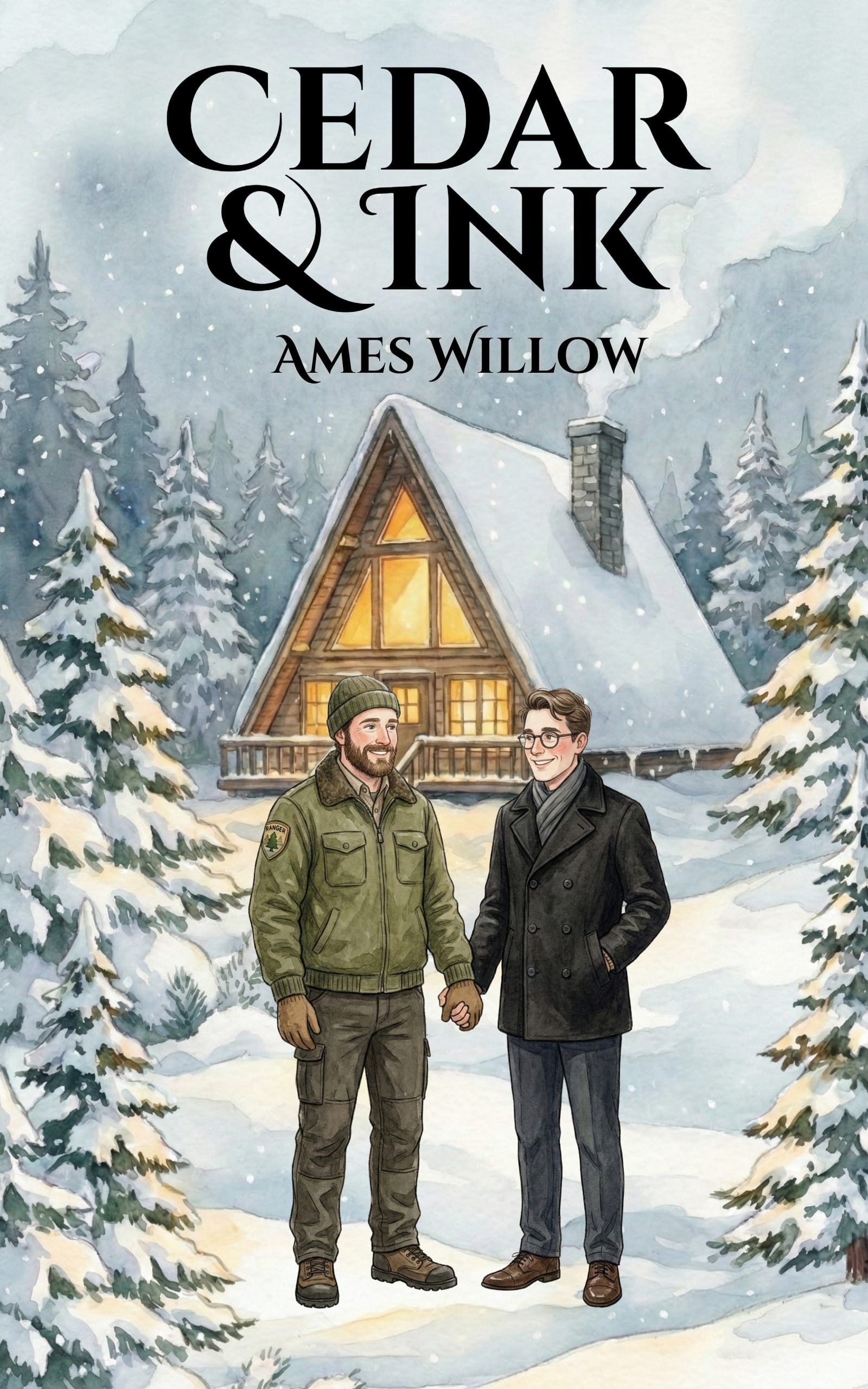
Cedar & Ink — Ames Willow (M/M Second Chance, High Heat)
The Vermont second-chance MM architectural masterclass. The writer cabin in autumn light. The man who left town at eighteen with a manuscript and an apology he never wrote. The man who stayed and quietly waited for fourteen years without telling anyone he was waiting. The second-chance return that compresses fourteen years of accumulated distance into a single autumn season — and the slow recognition that what was deferred has structurally been the only real thing in either man’s life since they were eighteen.
Ames Willow does the Vermont small-town MM second chance with the architectural patience the genre rewards. The fourteen-year deferral is the load-bearing element. The writer cabin setting is the device. The grumpy/sunshine dynamic is the engine. The slow corruption of fourteen years of careful distance into the relationship that was always going to be there is paced with the patience the trope demands. High heat. Vermont small town. Grumpy/sunshine. Writer romance. Read Cedar & Ink free on KU →
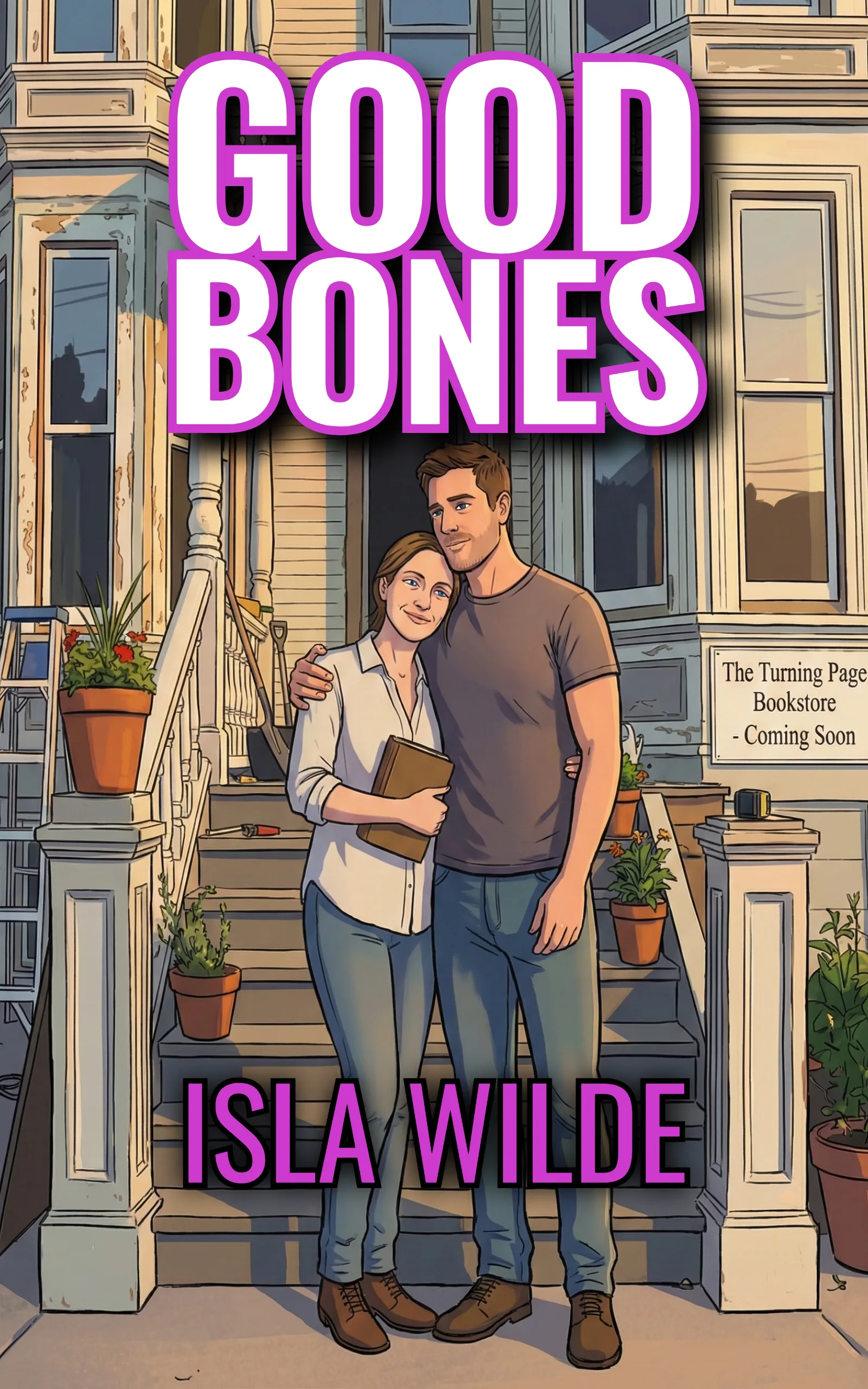
Good Bones — Isla Wilde (M/F Second Chance, Scorching Heat)
The 40-year-old-divorced-heroine MF second chance. Claire Montgomery has mastered the art of starting over — forty, divorced, laid off, the bewildered owner of a decaying Victorian manor in a town she’s never heard of. Beckett Thorne is the contractor she hires to fix it. The structural setup is the architectural compression of a marriage that quietly diminished Claire’s competence colliding with the second-chance recognition that her actual life starts now.
Isla Wilde does the older-MF-heroine second chance with extraordinary precision. Claire’s slow process of becoming part of a town she didn’t choose, the careful navigation of her own competence after a marriage that diminished it, the slow recognition that Beckett’s calm professional restraint has been quietly going somewhere it shouldn’t — every architectural lever the second-chance trope rewards. Scorching heat. Age gap. Fixer upper. Small town. Post-divorce architectural restart. Read Good Bones free on KU →


Scissors Sisters — Aurora North (F/F Second Chance, Inferno Heat)
The small-town sapphic salon-rivals second-chance variant. Sloane Kensington runs the Gilded Lily — Garnet Falls’s most prestigious salon. Every surface gleams. Every appointment runs on time. Every strand of hair obeys. She hasn’t let anyone past her defenses in thirteen years, and she’s not about to start now. Jax Mercer is the rebel hairstylist who left town at eighteen and has now come back to open a competing salon directly across the street.
Aurora North does the FF small-town second chance with the precision the trope demands. The salon-rivalry framework is the device. The small-town watching is the structural enforcer. The slow recognition that thirteen years of avoidance was always going to collapse into this is paced with the patience the architecture requires. The ice-queen/rebel rivalry dynamic is the engine. The thirteen-year deferral is the load-bearing element. Inferno-tier. Second chance. Small town. Ice queen. Forced proximity. Rivals to lovers. Read Scissors Sisters free on KU →
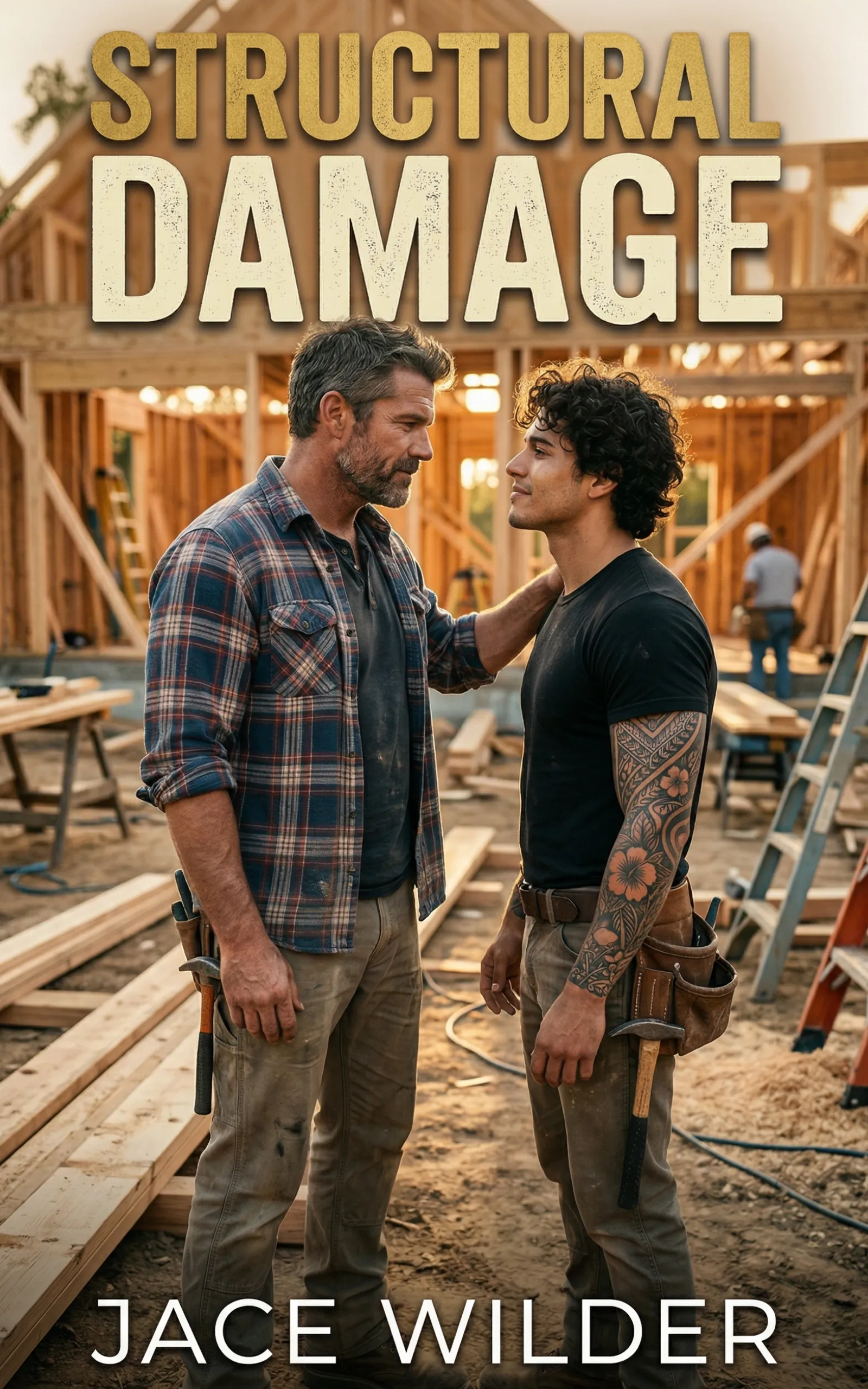
Structural Damage — Jace Wilder (M/M Second Chance, Inferno Heat)
The contractor-architect MM second chance. The blue-collar contractor who never left town and the architect who came back to handle his mother’s estate are about to share a job site for the duration of a renovation neither of them was prepared to be working on together. The accumulated distance is real. The reason for the original breakup is structurally specific. The renovation timeline is the architectural compression device. The slow corruption of professional distance into the relationship neither of them admitted ended is paced with the patience the second-chance trope demands.
Jace Wilder does the MM second-chance with the structural rigor the trope requires. The contractor’s quiet competence is the load-bearing element. The architect’s careful management of having walked back into the life he left is the engine. The slow recognition that the structural damage wasn’t to the property is the trope’s signature payoff. Inferno-tier. Second chance. Blue collar. Forced proximity. Small town. Praise kink. Read Structural Damage free on KU →

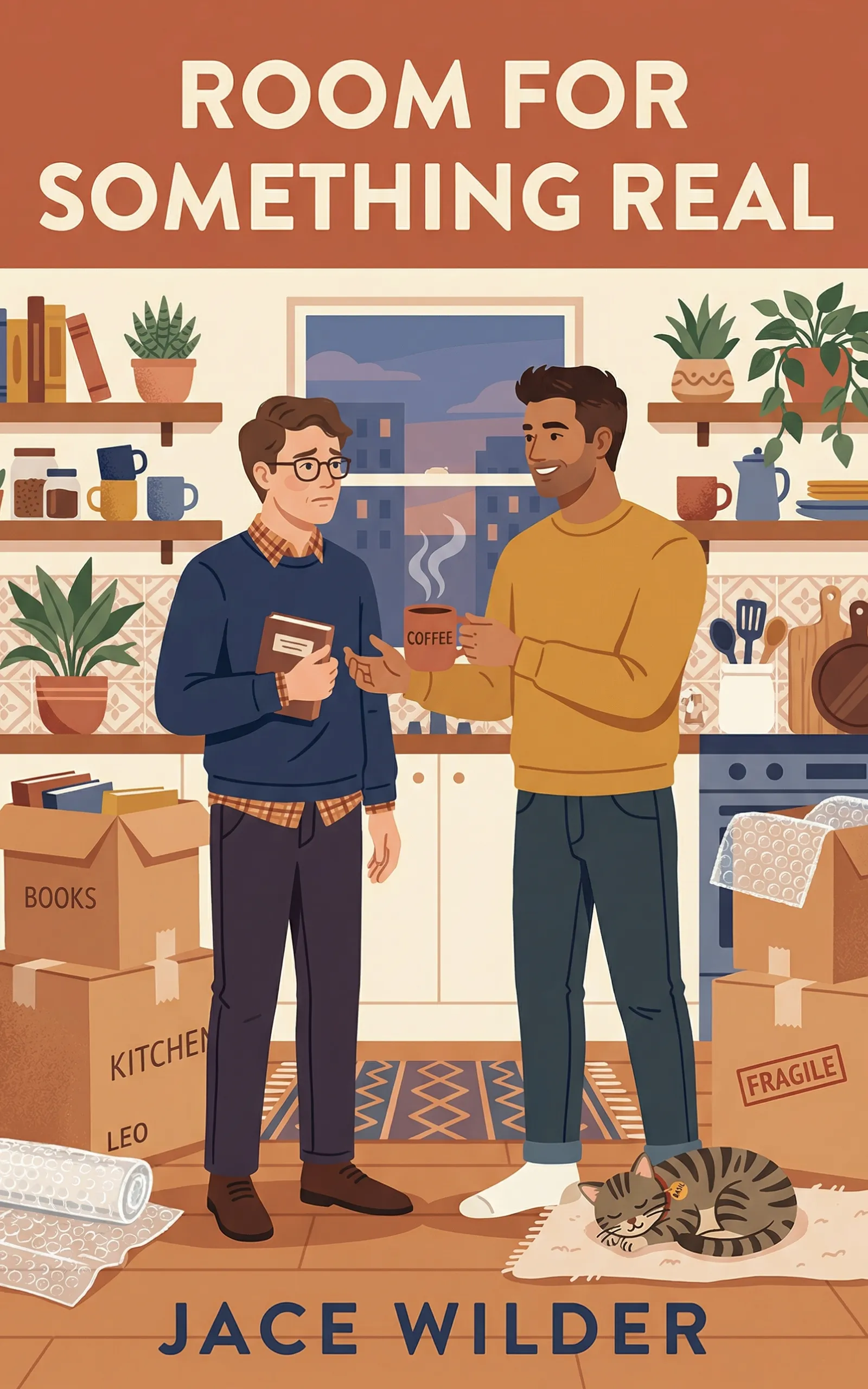
Room for Something Real — Jace Wilder (M/M Second Chance, Inferno Heat)
The MM apartment-reunion second chance. The protagonist who left and the one who stayed end up structurally sharing an address again — a roommates arrangement built around financial necessity that compresses every unaddressed thing they should have said years ago into the daily reality of shared coffee, shared bathroom, shared kitchen. The architectural compression is the trope’s signature payoff. The slow recognition that the apartment they have been pretending to share platonically is structurally the only real relationship either of them has been navigating is paced with the patience the second-chance trope demands.
Wilder does the MM apartment-second-chance with the structural commitment the trope demands. The roommates lock-in is the device. The accumulated years of unaddressed history are the load-bearing element. The slow corruption of the financial-necessity arrangement into the relationship neither of them is going to be able to walk back from is the engine. Inferno-tier. Second chance. Roommates to lovers. Slow burn. Grumpy/sunshine. Read Room for Something Real free on KU →

Single House Shared Secrets — Aurora North (F/F Second Chance, Inferno Heat)
The FF small-town inheritance second-chance variant. Two women who haven’t spoken in years inherit the same house from a relative who structurally meant for them to be in this room together. The forced-proximity inheritance compression is the architectural device. The shared-secrets backstory is the structural compression. The small-town setting is the load-bearing enforcer. The slow recognition that the years apart have been a deferral of the relationship the inheritance has now structurally required them to confront is the engine of the entire book.
Aurora North does the FF small-town second-chance inheritance at architectural extreme. The forced-proximity device is the lock-in. The shared-secrets backstory layers structurally on top of the second-chance architecture. The slow corruption of careful avoidance into the relationship both women have been deferring is paced with the patience the genre rewards. Inferno-tier. Second chance. Sapphic awakening. Small town. Forced proximity. Inheritance. Forbidden. Read Single House Shared Secrets free on KU →
Why Second Chance Hits So Hard
The trope persists because it puts romance’s deferred-recognition architecture under the structural pressure of accumulated history.
Other tropes build deferral into the present-tense plot. Friends-to-lovers defers the recognition across the chapters of the book. Forced proximity defers it across the duration of the structural lock-in. Secret relationship defers the public reveal. Second chance is different — the deferral already happened. The structural failure is in the backstory. The book is the architectural collapse of the years between, compressed into a present-tense reunion that has to navigate everything that happened during the deferral before the relationship can land at full structural pressure.
That’s why the trope rewards architectural seriousness about the original failure. Books that gloss the breakup as a misunderstanding underdeliver. Books that respect the structural cost of the years apart — the careful accommodations each protagonist made to a life without the other person, the quiet reorganizations that have to come undone, the people both protagonists became during the deferral — are the books the trope is actually built for. Every title above respects this. Every title above treats the years between as the structural foundation rather than as backstory exposition.
And it’s why the on-page heat at the moment the reunion finally lands matters so much. The trope’s signature payoff is the embodied confirmation that the deferral was worth navigating — every careful page of reconciliation, every present-tense reorganization of the accumulated past finally collapses into the on-page work the structural commitment has been writing toward. Trad-pub gateway titles tend to handle this beat at moderate heat. Indie KU takes the heat ceiling fully off, and the result is the trope finally cashing the check the entire backstory has been writing.
That’s the gap the six titles above fill. The accumulated patience the gateway titles built the audience for, finally cashing both checks.
Frequently Asked Questions
What’s the spiciest second chance book on Kindle Unlimited?
Structural Damage (Jace Wilder, MM contractor reunion), Scissors Sisters (Aurora North, FF salon rivals 13yr deferral), Room for Something Real (Jace Wilder, MM apartment reunion), and Single House Shared Secrets (Aurora North, FF inheritance reunion) all run Inferno-tier on the indie KU shelf. All featured above. All free with Kindle Unlimited.
Best gateway second chance romance?
November 9 (Colleen Hoover) for the annual-reunion variant. People We Meet on Vacation (Emily Henry) for friends-to-lovers second chance. Things We Never Got Over (Lucy Score) for small-town reunion with single-dad fostering. Beach Read (Emily Henry) for MFA-program-rivals reunion. Ugly Love (Hoover) for past-trauma second chance. It Ends With Us (Hoover) for darker emotional stakes.
Best small-town second chance romance?
Cedar & Ink (Ames Willow, MM Vermont 14yr deferral writer cabin), Scissors Sisters (Aurora North, FF small-town salon rivals 13yr deferral), Single House Shared Secrets (Aurora North, FF small-town inheritance reunion), and Structural Damage (Jace Wilder, MM small-town contractor reunion) are the indie KU small-town second chance picks featured above. All Inferno-tier. All free with Kindle Unlimited.
Best MM second chance romance?
Cedar & Ink (Ames Willow), Structural Damage (Jace Wilder), and Room for Something Real (Jace Wilder) are the indie KU MM second chance picks featured above. All Inferno-tier or High heat. All free with Kindle Unlimited.
Best sapphic second chance romance?
Scissors Sisters (Aurora North, FF small-town salon rivals 13yr) and Single House Shared Secrets (Aurora North, FF small-town inheritance reunion) are the indie KU sapphic second chance picks featured above. Both Inferno-tier. Both free with Kindle Unlimited.
Are these books standalone?
November 9, People We Meet on Vacation, Beach Read, Ugly Love, and It Ends With Us (note: has sequel It Starts With Us) are all standalones. Things We Never Got Over kicks off the Knockemout series. The Fractal Enigma indie titles featured above are all standalone first reads.
This post contains Amazon affiliate links. As an Amazon Associate, Fractal Enigma earns from qualifying purchases at no extra cost to you.
Never miss a release — join the newsletter for new books, exclusive bonus chapters, and reader-only giveaways. 🔥
The form you have selected does not exist.





One Comment
Comments are closed.