Best Why Choose Romance & RH Romantasy Books 2026 — She Keeps Them All
She doesn’t choose. She keeps them all. They’re all fine with it. And by chapter three, you the reader are also fine with it, because the architecture of Why Choose romance is the only configuration in the genre that lets the love-triangle tension never collapse into the tired “pick one and break the other one’s heart” finale that mainstream romance has been recycling for fifty years. Why Choose says: actually, no. Everyone gets the happily ever after. The polycule moves into the cabin together. The reader closes the book vibrating.
The trope has expanded its territory aggressively over the last three years. The romantasy shelf is currently the strongest place to find it — Why Choose RH romantasy is a genre-within-a-genre at this point, with academies, fae courts, dragon riders, and crown princes who have collectively decided that the heroine is theirs and there’s nothing further to discuss. The contemporary side of the trope has also matured: MFM ménage is its own subgenre with hockey arenas and lakeside cabins; FFF triads are emerging as the sapphic Why Choose answer to ACOTAR’s male-led pantheon; MMM and MM Why Choose is doing some of the most ambitious queer poly work currently in print.
Below: six trad-pub gateway comps that built the modern Why Choose / RH romantasy shelf, plus five indie Kindle Unlimited titles where the polycule comes home from the renovation, the road trip, the championship — and stays. All featured below run Inferno-tier or Scorching on-page heat. Most are free with Kindle Unlimited.

Zodiac Academy — Caroline Peckham & Susanne Valenti
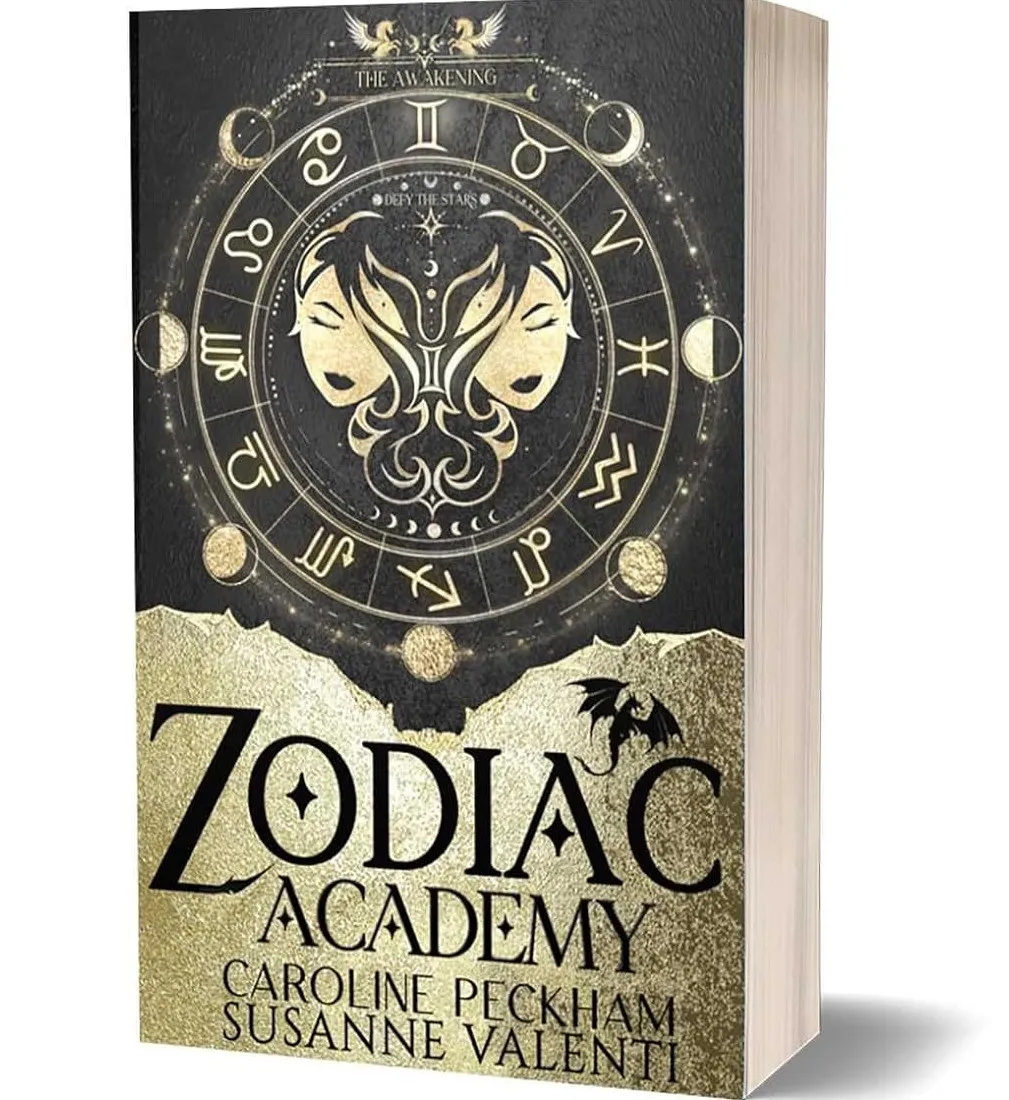
The juggernaut. Tory and Darcy Vega — orphaned twins who’ve spent eighteen years bouncing through the foster system in our world — discover on their nineteenth birthday that they are heirs to the throne of Solaria, a magical kingdom where everyone manifests an Order (dragon, pegasus, fae, vampire, harpy) and four ruthless Heirs have spent the last decade building their power base in anticipation of the lost princesses’ return. The Heirs are not pleased the twins have shown up. They were going to inherit the kingdom themselves. They’ve been training their entire lives. The twins enroll at Zodiac Academy. The Heirs declare open war. And the war is, by chapter eight, looking suspiciously like four men competing to ruin one of the twins specifically — and one of them is having very confusing thoughts about it.
Peckham and Valenti built a cult following on this series, and the architectural reason is precise: the Why Choose payoff is so deferred and so heavily fortified by genuine animosity that when the romance finally lands, it lands on the level of structural surrender. Tory’s polycule of four Heirs (Darius the dragon shifter, Caleb the vampire, Max the water Element, Seth the wolf shifter) takes nine books to fully assemble. The slow-burn trope-stacking — bully romance, enemies-to-lovers, fated mates, fae court politics, dark academia — is the engine that makes the eventual reverse-harem cohabitation feel earned rather than gimmicky.
Heat is high — fully on-page from book three onward — and the dark-academia bully-romance opening is structurally important. Not for the faint of heart. For readers who have heard “Zodiac Academy” whispered in the same breath as ACOTAR for the last two years and want the entry point: this is it. The Awakening is book one. The series is currently nine books, with spinoffs.
Get Zodiac Academy: The Awakening on Amazon →
Gild (The Plated Prisoner) — Raven Kennedy
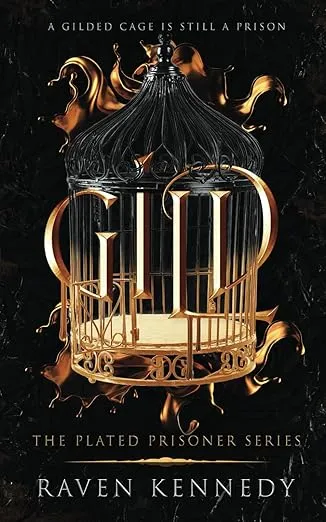
The dark fae Why Choose entry. Auren is the saddle — the favored woman — of King Midas, a fae king whose touch turns living things to gold. She has been his prisoner-pet-prize for ten years. She lives in a gilded cage. She believes herself in love with the man who owns her. The Plated Prisoner series is the slow, six-book unraveling of every lie Midas has built his ownership on, and the gradual discovery that the Fae Commander, a Wrath, and a wild king from another kingdom have all noticed Auren in ways Midas was never going to.
Kennedy does the dark Why Choose at the structural extreme. The trope’s payoff isn’t “she has options” — it’s “she has been so thoroughly conditioned that recognizing she has options is itself the engine of the entire arc.” The polycule that assembles around her by book four (Slade especially) is structurally earned by Auren’s slow self-recognition rather than by male-dominance posturing. The world-building is dense. The fae politics are real. The breeding kink, possessive heroes, and dark psychological architecture are all on-page and well-handled.
Heat is high — Inferno-adjacent — with on-page work that earns the slow build. For readers who want the dark Why Choose romantasy that ACOTAR fans graduate into when they want sharper teeth.
Lords of Pain — Angel Lawson & Samantha Rue
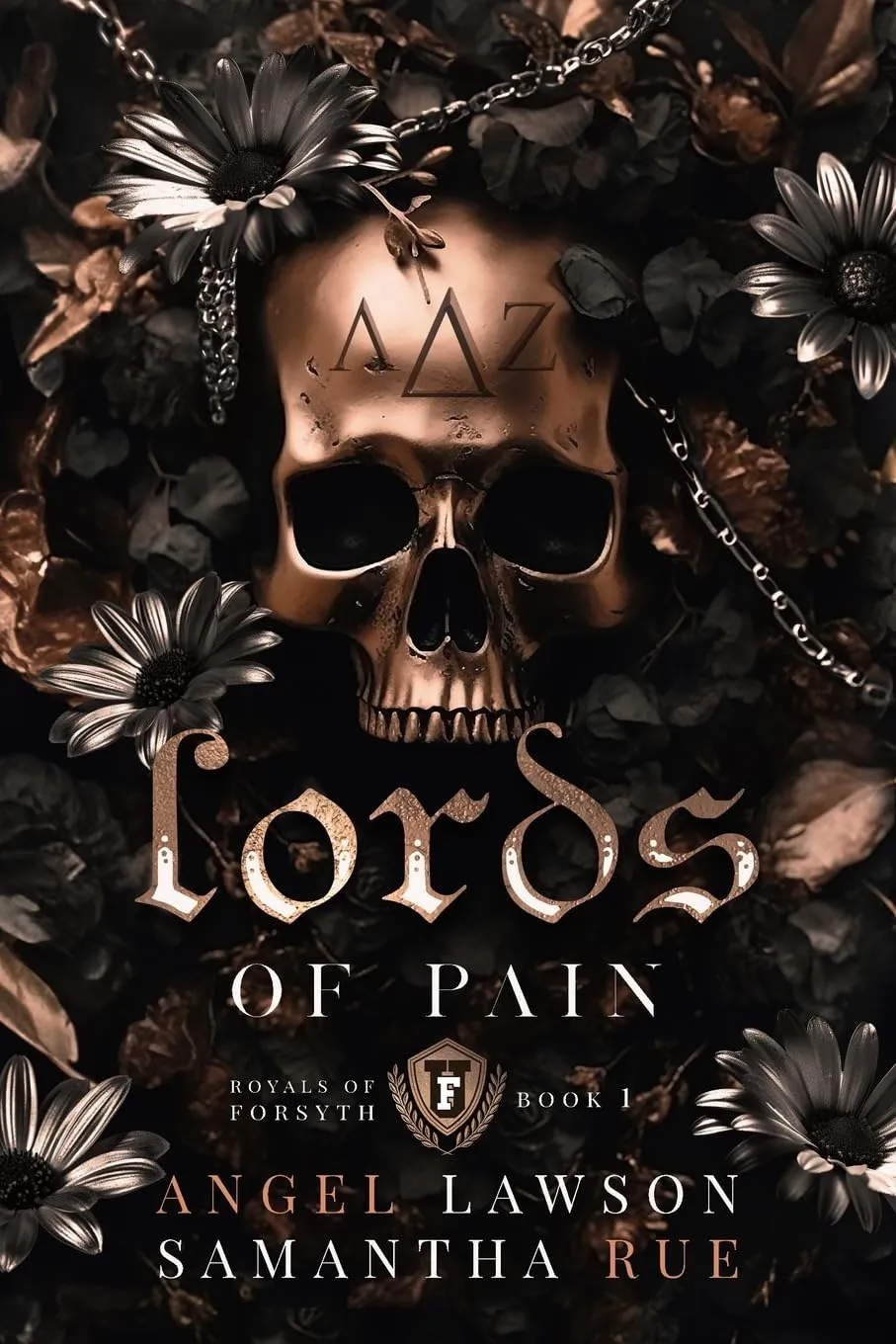
The dark academia bully-RH variant. Frankie Hunt arrives at Forsyth University on a scholarship she has fought for her entire life — first-generation college, scrappy, brilliant, the kind of girl who has spent eighteen years promising herself she would not be intimidated by rich men. Forsyth is a school built on rich men. The Royals — the four legacy heirs who have controlled the campus’s social hierarchy for three generations — have decided Frankie is their next target. The hazing is creative. The hostility is real. The fact that all four of them have, by midterms, been having identical confusing thoughts about her is the engine of the second half.
Lawson and Rue do the bully-RH dark academia at the highest tier on the indie shelf. The Royals dynamic is structurally specific — each of the four has his own backstory, his own grievance with Frankie, his own slow recognition that the bullying was always cover for something else. The class-difference architecture is real. The sorority/fraternity Greek-life setting is well-handled. And the eventual collapse of the Royals’ anti-Frankie coalition into the polycule that protects her from the rest of the campus is paced with the patience the trope rewards.
Heat is Inferno-tier. Bully romance. Dark academia. Class difference. Why Choose RH that takes its time and earns every concession.
Daughter of No Worlds — Carissa Broadbent
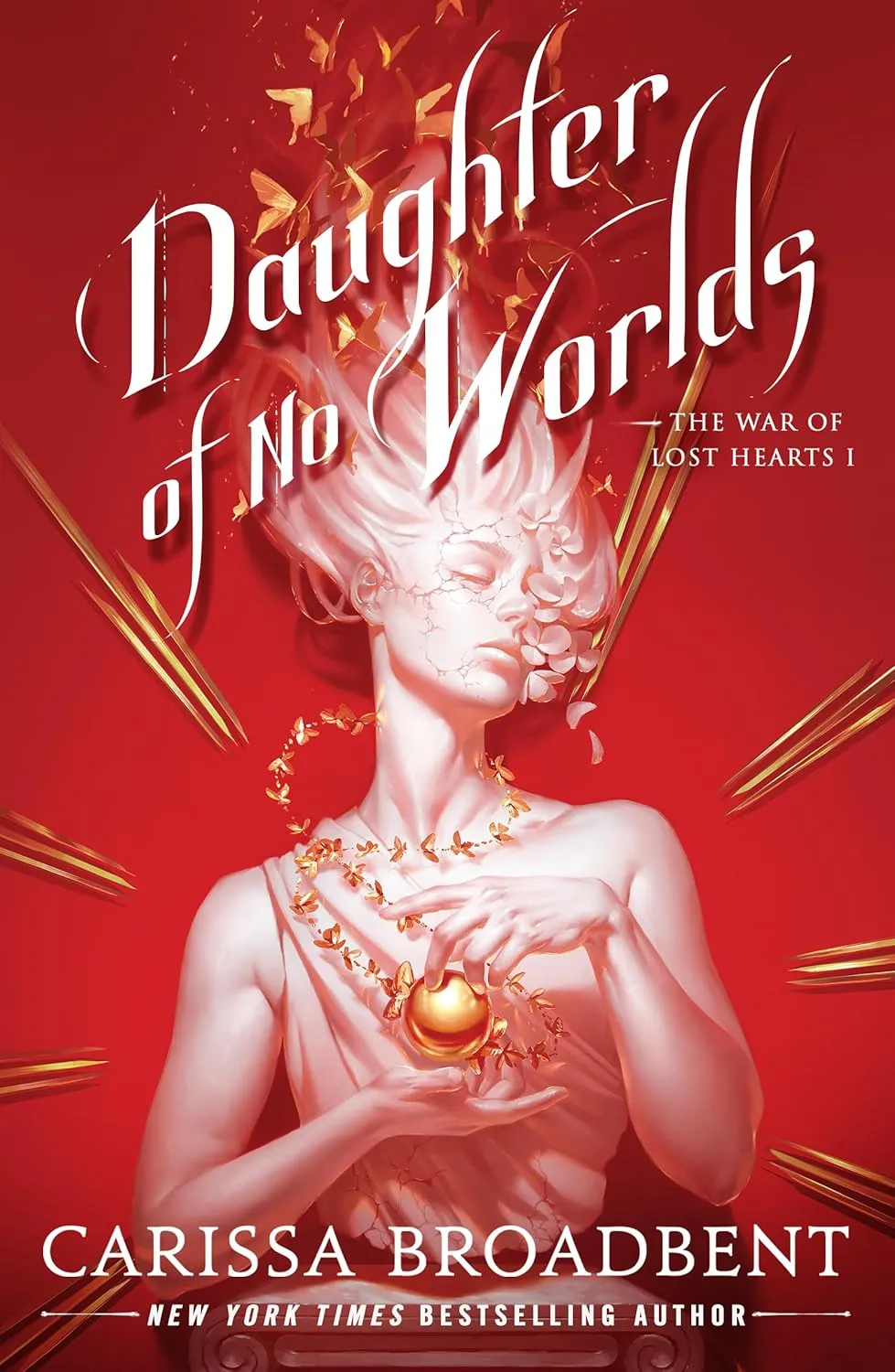
The romantasy bridge title for Why Choose curious readers. Tisaanah is a slave who has spent her entire life owned by other people, until a war wizard named Maxantarius drags her out of the dueling rings of the Mikov empire and gives her a choice she has never had before — leave, or stay and learn to wield the magic the empire has spent her whole life beating out of her. What follows is a war fantasy with one of the most carefully built MF romances on the romantasy shelf and a structural openness to additional partners that makes the series a frequent recommendation for Why Choose romantasy fans curious about the genre’s softer edge.
Broadbent’s work is the closest thing the romantasy shelf has to literary fantasy with romance load-bearing. Tisaanah’s interiority is the masterclass. Maxantarius’s grief and protective restraint are real. The world-building is precise. The series isn’t a strict reverse harem — it’s MF-led — but the slow expansion of Tisaanah’s world to include alliances and bonds with multiple powerful figures across the Aviness and Threllian houses creates a structural openness that maps closely to what Why Choose readers are looking for, with significantly less of the bully-romance architecture some find off-putting.
Heat is moderate — open door, well-paced — with the romance treated as the emotional spine rather than the pacing engine. For readers who want romantasy that respects them.
Get Daughter of No Worlds on Amazon →

Kingdom of the Wicked — Kerri Maniscalco
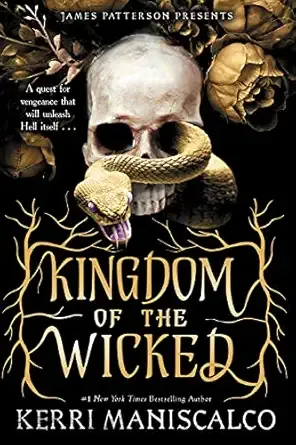
The Sicilian witch / demon prince variant. Emilia is a witch in nineteenth-century Sicily whose twin sister Vittoria has been brutally murdered. Wrath, a demon prince, shows up in the wake of the murder claiming Emilia’s grief is the only thing standing between him and finding the killer — and that the seven Princes of Hell have been waiting for one of the twins specifically. The series stretches the demon-prince architecture across three books, with the polycule architecture remaining tight on Wrath but with the shadow of his six brothers building outward as the series progresses.
Maniscalco is technically MF-primary across the trilogy, but the demon-prince setup creates a Why Choose-adjacent structural reading of the universe — every time another Prince of Hell appears, the question of whether Emilia’s loyalty might expand becomes architecturally live, and the eventual revelations about the brothers’ interrelationship make the series a frequent crossover recommendation. For readers who want romantasy with Italian setting, witchcraft, and demon-prince architecture without the full RH commitment, this is the entry.
Heat is moderate — open door, mainstream-romantasy register. The Sicilian witch worldbuilding is the masterclass. For readers who want the gateway romantasy that opens the door on demon-prince architecture without going full RH.
Get Kingdom of the Wicked on Amazon →
Pucking Around — Emily Rath
The contemporary MFM hockey gateway. Rachel Price is the new sports therapist for the Jacksonville Rays — recently transferred, three years out of a marriage she barely remembers, and immediately drowning in the locker room politics of an NHL team where the captain hates her, the goalie wants her, and the rookie has been quietly losing his mind every time she walks past his stall. The MFM polycule that assembles is structurally specific — Jake, Lukas, and Compton each have their own arc, their own injuries, their own backstories — and the slow-burn polyamory gets handled with the moral seriousness the trope demands rather than as a set-piece.
Rath does the contemporary Why Choose at the structural extreme. The hockey is real. The professional context is rigorously maintained. The polycule does the work the trope expects — actual relationship architecture, jealousy and resolution, found-family integration with the rest of the team — and the eventual recognition that all three men want this and Rachel wants this and the only obstacle was their collective conviction that nobody could want this lands hard.
Heat is high — open door, on-page, sustained. For readers who want the contemporary MFM hockey Why Choose that took the indie shelf’s structural commitments to the trad-pub crossover. Pucking Around is book one of the Jacksonville Rays series.
Get Pucking Around on Amazon →

Indie KU Why Choose — The Polycule Stays Together
Here’s what the trad-pub Why Choose / RH romantasy shelf does well: the world-building, the slow-burn deferral, the structural patience that lets a four-man polycule assemble across nine books without feeling rushed. Here’s what it doesn’t do as consistently: contemporary settings. MM Why Choose. FFF sapphic Why Choose. Real-world stakes that don’t depend on fae politics or magical academies.
The indie KU shelf is currently the strongest place in romance for the contemporary side of the trope. MFM hockey ménage. MFM lakeside renovation polycules. MM Why Choose with five-man cabin polyamory. FFF sapphic college sports triads. The catalog is mature, the on-page heat is consistent, and the structural commitment to “everyone gets the HEA” is the load-bearing thing every book on this list cashes the check on.
The five titles below are the indie KU Why Choose architectural extremes. Inferno or Scorching heat. Real polycules. Structurally earned commitments. All free or available on Kindle Unlimited.
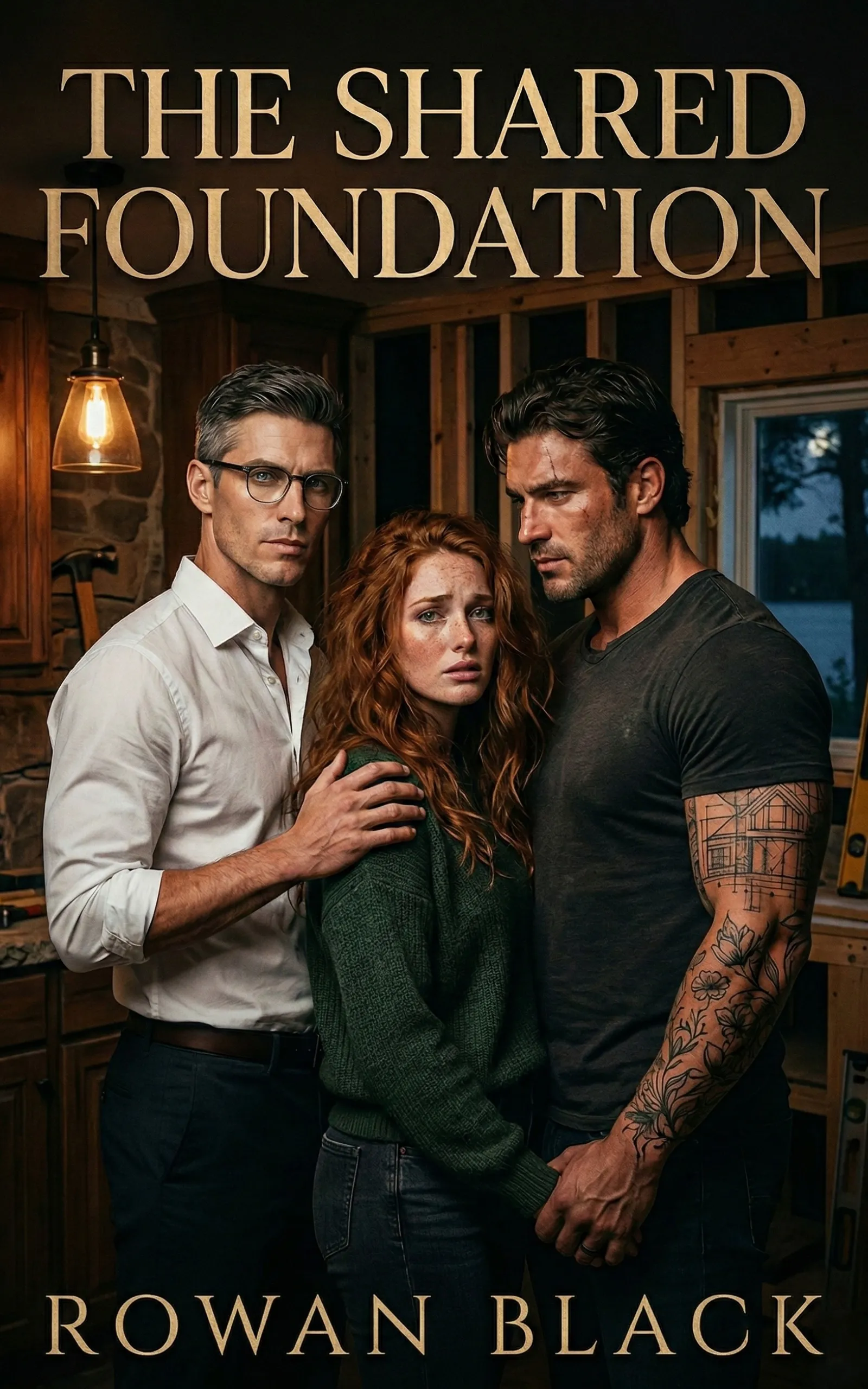
The Shared Foundation — Rowan Black (MFM Ménage Why Choose, Scorching Heat)
Elara Cross has a plan: fly in, sell her late grandmother’s lakeside estate, and return to her carefully organized Boston life. One week, clean break, no complications. Then she meets the complications. Cole Ashford is the architect — precise, controlling, the unsettlingly beautiful designer who has been waiting on this property for reasons that have nothing to do with her. The other one is the contractor. Both of them know exactly what they want. Both of them have been working on this house, and each other, for longer than they’re going to say.
The Shared Foundation is the MFM Why Choose ménage at the structural extreme. Rowan Black writes the established-pair-pulling-in-the-third architecture with the precision the trope demands — Cole and the contractor are not rivals competing for Elara, they are two men whose existing dynamic has had a missing third for years, and Elara is the recognition. The breeding kink, the power exchange, the BDSM architecture, the small-town isolation that makes the polycule’s emergence structurally inevitable — every architectural lever the trope rewards.
Scorching-tier. Forced proximity. Stepbrother. Found family. Read The Shared Foundation →
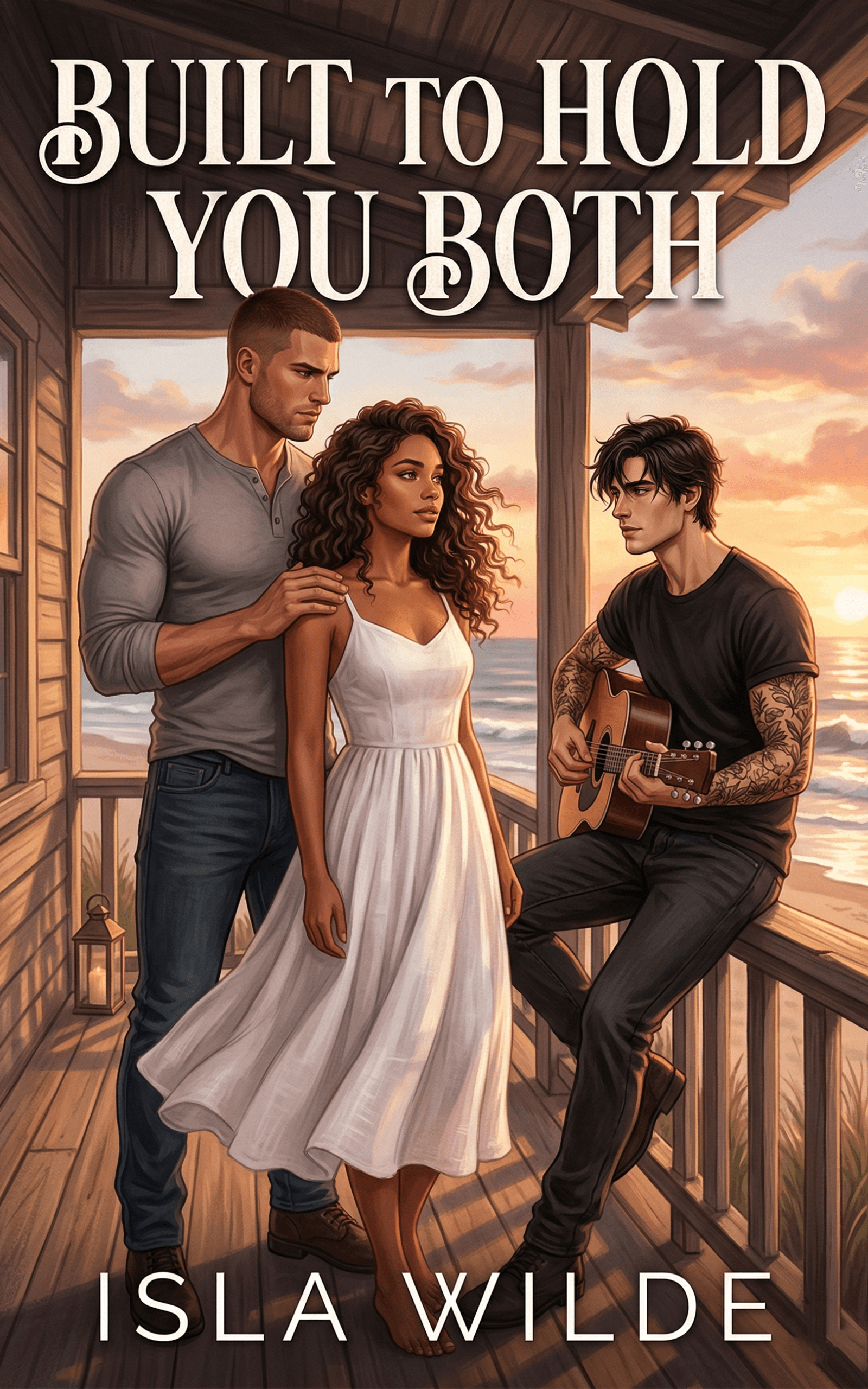
Built to Hold You Both — Isla Wilde (MFM Ménage Why Choose, Inferno Heat)
The best-friends-share-her variant. Drew and Mason have been best friends for fifteen years, business partners for ten, and quietly, devastatingly aware of the same woman for the last six months. Sloane is the designer they’ve hired to overhaul their joint architecture firm’s office space, and the slow accumulation of late nights at the studio, shared dinners, and the obvious mutual recognition between all three of them is the engine of a slow-burn that finally combusts when one of them — neither will admit which — finally says the thing both of them have been thinking. Sloane stays. Both of them stay. The polycule is built to hold all three of them.
Isla Wilde does the MFM Why Choose with the architectural patience the trope rewards. The two-men-already-have-history setup is the structural device — Drew and Mason’s friendship is real, deep, and treated with the weight it deserves — and the eventual addition of Sloane is the polycule recognition rather than competitive rivalry. The on-page work earns the slow build. The found-family architecture is treated with care.
Inferno-tier. Best friends to lovers. Forced proximity. Praise kink. Read Built to Hold You Both free on KU →


Studs & Drywall — Jace Wilder (M/M Why Choose 5-Man, Inferno Heat)
The MM Why Choose architectural extreme. Five men. One cabin. One bed built specifically for all of them. Julian Vane is twenty-six, a former librarian, and falling apart after three years with a man who told him he was “exhausting to love.” He inherits a rotting cabin in Vermont, intends to flip it solo, and instead runs into a four-man crew of contractors who have, individually, been waiting for him for various reasons. The renovation takes the summer. The polycule takes longer.
Studs & Drywall is the MM Why Choose book Boyfriend Material readers and Studs & Drywall fans both want. Jace Wilder treats the five-man polycule as a small-town story rather than a fantasy — the cabin is real, the town is real, the crew has rivalries and histories and the kind of long-built friendship that makes a five-person relationship plausible. The forced-proximity, blue-collar, found-family architecture is at its structural extreme. The on-page heat is Inferno-tier and earns the slow build of every shared meal at the dinner table.
Inferno-tier. Forced proximity. Found family. Blue collar. Read Studs & Drywall free on KU →
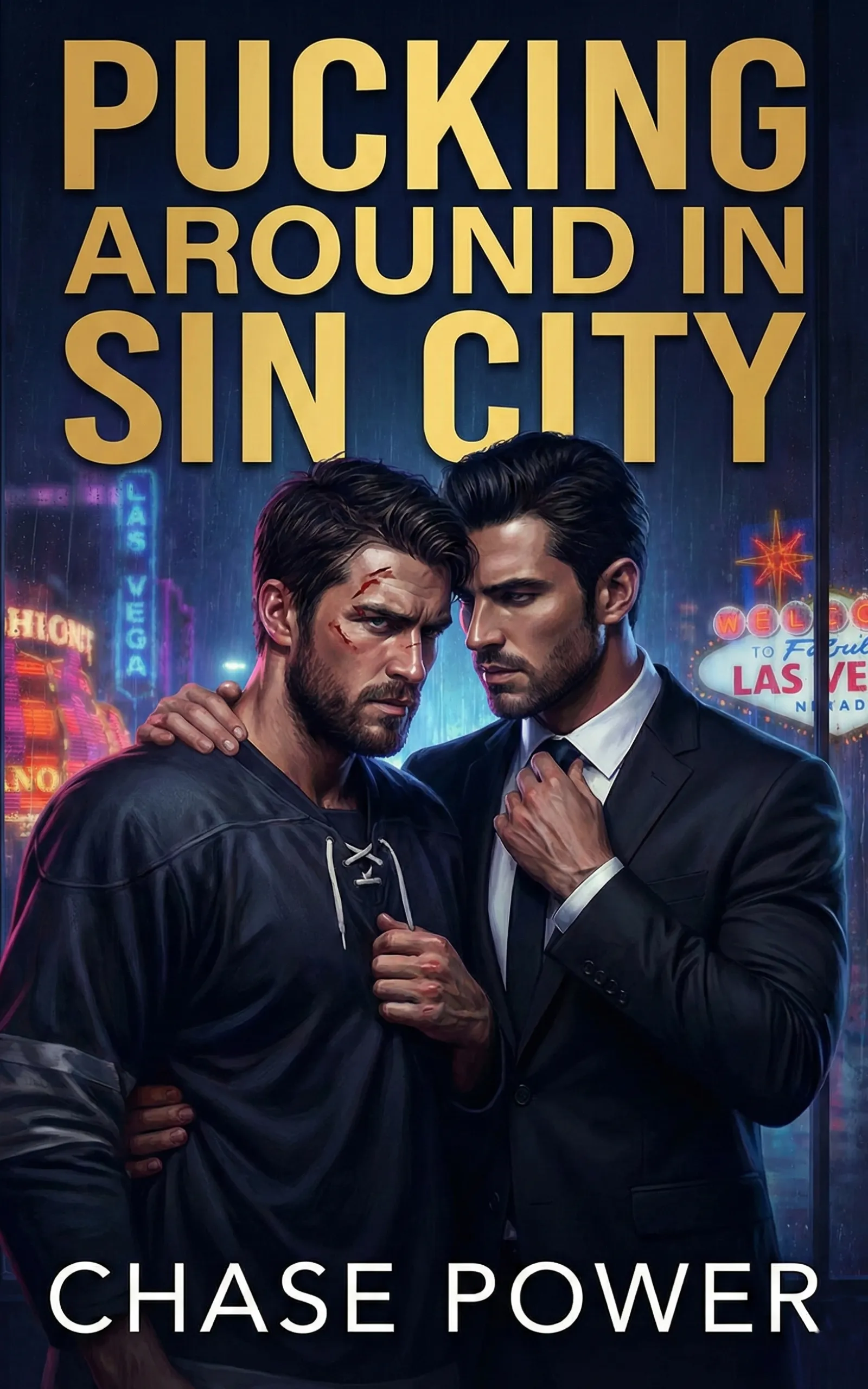
Pucking Around in Sin City — Chase Power (MFM Hockey Why Choose, Inferno Heat)
The Vegas-hockey MFM. Maddie Cross is on her last bachelorette trip ever — three days in Las Vegas, then home to a fiancé she has spent the last six months pretending she still wants to marry. The first night out, she meets two members of the visiting Pittsburgh hockey team. The second night, she has missed her flight. The third night, she has been told by both men that the two of them have an existing arrangement she might be a perfect fit for, and the wedding she is supposed to be flying back to is the last thing on her mind.
Pucking Around in Sin City is the contemporary MFM hockey Why Choose at the architectural extreme. Chase Power treats the Vegas-bachelorette setup with the structural commitment the trope demands — Maddie’s runaway-bride arc gets the moral weight it deserves, the two hockey players’ existing dynamic is real and earned, and the polycule that emerges by chapter twenty is the recognition rather than the rebound. The hockey is well-handled. The praise-kink architecture lands. The found-family integration with the rest of the team treats the relationship as the long-term thing it deserves to be treated as.
Inferno-tier. Vegas. Hockey. Praise kink. Established-pair-pulls-in-third. Read Pucking Around in Sin City free on KU →

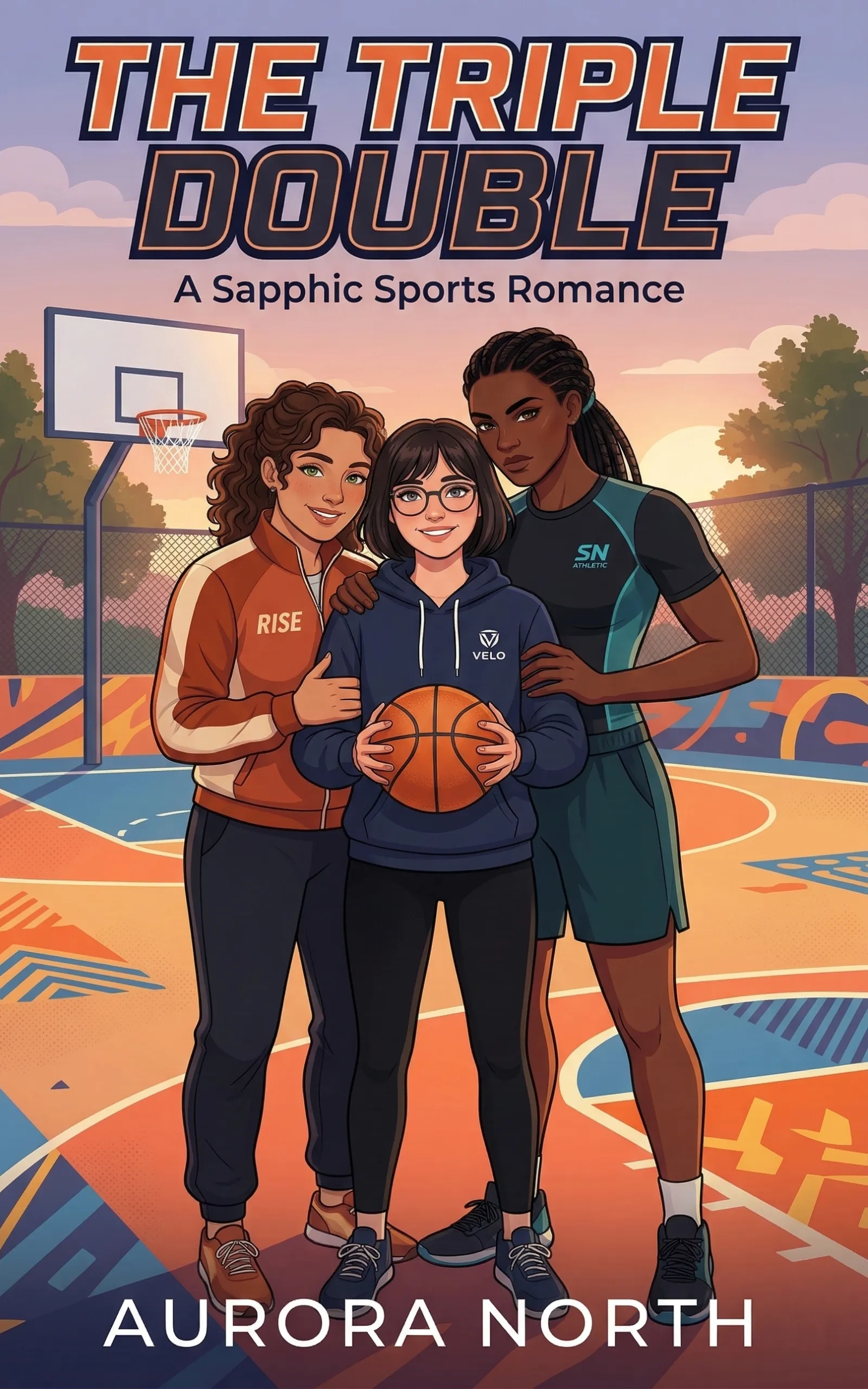
The Triple Double — Aurora North (F/F/F Sapphic Why Choose, Inferno Heat)
The sapphic FFF Why Choose answer to the entire trad-pub male-led pantheon. Saylor is the senior captain of the Apex University women’s basketball team — laser-focused, championship-bound, and one season away from the WNBA draft. Roe is the brilliant grad-student team manager who has been quietly running Saylor’s life for two seasons. Gemma is the talented sophomore wing the team recruited last year who calls Saylor “ma’am” by accident in the locker room and nearly takes the entire team’s season down with the consequences. The polycule that assembles over seven weeks of basketball, locker-room massage, bus hand-holding, and a championship that breaks the internet is the entire architecture of the back half.
The Triple Double is the sapphic Why Choose triad book the FFF shelf has been waiting for. Aurora North does the trope’s full architectural work — Saylor’s authority, Roe’s quiet competence, Gemma’s “yes ma’am” submission — with the precision the genre demands. The basketball is real. The college sports professional stakes are rigorous. The triad’s emotional architecture (each of the three women has a specific bond with each of the others) is treated with the structural seriousness the trope rewards. The on-page heat lands hard.
Inferno-tier. FFF triad. Power exchange. Praise kink. College sports. Read The Triple Double free on KU →

Why Choose Romance — The Architectural Argument
The trope persists because it answers a structural problem mainstream romance has been politely refusing to acknowledge for fifty years.
The love triangle has been a load-bearing romance device since the genre’s modern formation. Two men want the same woman. The reader gets to spend three hundred pages choosing which one she’ll pick. And then the chosen one wins, the unchosen one disappears with grace or dignity or quiet devastation, and the reader closes the book having effectively rooted against one of the people they were given to love. The structural cost of the love triangle is that it punishes one of its protagonists by design. Why Choose says: the structural cost was always optional. Everyone stays. Everyone is loved. The HEA is plural.
The architectural commitment that makes the trope work is treating polyamory as a stable end state rather than a transitional one. Books that do Why Choose poorly stage it as a phase the heroine moves through before “really” choosing one. Books that do it well — every title above — treat the polycule as the destination. The HEA is the polycule moving in together, raising kids together, sharing a championship parade together, ruling the kingdom together. The trope’s emotional payoff is the structural recognition that everyone the heroine loves gets to stay.
That’s also why the trope’s heat ceiling matters so much. Why Choose books that fade past the door at the moment the polycule actually consummates as a polycule are operating on half-power — the scene where all three or four or five partners are physically together is structurally the trope’s signature payoff, and the books that handle it on-page are the books that earn the architectural commitment they’ve been making for three hundred pages. The indie KU shelf is the strongest place in romance for that exact moment to land without flinching.
And it’s why the trope’s deepest variants — MM Why Choose, FFF sapphic triad, MFM established-pair-pulls-in-third — are doing some of the most ambitious work in the genre right now. The architectural argument that the polycule is the destination rather than the detour is the trope’s signature claim. Indie KU is the catalog where that claim is currently being made the most rigorously.
Frequently Asked Questions
What’s the difference between Why Choose and reverse harem?
The terms are largely interchangeable, but “Why Choose” has become the preferred label in the contemporary romance community over the last three years. “Reverse harem” still appears commonly in the romantasy and fantasy spaces (Zodiac Academy, Lords of Pain, Gild) and tends to imply a four-or-more-male-partners structure. “Why Choose” is the broader umbrella — covers MFM, MMM, FFF, FMF, and any other configuration where the protagonist ends up with multiple partners and the polycule is the HEA destination.
What’s the best Why Choose romantasy for ACOTAR fans?
Zodiac Academy by Caroline Peckham & Susanne Valenti is the most-recommended romantasy RH for ACOTAR readers ready for darker, more bully-romance-leaning territory. Gild (The Plated Prisoner) by Raven Kennedy for darker fae politics. Lords of Pain by Lawson & Rue for dark academia bully-RH. Daughter of No Worlds by Carissa Broadbent for romantasy with literary craft.
What’s the best contemporary Why Choose romance on KU?
The Shared Foundation (Rowan Black, MFM lakeside ménage), Built to Hold You Both (Isla Wilde, MFM best-friends-share-her), and Pucking Around in Sin City (Chase Power, MFM hockey) are the indie KU contemporary Why Choose picks operating at the trope’s structural extreme. All three featured above. All three free with Kindle Unlimited.
Are there sapphic Why Choose / FFF triad romances?
Yes — and the FFF triad shelf is currently doing some of the most ambitious sapphic Why Choose work in print. The Triple Double by Aurora North is the indie KU sapphic FFF Why Choose pick — featured above, free with Kindle Unlimited. The college basketball setting and the structurally rigorous triad architecture make it the closest sapphic answer to the genre’s traditionally male-led RH pantheon.
Are MM Why Choose books common?
Less common than MFM but growing. Studs & Drywall (Jace Wilder, MM five-man cabin polycule, featured above) is the indie KU architectural extreme of the trope — five men, one Vermont cabin, one bed built specifically for all of them. The shelf is small but mature; the books that do it well treat the polycule with the same structural seriousness as MFM Why Choose.
Are these series-required reads or standalones?
Mixed. Zodiac Academy and Gild are series-required (each book ends with the polycule still assembling). Lords of Pain is series-required. Pucking Around is book one of an interconnected series. Daughter of No Worlds and Kingdom of the Wicked are series-leads but read as standalones. The Fractal Enigma indie titles featured above are all standalone first reads.
This post contains Amazon affiliate links. As an Amazon Associate, Fractal Enigma earns from qualifying purchases at no extra cost to you.
Never miss a release — join the newsletter for new books, exclusive bonus chapters, and reader-only giveaways. 🔥
The form you have selected does not exist.