

Books Like It Ends With Us — 10 Emotional Romance Reads for Recovery (2026)
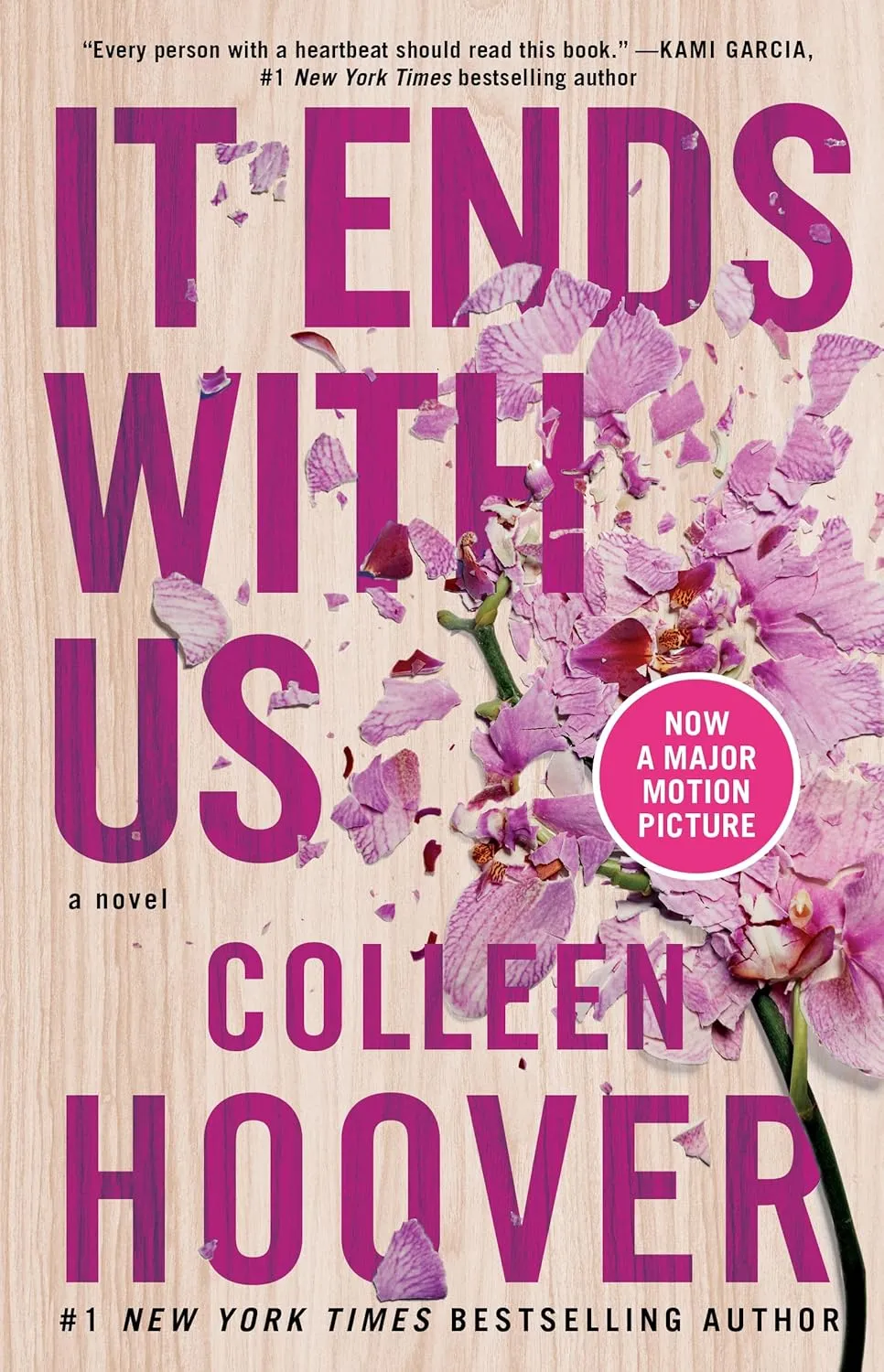
You finished It Ends With Us. You spent forty-five minutes sitting in your car in a parking lot before driving home, because the architecture of Lily’s choice at the end of the book did not let you immediately put it away and resume your life. You either loved the way Hoover handles the cycle-breaking moment or you found it complicated by what we know now about Colleen Hoover — either way, the structural problem is the same. You are looking for the next emotional heavy MF contemporary that earns its weight. The BookTok trauma-substrate shelf is enormous; the part of it that actually delivers on the architecture is smaller than it looks.
What makes It Ends With Us land structurally isn’t the cycle-breaking ending. It’s the architecture underneath: a heroine carrying generational trauma she has spent her entire adult life refusing to look at directly, a love interest whose competence and tenderness function as the structural counterweight to her family history, a first-love who returns as an adult with the specific texture of someone who has known her since before the worst things happened, and Hoover’s particular gift for making the slow recognition that the relationship is not actually safe land as the structural pivot rather than as a plot twist. The emotional contemporary shelf has more titles that hit that exact architecture — some Lucy Score blue-collar small-town, some Emily Henry banter-with-grief-substrate, some indie KU that engages the recovery work the trad-pub mass-market shelf restrains.
Ten reads below: five trad-pub Lucy Score, Emily Henry, and Abby Jimenez comps that anchor the BookTok emotional contemporary shelf, then five indie KU emotional reads from Fractal Enigma — spread across five pen names hitting the recovery, hurt/comfort, and survivor architecture from MF, MM, and FF angles. The trad-pub picks are priced individually on Amazon; the indie picks are free with a Kindle Unlimited subscription.

What Makes a Great It Ends With Us Readalike
The structural criteria that separate “sad book with romance in it” from “actually a great It Ends With Us readalike”:
- Trauma as load-bearing architecture rather than backstory — the wound the protagonist is carrying isn’t decoration, it’s the structural reason every scene exists. The recovery work has to be on the page, not gestured at.
- A protagonist whose competence is visible underneath the wound — Lily runs a flower shop. The book takes her work seriously. The heroine isn’t waiting to be saved; she’s carrying the architecture of her own life and the relationship has to fit alongside that, not replace it.
- A love interest whose tenderness is structurally specific — not generic protective-alpha bluster, but the careful patient attention of somebody who has noticed something other people missed and refuses to look away from it.
- A slow corruption of “this is the safe one” or “this is the dangerous one” — the trope rewards moral complexity. The right relationship is rarely the obvious one; the wrong relationship is rarely without its own architecture.
- An ending that earns the cost of the journey — HEA is preferred, HFN acceptable, but the resolution has to feel like it landed on the right side of the cost the architecture has been racking up.
Each pick below hits at least four of those five. The indie KU picks lift the on-page heat ceiling past where the trad-pub mass-market emotional shelf calibrates.
5 Trad-Pub Books Like It Ends With Us
The BookTok emotional contemporary shelf, ranked by how directly the comp lands on It Ends With Us’s specific trauma-substrate architecture. Lucy Score’s Knockemout series anchors the small-town blue-collar register; Emily Henry’s Beach Read covers the grief-substrate banter-contemporary lane; Abby Jimenez covers the emotional contemporary register with family-pressure architecture. All five available on Amazon at standard trad-pub pricing.
1. Things We Hide From the Light — Lucy Score
Knockemout Book Two and the most-recommended Lucy Score successor to Things We Never Got Over for readers who came in for the small-town blue-collar emotional architecture. Nash Morgan is the Knockemout police chief recovering from being shot in the line of duty; Lina Solavita is the slick, secretive insurance investigator who blows into town under a cover story and immediately becomes the structural complication Nash’s recovery did not need. Score runs the recovery-meets-secret-architecture dynamic through the gap between Nash’s careful PTSD-shaped daily routine and the woman whose presence requires him to be someone other than the careful invalid his town has been treating him as.
Where It Ends With Us runs the trauma-substrate architecture through Lily’s family history and Ryle’s escalating volatility, Things We Hide From the Light runs it through Nash’s bullet wound and Lina’s professional cover — same structural patience, the wounds are different, the on-page recovery work is the engine. Mid-tier mainstream BookTok heat. Get Things We Hide From the Light on Amazon →
2. Things We Left Behind — Lucy Score
Knockemout Book Three and Score’s pivot into the heaviest emotional register of the trilogy. Lucian Rollins has spent his entire adult life running from the small-town father who broke him; Sloane Walton is the librarian he has loved since childhood and refused to let himself touch. The structural engine is the gap between Lucian’s careful, controlled, structurally-isolated adult competence and the woman whose existence requires him to confront the architecture of a childhood he has spent twenty years refusing to look at directly.
Things We Left Behind runs the closest structural shape to It Ends With Us inside Score’s catalog — the generational trauma architecture, the protagonist whose competence is the structural cover for the wound underneath, the first-love-returns-as-adult dynamic with the specific texture of someone who has known the protagonist since before. For It Ends With Us readers who want the same emotional architecture with a different specific wound and the heat at the upper-mainstream calibration. Get Things We Left Behind on Amazon →
3. Beach Read — Emily Henry
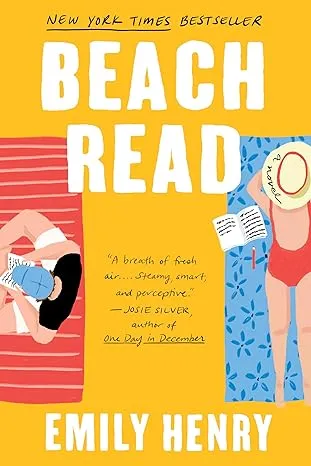
Henry’s debut and the most-recommended trad-pub comp for It Ends With Us readers who came for the grief-substrate architecture rather than the small-town blue-collar lane. January Andrews has inherited a beach house from the father who spent her childhood lying to her about a parallel life; she’s blocked on her career, broke, and structurally unwilling to enter the house alone. Augustus Everett is the literary fiction writer renting the house next door, with his own structurally specific grief, and Henry runs the slow corruption of two people trying not to drown in their respective inheritances through the careful patient banter that does the load-bearing work.
Beach Read is the Henry entry for It Ends With Us readers who want the emotional-weight register at Henry’s more restrained on-page heat ceiling. Same trauma-substrate-with-banter-on-top architecture; the wounds are about parental loss rather than partner violence, the recovery is the engine. Get Beach Read on Amazon →
4. Just for the Summer — Abby Jimenez
The Jimenez entry. Justin and Emma have the same Reddit-famous curse: anyone they date breaks up with them and immediately meets their soulmate next. The structural logic suggests they have to break each other’s curses by dating long enough to graduate to the actual soulmates waiting on the other side. Then Jimenez runs the trope at the emotional register her catalog is famous for — Emma’s mother is structurally unstable in ways that have shaped Emma’s entire adult life, Justin is raising siblings who shouldn’t be his responsibility, and the curse premise turns out to be the structural cover for the family-caretaking architecture both of them have been carrying for years.
Just for the Summer is the Jimenez entry for It Ends With Us readers who want the heavy family-substrate architecture without the partner-violence specific wound. Same patient on-page emotional work, different specific wound, same upper-mainstream Jimenez heat calibration. Get Just for the Summer on Amazon →
5. Part of Your World — Abby Jimenez
Jimenez’s small-town pivot and the emotional contemporary entry for It Ends With Us readers who want the class-pressure architecture running underneath the romance. Alexis is a thirty-seven-year-old ER doctor from a family of high-powered surgeons whose entire adult life has been structurally organised around fulfilling expectations she didn’t choose; Daniel is a thirty-year-old carpenter and small-town mayor whose uncomplicated devotion is the structural counterweight to her family’s careful refusal to take him seriously. The class-gap architecture is the engine; the slow corruption of Alexis’s careful performance into the recognition that the life she’s been performing is not the life she actually wants is the load-bearing work.
Part of Your World runs the closest Jimenez shape to It Ends With Us’s class-and-family-pressure architecture — Lily’s family architecture, Alexis’s family architecture, different specifics, identical structural shape. Same Jimenez voice, same patient on-page payoff. Get Part of Your World on Amazon →

Where Indie KU Lifts the Emotional Heat Ceiling
The trad-pub emotional contemporary shelf above is calibrated to the BookTok mass-market register. Hoover’s heat lands deliberately mid-tier (the trauma is the engine; the on-page heat is restrained for it), Score and Henry calibrate the same way, Jimenez sits slightly above. The dynamics are real, the recovery architecture is intact, the door closes deliberately at the structural pivot points the mass-market emotional shelf has been calibrated for.
The indie Kindle Unlimited emotional shelf doesn’t have those constraints. The trauma-substrate stays load-bearing, the hurt/comfort architecture stays patient, but the on-page work engages the recovery the trope has been promising at the register the long architectural patience has earned. The protagonist’s competence is on the page. The wound is on the page. The recovery is on the page. The heat is on the page.
Five indie KU emotional reads below, from five different Fractal Enigma pen names, hitting the trauma-substrate and hurt/comfort architecture across MF, MM, and FF pairings. All five free with Kindle Unlimited; the individual book page for each title lists current retailers and content warnings.
5 Indie KU Emotional Reads from Fractal Enigma
6. Grounded — Isla Wilde (MF Recovery + Women’s Shelter)
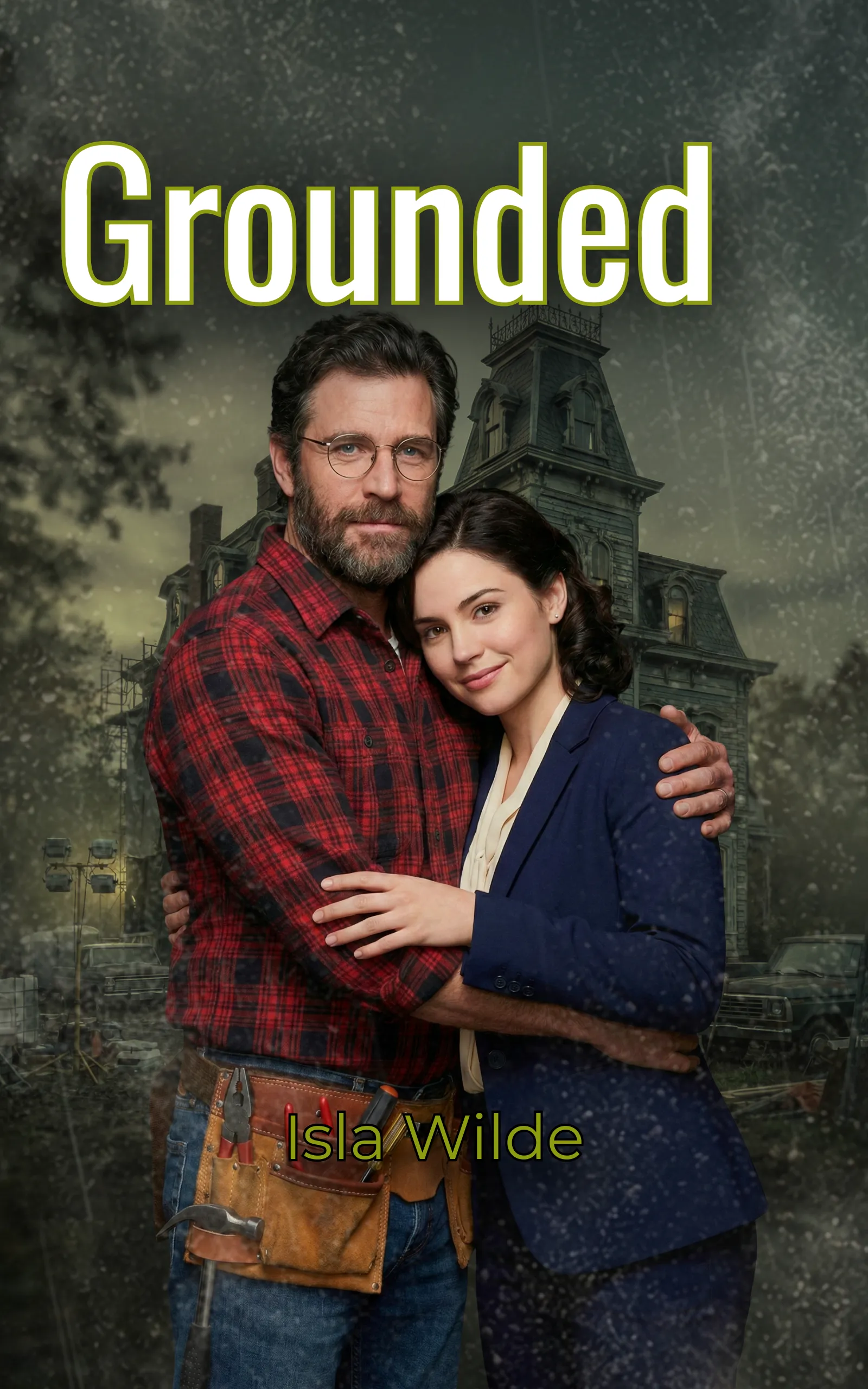
The closest direct comp to It Ends With Us’s specific recovery architecture on this list. Sloane Winters used to be a VP of finance. Now she’s a disgraced fraud suspect hiding at a women’s shelter, fixing leaky drains and trying to remember who she was before someone destroyed her life with a lie. The structural engine of the book is the gap between Sloane’s careful, methodical rebuilding of a life she lost overnight and the data-obsessed electrician who has been quietly building a wall of evidence proving the lie was a lie — for fourteen months, in his apartment, without ever telling her.
Where It Ends With Us runs the survivor architecture through Lily’s escape from Ryle and her recognition that Atlas has been carrying the truth about her the whole time, Grounded runs it through Sloane’s escape from a corporate fraud setup and her recognition that an electrician she met once at a charity event has been fighting for her for over a year. Isla Wilde runs the dynamic at the indie KU inferno register — the hurt/comfort architecture stays patient, the recovery work is on the page, the he-falls-first protector dynamic engages the on-page heat the trad-pub mass-market emotional shelf restrains. Read chapter one free →
7. The Rancher’s Vow — Milo Hart (MM Single Dad + Broken Artist)
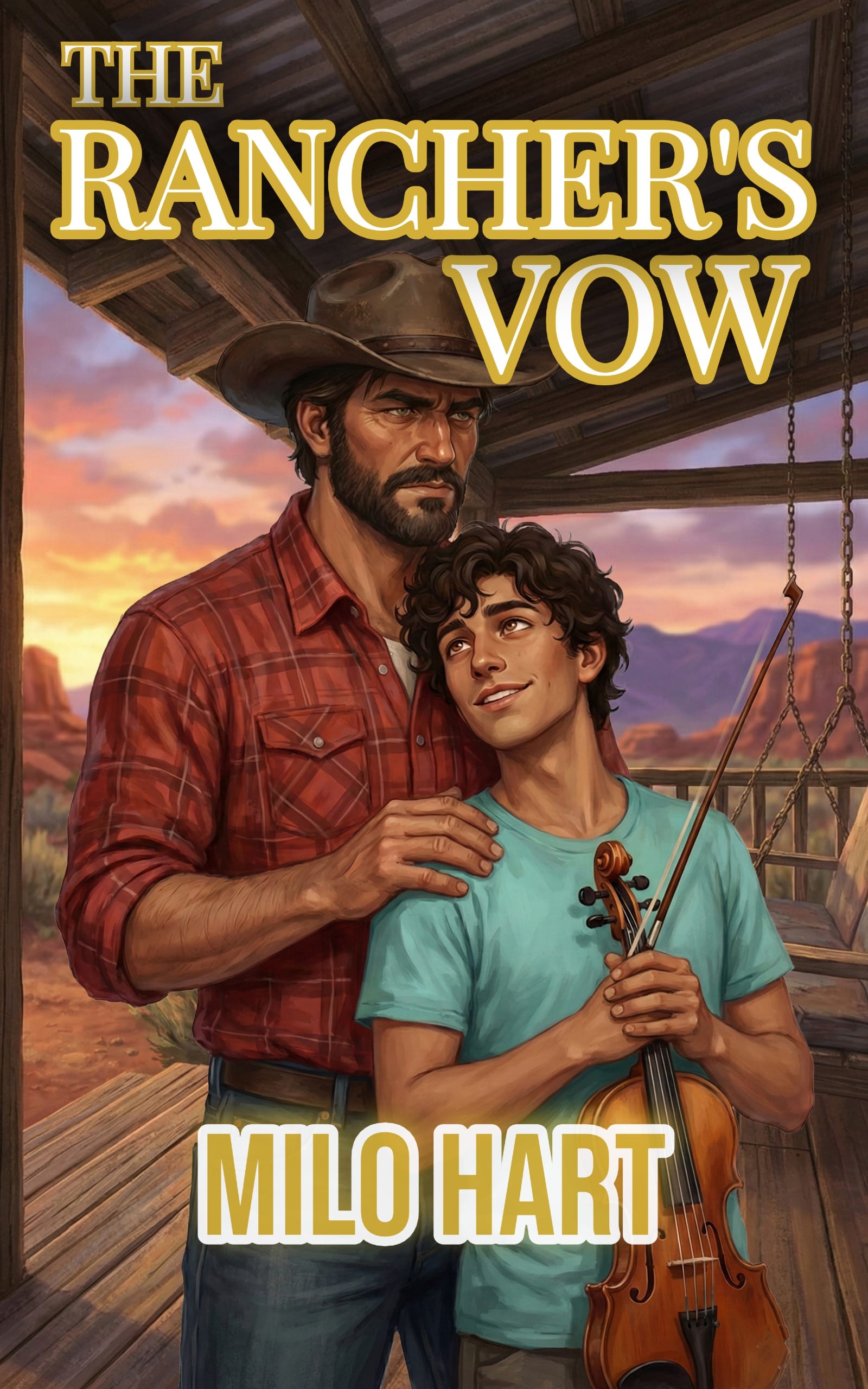
The MM entry on this list and the recommendation for readers who came to It Ends With Us for the broken-artist-meets-careful-protector architecture. Beau Hartley is a widowed rancher raising his deaf daughter alone; he has three rules — run the ranch, raise his daughter, keep his heart locked tighter than a workshop door. Luca Moretti was a violin prodigy until the career-ending injury ruined his hands; he shows up at the ranch during a thunderstorm looking for work he is structurally no longer qualified to do. The two of them have nothing in common except the wound each of them has spent years not letting anyone touch.
Milo Hart runs the emotional MM register at the structural extreme — the broken-artist architecture, the grief-substrate of the widower-with-child, the slow careful corruption of mutual non-involvement into the recognition both men have been waiting for. Scorching heat with the on-page work the patient architecture earns. For It Ends With Us readers who want the same emotional-weight register in a queer pairing with the heat ceiling lifted past the trad-pub mass-market level. Read chapter one free →

8. Her Name on My Lease — Aurora North (FF Toxic-Relationship Recovery)
The FF sapphic entry on this list and the closest direct comp to It Ends With Us’s leaving-the-toxic-relationship architecture. Marin Vega is twenty-eight, tattooed, and freshly destroyed. Two years with Sloane taught her that love is a weapon, vulnerability is a trap, and the only safe place for desire is inside a sketchbook no one will ever see. She needs a roommate. The Brooklyn apartment listing is supposed to be a structurally clean transaction. The woman who answers the door changes the architecture of everything Marin has spent two years convincing herself she will never want again.
Aurora North runs the toxic-relationship-recovery architecture in FF with the structural patience the trope demands — the careful slow rebuilding of the protagonist’s capacity to be seen, the queer awakening that arrives as a structural shock to the heroine herself, the on-page hurt/comfort work that engages the recovery the dynamic has been promising. Inferno heat at the indie KU register. For It Ends With Us readers who came for Lily’s recognition of what love is supposed to be after Ryle and want the FF sapphic variant with the heat past the trad-pub ceiling, this is the title. Read chapter one free →
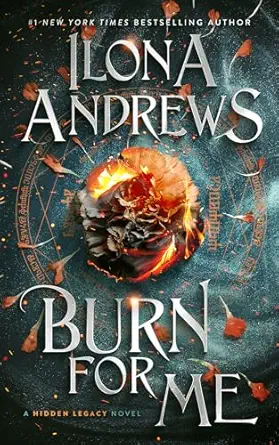
9. Burn for Me — Cassie Hart (MF Single Dad + Grief Recovery)
The single-dad emotional entry. Ethan Cole doesn’t need help. He’s fine. Sure, his cabin is a disaster, he hasn’t slept in weeks, and his nine-month-old daughter won’t stop crying — but he’s handling it. The structural engine of the book is the gap between Ethan’s careful, structurally-defended grief in the months after his wife’s death and the woman whose competent presence in his cabin forces him to confront the architecture he has been refusing to look at directly. Chloe Reyes is the nanny who shows up in a rainstorm, sent by his meddling sister, with every intention of being structurally useful and no intention of being structurally seen.
Where It Ends With Us runs the trauma-substrate architecture through Lily’s family history, Burn for Me runs it through Ethan’s grief and the careful work of rebuilding a life around a daughter he is structurally still grieving the loss of her mother to raise alone. Cassie Hart writes the dynamic at the indie KU inferno register with the protector-romance and praise-kink architecture the patient emotional setup earns. Read chapter one free →
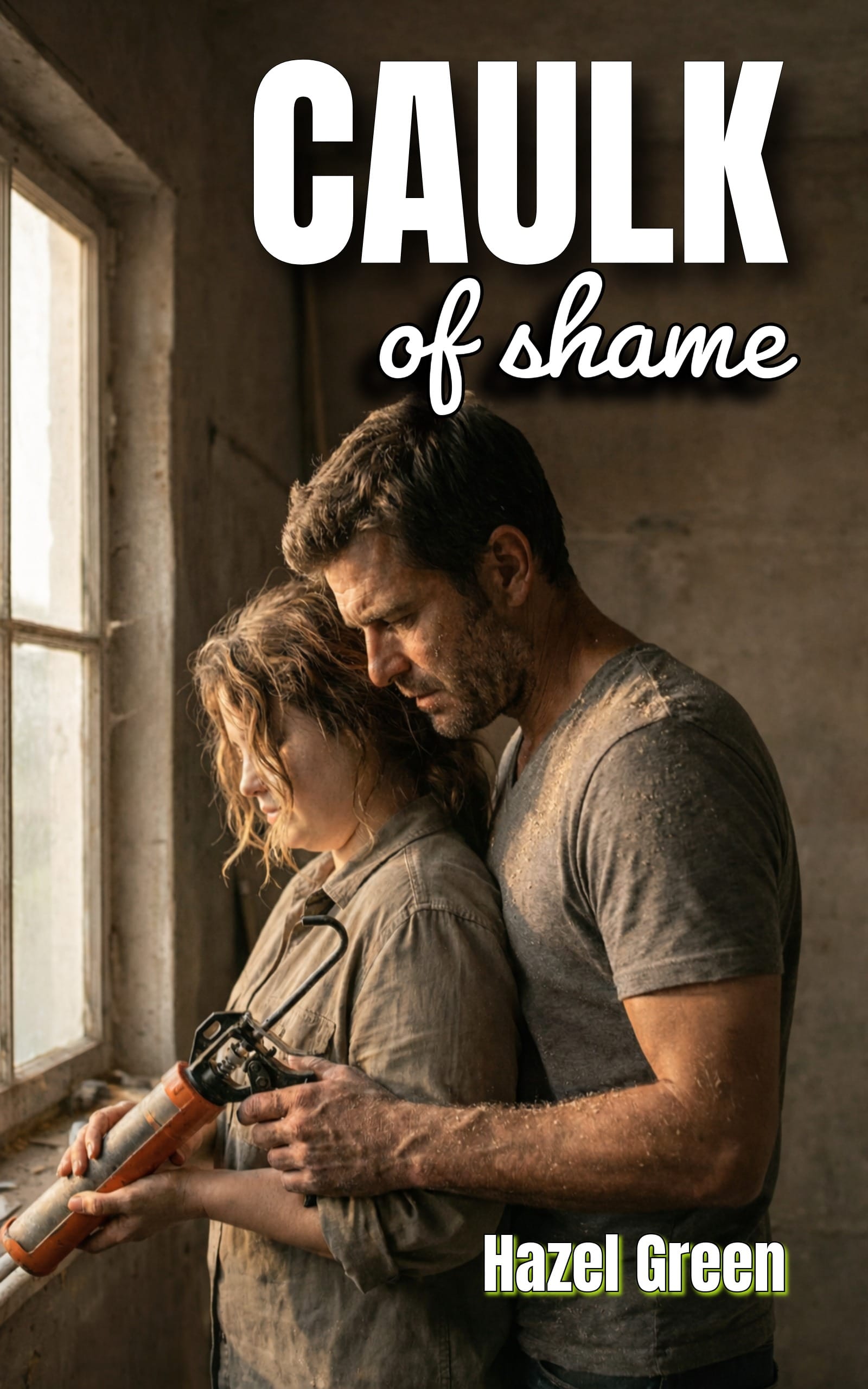
10. Caulk of Shame — Hazel Green (MF Running-From-Things Recovery)
The chaos-heroine entry. The narrator has a history of running away from things that get hard — her PhD program, her last relationship, both abandoned at the first sign of structural difficulty. She inherits a crumbling Victorian in Oak Creek, Oregon, with the structural intention of fixing it just enough to sell it and leave. Gage Miller is the contractor who refuses to let her run from this one too. The renovation is the structural metaphor: every load-bearing wall the narrator has been refusing to look at gets exposed when the house gets opened up, and Gage’s careful, methodical, he-falls-first attention is the architecture that makes staying through it possible.
Where It Ends With Us runs the cycle-breaking architecture through Lily’s recognition of what her mother stayed for, Caulk of Shame runs the cycle-breaking architecture through the narrator’s slow refusal to repeat the running-pattern she has structurally been escaping into for her entire adult life. Hazel Green writes the emotional rebuilding at the indie KU high heat register with the renovation metaphor doing the load-bearing work alongside the relationship. Read chapter one free →

Frequently Asked Questions
What book is most like It Ends With Us?
For trad-pub: Things We Left Behind by Lucy Score (Knockemout book three) is the closest direct comp inside the BookTok small-town blue-collar lane — generational-trauma architecture, first-love-returns-as-adult, the protagonist whose adult competence is the cover for the childhood wound. For Emily Henry voice: Beach Read covers the grief-substrate adjacency. For indie KU at the inferno register: Grounded by Isla Wilde runs the closest structural comp — survivor heroine, recovery architecture, women’s shelter setting, he-falls-first protector dynamic with the heat ceiling lifted past the trad-pub mass-market level.
Are Lucy Score’s books on Kindle Unlimited?
The Knockemout series (Things We Never Got Over, Things We Hide From the Light, Things We Left Behind) is generally NOT on Kindle Unlimited — these are trad-pub releases at standard pricing. Some of Score’s older catalog has rotated through KU intermittently; the individual book page is the canonical source for current availability. The five indie KU picks from Fractal Enigma above (Grounded, The Rancher’s Vow, Her Name on My Lease, Burn for Me, Caulk of Shame) are all free with a Kindle Unlimited subscription.
Are there books like It Ends With Us with happy endings?
It Ends With Us has a structurally complicated ending — HFN for Lily with implications for the future; the sequel It Starts With Us resolves the Atlas arc with HEA. Readers who want the same trauma-substrate architecture with a confirmed HEA in a single volume should look at the indie KU picks above. Grounded (Isla Wilde), The Rancher’s Vow (Milo Hart), Her Name on My Lease (Aurora North), Burn for Me (Cassie Hart), and Caulk of Shame (Hazel Green) all close with confirmed HEAs without the deferred-resolution architecture Hoover uses.
Should I read It Starts With Us after It Ends With Us?
It Starts With Us is the structural sequel to It Ends With Us and resolves the Lily-Atlas arc with the HEA the first book deferred. Readers who finished It Ends With Us and want the resolution of Atlas’s storyline should read It Starts With Us next. Readers who finished both and want the next emotional contemporary recovery read should work through the trad-pub and indie KU picks above — Score’s Knockemout series is the closest trad-pub successor; Grounded by Isla Wilde is the closest indie KU comp.
Are there MM or FF books like It Ends With Us?
The trad-pub MM and FF emotional-trauma-substrate shelf at It Ends With Us’s specific architecture is small — the lane has been heavily MF-defaulted historically. Indie KU has filled both gaps. For MM emotional with broken-artist + single-dad architecture: The Rancher’s Vow by Milo Hart (widowed rancher + violinist with career-ending injury). For FF sapphic toxic-relationship recovery: Her Name on My Lease by Aurora North (tattooed artist freshly out of two-year toxic relationship + Brooklyn roommate with queer awakening). Both run the emotional architecture at the indie KU inferno register.
Where do It Ends With Us readers go next?
For trad-pub: Lucy Score’s Knockemout series (Things We Never Got Over, Things We Hide From the Light, Things We Left Behind) is the closest direct successor — small-town blue-collar emotional contemporary with trauma-substrate architecture. Abby Jimenez’s catalog covers the family-pressure-emotional adjacency. Emily Henry’s Beach Read for the grief-substrate banter register. For indie KU at the inferno register: Isla Wilde‘s Grounded and the wider Blueprint Series, Aurora North‘s emotional sapphic catalog, and Milo Hart‘s emotional MM catalog are the closest indie comps.
This post contains Amazon affiliate links. As an Amazon Associate, Fractal Enigma earns from qualifying purchases at no extra cost to you. The five Fractal Enigma titles link to their book pages on this site where you can read the first chapter free.
Looking for more emotional contemporary romance recommendations? The newsletter sends new indie KU releases, bonus chapters, and reader-only giveaways straight to your inbox. 💕
The form you have selected does not exist.